Pine Nuts — health benefits and uses
Healthy fats, minerals, and texture; small-amount high-leverage add-in
The Short Answer
Pine nuts are nutrient-dense seeds providing 19 grams of heart-healthy fats and 17% of the Daily Value for Vitamin E and Magnesium per ounce. They are best known for containing pinolenic acid, a rare fatty acid that may help regulate appetite hormones.

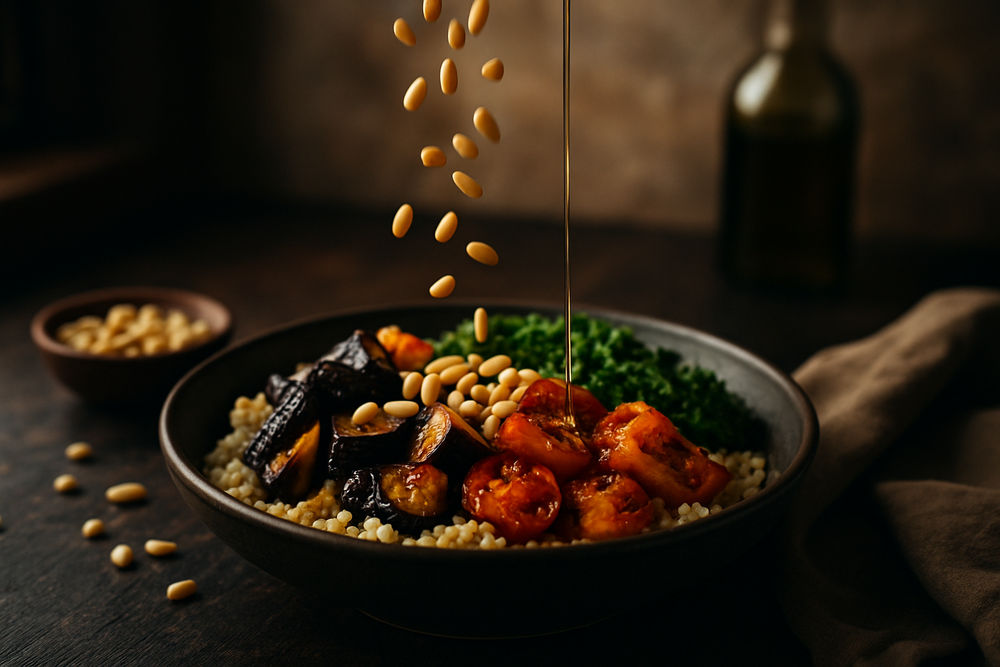
Pine Nuts · Photograph
Pine nuts are the edible seeds of various pine tree species (Pinus spp.), prized for their delicate, buttery flavor and impressive nutrient density. Despite their name, these creamy kernels are technically seeds rather than true nuts, making them a unique addition to the world of plant-based nutrition.
Key Nutrients
% Daily Value based on 2,000 cal diet
Key active compounds in pine nuts
Pine nuts contain several bioactive compounds that contribute to their potential health effects:
- Pinolenic acid - A rare omega-6 fatty acid that may help regulate appetite hormones like CCK and GLP-1
- Polyunsaturated fatty acids (PUFAs) - Including linoleic acid and small amounts of alpha-linolenic acid for cellular health
- Monounsaturated fatty acids (MUFAs) - Particularly oleic acid, linked to cardiovascular benefits
- Vitamin E (tocopherols) - Fat-soluble antioxidants that protect cell membranes
- Plant sterols - Compounds that may help lower cholesterol absorption
- Phenolic compounds - Antioxidants that support cellular protection
Are pine nuts good for your health? Key benefits explained
Heart and circulation
Pine nuts benefits for heart health come primarily from their impressive unsaturated fat profile. Research on nuts and seeds collectively shows that consuming about 1 ounce daily is associated with lower risks of coronary heart disease and improved blood lipid profiles.
Pine nuts provide approximately 19g of mostly heart-healthy fats per serving, with only 1.4g saturated fat. Their magnesium content supports healthy blood pressure, while vitamin E acts as an antioxidant to protect blood vessels from oxidative damage. The plant sterols naturally present may also help reduce cholesterol absorption.
Blood sugar and metabolism
While specific studies on whole pine nuts and diabetes are limited, research suggests these seeds may support blood sugar balance through several mechanisms. Their low carbohydrate content (under 4g per serving) combined with protein and healthy fats can help slow glucose absorption when eaten with carbohydrate-rich meals.
Small studies using concentrated pine nut oil have shown promising effects on metabolic markers, likely due to pinolenic acid's influence on gut hormones that regulate blood sugar. However, these benefits shouldn't be overstated—pine nuts work best as part of an overall balanced approach to blood sugar management.
Inflammation and recovery
The combination of vitamin E, polyunsaturated fats, and other antioxidants in pine nuts may contribute to reduced inflammation when they replace more inflammatory foods in the diet. Research on pinolenic acid specifically suggests anti-inflammatory properties, though most studies use concentrated oils rather than whole food servings.
Pine nuts can be part of an anti-inflammatory eating pattern, particularly when used in Mediterranean-style dishes alongside vegetables, whole grains, and olive oil.
Digestive health and microbiome
While pine nuts contain only modest amounts of fiber (1.1g per ounce), they can support digestive health indirectly by providing sustained energy and helping stabilize blood sugar between meals. The healthy fats may also support absorption of fat-soluble vitamins from other foods eaten at the same meal.
Some individuals may experience digestive sensitivity to large amounts due to the high fat content, so starting with smaller portions is wise.
Buying guide: Choosing quality pine nuts
Pine nuts are among the pricier nuts and seeds, so quality matters:
Fresh vs. stored: Look for plump, uniform kernels with a creamy white to pale yellow color. Avoid any with dark spots, which may indicate rancidity.
Source matters: European pine nuts (from stone pines) and Asian varieties differ slightly in flavor and fatty acid profiles. Both are nutritious, but some people prefer the milder taste of European types.
Packaging: Buy from suppliers with high turnover and proper storage. Pine nuts should smell sweet and nutty, not sour or bitter.
Storage: Due to their high oil content, pine nuts can go rancid quickly. Store in airtight containers in the refrigerator for up to 3 months or freeze for up to 6 months.
Bulk vs. small packages: Unless you use them frequently, smaller packages may be more economical to prevent waste from spoilage.
Prep and pairing ideas
Pine nuts shine when paired with complementary flavors and nutrients:
With leafy greens: Sprinkle toasted pine nuts over spinach, arugula, or mixed green salads. The vitamin C in greens enhances iron absorption from pine nuts.
In grain dishes: Add to quinoa, wild rice, or farro bowls along with roasted vegetables for a complete amino acid profile.
Mediterranean combinations: Classic pesto pairs pine nuts with basil and olive oil. Try them in pasta dishes with sun-dried tomatoes and fresh herbs.
Sweet applications: Lightly toasted pine nuts work beautifully in fruit salads, especially with pears or citrus fruits.
Protein pairing: Combine with legumes or seeds to create complete protein profiles in plant-based meals.
Common pairings that boost nutrition
Pine nuts + spinach + lemon: The vitamin C in lemon juice enhances iron absorption from both the pine nuts and spinach, while the healthy fats help absorb fat-soluble vitamins.
Pine nuts + tomatoes + basil: This classic combination provides lycopene from tomatoes (better absorbed with fats), antioxidants from basil, and sustained energy from pine nuts' protein and healthy fats.
Pine nuts + whole grains + olive oil: Together, these provide complete proteins, heart-healthy fats, and sustained energy. The combination supports stable blood sugar and cardiovascular health.
Bottom line on pine nuts
Pine nuts offer an impressive concentration of minerals, healthy fats, and unique compounds like pinolenic acid that may support heart health, blood sugar balance, and overall wellness. While they're calorie-dense, their nutrient profile makes them a valuable addition to plant-forward eating patterns.
The key is moderation—a small daily serving provides meaningful nutrition without excess calories. Choose high-quality, properly stored pine nuts, and use them to enhance rather than dominate your meals. They work particularly well in Mediterranean-style cooking, where their healthy fats complement vegetables, whole grains, and herbs.
For most people, pine nuts are a safe, nutritious choice that can help meet mineral needs often lacking in modern diets. Just be aware of potential allergies and the distinctive "pine mouth" phenomenon that affects some individuals.
How Pine Nuts Compares
| Compared with | What's different |
|---|---|
| Pine Nuts vs. Slivered Almonds | Significantly larger, crunchier, and higher in fiber with a less oily texture. |
| Pine Nuts vs. Sunflower Seeds | More buttery and tender with a unique metallic-sweet aftertaste. |
Health Benefits
Things to Know
Allergy considerations: Pine nuts can trigger reactions in people with tree nut allergies, though they're technically seeds. Those with pine pollen allergies should also exercise caution. Always introduce new foods gradually if you have a history of food allergies.
Pine mouth syndrome: Some people experience a bitter, metallic taste 1-2 days after eating certain batches of pine nuts, lasting up to several weeks. This "pine mouth" isn't dangerous but can be unpleasant. It's more common with certain processing methods and storage conditions.
Medication interactions: Pine nuts contain vitamin K, so people on blood thinners should maintain consistent intake rather than dramatically increasing consumption. The healthy fats may also slow medication absorption timing, though this is rarely clinically significant.
Calorie density: At 191 calories per ounce, pine nuts are energy-dense. While this makes them nutritionally efficient, portion control is important for weight management.
Digestive sensitivity: Some people experience mild digestive upset from large amounts due to the high fat content. Start with small portions (1-2 teaspoons) if you're sensitive to high-fat foods.
Shop This Ingredient
Stock your pantry with quality pine nuts.
Buy on AmazonAs an Amazon Associate, Plantopedia earns from qualifying purchases. This costs you nothing extra and helps us keep the encyclopedia free.
Frequently Asked Questions
The healthiest approach is eating whole, raw pine nuts or lightly toasted varieties. Raw pine nuts retain all their heat-sensitive nutrients, while light toasting enhances flavor without significantly degrading nutritional value. Whole raw pine nuts offer the complete package of nutrients in their natural form. They work well sprinkled over salads, stirred into grain bowls, or eaten as a snack. Lightly toasted pine nuts develop a richer, nuttier flavor and are commonly used in pesto, pasta dishes, and Mediterranean cooking. The brief heat exposure doesn't substantially impact their nutritional profile. Pine nut butter or paste maintains most nutrients but makes portion control more challenging due to its concentrated nature. Pine nut oil, while used in some research studies, is more of a supplement than a whole food and doesn't provide the protein, fiber, and full mineral profile of whole pine nuts.
For most adults, 1 ounce (28g) or about 2 tablespoons represents a healthy daily serving. This provides substantial nutrients without excessive calories. Start smaller if you're new to pine nuts or have digestive sensitivity—try 1-2 teaspoons (5-10g) initially. Active individuals or those with higher calorie needs might comfortably include up to 1.5 ounces daily as part of a balanced diet. Weight management focus: Stick to 1/2 to 1 ounce daily, using pine nuts to replace less nutritious snacks rather than adding them on top of your usual intake. Integration approach: Rather than eating pine nuts alone, incorporate them into meals where they enhance other foods' nutrition and satiety.
Quick Answers
Common questions, answered in a line.
Pine nuts are not true nuts; they are technically the edible seeds harvested from various species of pine trees. Despite their name and culinary use as nuts, their status as seeds makes them a unique element of plant-based nutrition.
Pine nuts contain pinolenic acid, a rare omega-6 fatty acid that may help regulate appetite by influencing gut hormones like CCK and GLP-1. These seeds also provide a combination of protein and healthy fats that can help sustain energy and stabilize blood sugar between meals.
Pine nuts support heart health through a high concentration of monounsaturated and polyunsaturated fats, which are associated with improved blood lipid profiles. They also contain magnesium to support healthy blood pressure and plant sterols that may help lower cholesterol absorption.
Pine nuts should be stored in an airtight container in the refrigerator for up to 3 months or in the freezer for up to 6 months. Because of their high oil content, they are prone to going rancid quickly if left at room temperature or exposed to air.
Pine mouth syndrome is a temporary condition where a bitter, metallic taste develops 1 to 2 days after eating pine nuts and can last for several weeks. While the phenomenon is unpleasant, it is not considered dangerous and is often linked to specific processing methods or storage conditions.
Pine nuts are low in carbohydrates and contain healthy fats and protein that can slow glucose absorption when eaten with other foods. Research on pinolenic acid, a compound found in pine nuts, also suggests a potential positive influence on gut hormones that regulate blood sugar.
To ensure pine nuts are fresh, look for plump, uniform kernels with a creamy white to pale yellow color and a sweet, nutty aroma. Avoid any seeds that have dark spots or a sour, bitter smell, as these are common indicators of rancidity.
For Readers in the USA
Local context — sourcing, seasonality, and regional notes.
In the United States, you can find pine nuts at major grocery chains like Whole Foods Market, Trader Joe's, Costco, and Kroger, usually in the baking or snack aisles. Specialized Italian grocers and health food cooperatives often carry premium European varieties, while Asian markets frequently stock more affordable Siberian or Chinese varieties.
Commercial pine nut harvesting in the U.S. primarily occurs in the Southwest (Nevada, Utah, New Mexico, and Arizona) during the late summer and early fall months. The Pinyon pine (Pinus edulis) is the most common American variety, and its harvest season typically peaks between September and late October.
American-grown pine nuts, often called 'piñóns' in the Southwest, are generally larger and have a more robust, buttery flavor compared to imported Asian varieties. While imported nuts from China or Russia are more common in US supermarkets due to lower costs, domestic Nevada or New Mexico piñóns are highly sought after by chefs for their superior culinary quality.
When buying pine nuts in the U.S., look for the USDA Organic seal to ensure they were produced without synthetic pesticides, and check the 'Product of' label to identify their country of origin. The FDA does not require a specific warning for 'Pine Mouth,' but buying from reputable US distributors with high turnover helps ensure freshness and reduces the risk of rancidity.
AI Clinical Review
- Pine nuts are nutrient-dense seeds rich in unsaturated fats, vitamin E, magnesium, and other minerals; the listed 1‑oz portion (~28 g) and calorie content are in a realistic range.
- Heart-health messaging aligns with strong evidence that regular nut and seed intake improves blood lipids and is linked with lower coronary heart disease risk; MUFAs/PUFAs and plant sterols are plausible contributors.
- The discussion of pinolenic acid and potential appetite/metabolic effects is appropriately cautious, noting that most data come from oil extracts.
- Practical guidance on forms (raw vs. lightly toasted), storage to prevent rancidity, and nutrient‑boosting pairings (e.g., vitamin C to enhance non‑heme iron absorption) is helpful.
- Most studies on pinolenic acid use concentrated pine nut oil; we have limited, small trials on whole pine nuts affecting hormones like CCK/GLP‑1, appetite, or glycemic control, so real‑world effect sizes remain uncertain.
- Cardiometabolic benefits are largely extrapolated from mixed “nuts and seeds” research; pine nut–specific randomized trials and long‑term outcome data are sparse.
- Anti‑inflammatory claims are plausible based on nutrient profile and food displacement, but direct biomarker evidence for whole pine nuts is limited.
- “Pine mouth” (transient bitter/metallic taste) is documented but uncommon; its exact cause and which supply chains pose risk are not fully defined.
- Portion: 1 oz (about 2 Tbsp) per day is a reasonable, nutrient‑dense serving; for weight management, ½–1 oz folded into meals helps with satiety while moderating calories.
- Allergies: Although botanically seeds, pine nuts can trigger reactions in people with tree‑nut allergies; anyone with known nut/pine pollen allergy should consult an allergist before trying.
- Medications: Pine nuts contain only modest vitamin K, but if you take warfarin or similar anticoagulants, keep intake consistent and coordinate with your clinician; the fat content can modestly delay absorption of some medicines.
- Storage and tolerance: Buy fresh from reputable sources and refrigerate/freeze to prevent rancidity; if you have gallbladder disease, fat malabsorption, or sensitive digestion, start with small amounts to gauge tolerance.
Mention allergy context where appropriate; keep serving size realistic.
References
- USDA FoodData Central - Pine nuts nutrition data (fdc.nal.usda.gov)
- International Tree Nut Council - Pine nuts nutrition facts (nuthealth.org)
- WebMD - Health benefits of pine nuts (webmd.com)
- Healthline - Pine nuts benefits according to science (healthline.com)
- Nutrients journal - Pine nuts and pinolenic acid review (pmc.ncbi.nlm.nih.gov)
- Harvard Health - Quick guide to nuts and seeds (health.harvard.edu)
- USDA MyPlate - Protein foods guidelines (myplate.gov)
- Harvard Nutrition Source - Protein recommendations (nutritionsource.hsph.harvard.edu)
Know Your Numbers
Eating healthy is a start. Now get to know your biomarkers.
Food changes bloodwork — inflammation, lipids, blood sugar and nutrient status all respond to what you eat. 59 markers from $59.
- Results in 7–10 days at 2,000+ Quest sites
- Licensed provider reviews every result
- One flat price, no membership, HSA/FSA eligible
Educational information only, not medical advice. Panels are ordered and reviewed through our licensed partner; Plantopedia may earn a commission.