Poppy Seed Oil — health benefits and uses
Traditionally pressed in Eastern Europe; the seeds themselves are calming folk fare.
The Short Answer
Poppy seed oil is a nutrient-dense finishing oil rich in linoleic acid and vitamin E, best known for its delicate nutty flavor and heart-healthy polyunsaturated fats.
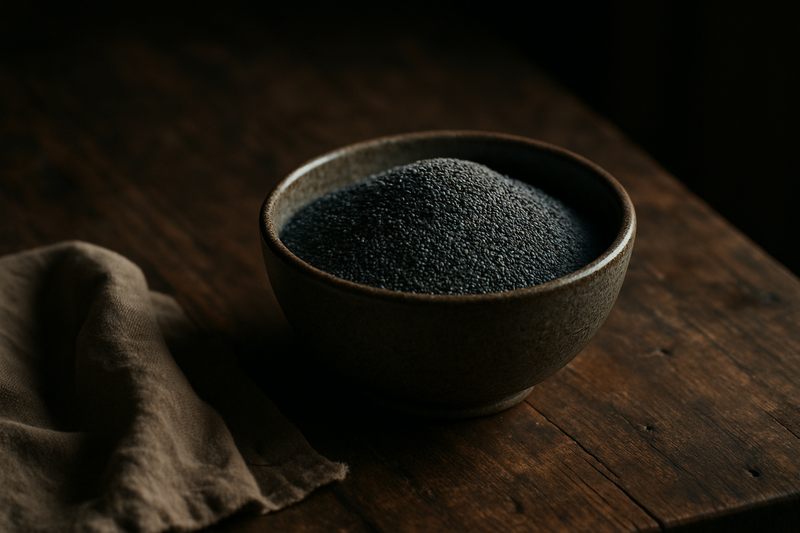
Poppy Seed Oil · Photograph
Discover poppy seed oil health benefits and uses, from its heart-friendly fatty acid profile and vitamin E content to safe, delicious ways to use cold-pressed poppy seed oil in salad dressings, Central European baking, and more.
Key Nutrients
% Daily Value based on 2,000 cal diet
Key active compounds
- Linoleic acid — An essential omega-6 polyunsaturated fatty acid (PUFA) making up roughly 65–75% of total fatty acids. "Essential" means your body cannot make it; you must get it from food. It supports cell membrane structure and, when it replaces saturated fat in the diet, is broadly associated with improved blood lipid profiles.
- Oleic acid — An omega-9 monounsaturated fatty acid (MUFA), about 13–21% of total fatty acids. Monounsaturated fats are more stable than PUFAs and are associated with healthier LDL (low-density lipoprotein, often called "bad" cholesterol) and HDL (high-density lipoprotein, "good" cholesterol) ratios in general dietary research.
- Palmitic acid — A saturated fatty acid at around 8–10% of the total. This is the lowest-concern saturated fat fraction, and at these levels the overall profile of the oil remains strongly unsaturated.
- Gamma-tocopherol — The predominant form of vitamin E in poppy seed oil, acting as a fat-soluble antioxidant that protects PUFAs from oxidative damage both in the bottle and inside your body.
- Phenolic compounds — Minor but measurable plant antioxidants present in cold-pressed oil at roughly 2.6–2.9 mg gallic acid equivalents per millilitre. These contribute additional free-radical scavenging activity, though evidence is currently based on laboratory (in vitro) assays rather than clinical trials.
Buying guide: what to look for on the label
Choosing a quality poppy seed oil is straightforward once you know what to look for.
- "Cold-pressed" or "expeller-pressed" — Confirms no solvent extraction and minimal heat.
- Dark glass bottle — PUFAs degrade quickly in light. Opaque or amber glass extends shelf life significantly.
- Harvest or best-before date — Fresher is better. Poppy seed oil typically has a shelf life of 8–12 months from pressing when stored properly. Buy in small quantities unless you use it regularly.
- Origin labelling — Central European producers (Hungary, Austria, Czech Republic) have a long tradition with this oil and often supply the most flavourful cold-pressed versions. Look for "Papaver somniferum" seed oil to confirm the species.
- Supplement vs. food — Poppy seed oil is primarily a culinary oil, not a capsule supplement. Stick with food-grade cold-pressed oil for best flavour and nutrient retention.
Prep and pairing ideas
Poppy seed oil is a finishing oil first and foremost. Here are three practical ways to use it:
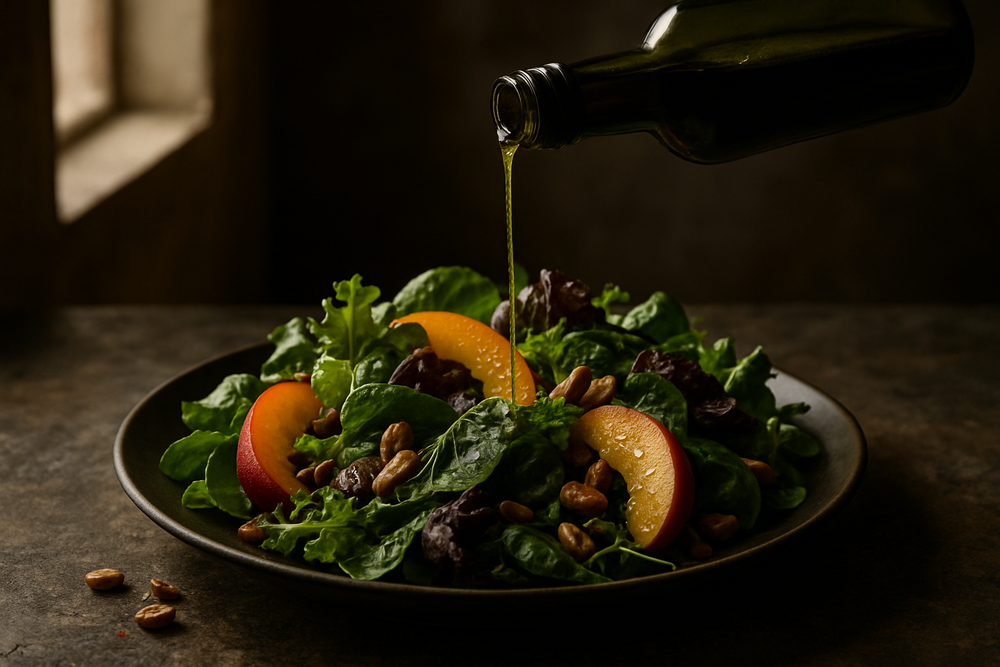
1. Classic vinaigrette Whisk 2 tablespoons of cold-pressed poppy seed oil with 1 tablespoon of apple cider vinegar, a teaspoon of Dijon mustard, and a pinch of sea salt. The nutty flavour pairs especially well with bitter greens like radicchio or endive, and with stone fruits like peaches or plums. The unsaturated fat in the dressing also helps your body absorb fat-soluble vitamins (A, D, E, K) from the salad vegetables.
2. Warm grain bowl drizzle Finish a bowl of cooked buckwheat, millet, or spelt with a generous drizzle of poppy seed oil just before serving. The residual warmth releases the aroma without overheating the oil. A pinch of smoked salt and a few toasted seeds complete the texture.
3. Central European pastry enrichment Traditional Hungarian mákos rétes (poppy seed strudel) and Czech kolache fillings often incorporate poppy seed oil or poppy seed paste. Substituting a teaspoon of cold-pressed poppy seed oil for a portion of butter in a pastry dough adds delicate flavour and shifts the fat profile toward unsaturated fats.
Bottom line
Poppy seed oil is a genuinely interesting culinary oil — not a superfood, but a well-composed one. Its linoleic- and oleic-dominant fatty acid profile fits a heart-healthy dietary pattern, it delivers modest antioxidant support through gamma-tocopherol and phenolics, and one human trial hints at potential benefits for joint pain in older adults. The evidence base is slim by the standards of, say, olive oil research, so any health framing should be proportionate.
Where it earns its place confidently is in the kitchen: as a cold-pressed finishing oil for salads, grain bowls, and Central European baking, it offers a flavour experience that few other seed oils can match. Keep it cold, use it fresh, balance it with omega-3 sources, and enjoy it as part of a varied, whole-food diet.
How Poppy Seed Oil Compares
| Compared with | What's different |
|---|---|
| Poppy Seed Oil vs. Olive Oil | Poppy seed oil is significantly higher in linoleic acid, while olive oil is mostly oleic acid. |
| Poppy Seed Oil vs. Grapeseed Oil | Poppy seed oil has a distinct nutty, floral aroma compared to the neutral flavor of grapeseed. |
Health Benefits
Things to Know
Calorie density: — At 120 calories per tablespoon, poppy seed oil is as energy-dense as any other oil. If you are actively managing calorie intake, account for it as you would olive oil.
Omega-6 to omega-3 ratio: — Poppy seed oil is very high in omega-6 (linoleic acid) and contains virtually no omega-3 fatty acids. A diet heavily skewed toward omega-6 without balancing omega-3 sources (flaxseed, chia, walnuts, fatty fish) may support a pro-inflammatory environment. Use poppy seed oil alongside, not instead of, omega-3-rich foods.
Seed allergy: — People with known poppy seed or multi-nut/seed allergy should approach unrefined oil with caution; trace seed proteins may be present in cold-pressed oils.
Opiates and drug testing: — Culinary poppy seed oil from properly cleaned seeds does not contain clinically relevant opiate alkaloids. It is not expected to cause psychoactive effects or trigger a positive result on standard opioid drug screenings. If you have specific concerns, consult the product manufacturer or your clinician.
Medication interactions: — No specific well-documented drug interactions have been identified for culinary poppy seed oil. As with all high-fat foods, consuming large amounts alongside oral medications could theoretically affect absorption of highly lipophilic (fat-soluble) drugs. People on lipid-lowering medications should factor it into their overall dietary fat pattern and check with their prescriber.
Pregnancy and breastfeeding: — No specific safety data exist for poppy seed oil beyond normal culinary use. Used as a food ingredient in normal amounts, it is generally considered low risk, but confirm with your midwife or obstetrician.
Storage: — Once opened, store in a cool, dark cupboard or refrigerator. Discard if it smells sour, bitter, or like old crayons — that is rancidity (oxidative breakdown of fats), which reduces both flavour and nutritional value.
Glossary
Shop This Ingredient
Stock your pantry with quality poppy seed oil.
Buy on AmazonAs an Amazon Associate, Plantopedia earns from qualifying purchases. This costs you nothing extra and helps us keep the encyclopedia free.
Frequently Asked Questions
Heart and circulation Direct cardiovascular outcome trials using poppy seed oil specifically have not been conducted. What researchers do have is a detailed compositional picture: the oil is low in saturated fat and rich in linoleic and oleic acids — the same fatty acid pattern seen in sunflower, safflower, and other oils that the broader cardiovascular nutrition literature consistently links to improved LDL cholesterol and reduced cardiovascular risk when they replace saturated fats. The inference is reasonable, but it is fair to say the evidence is extrapolated rather than poppy-specific. If you are already using seed oils as part of a heart-healthy diet, poppy seed oil fits that framework naturally. Digestive health and microbiome No clinical studies have directly tested poppy seed oil for digestive outcomes such as bowel regularity, IBS (irritable bowel syndrome) symptoms, or changes to gut bacteria. As a near-pure fat with no fibre or fermentable carbohydrates, it is unlikely to have a strong direct effect on the microbiome. That said, including unsaturated-fat-rich oils as part of a varied, plant-forward diet is consistent with overall gut health recommendations. It is best described as a well-tolerated, easily digestible fat rather than a gut-targeted intervention. Blood sugar and metabolism Poppy seed oil contains essentially zero carbohydrates, which means it has no direct effect on blood glucose (blood sugar) levels. Like all dietary fats, it slows gastric emptying (how quickly food leaves your stomach), which can blunt the glucose spike from a mixed meal — but this is a property of dietary fat in general, not something unique to poppy seed oil. No trials specifically testing it for diabetes management or insulin sensitivity have been published. Inflammation and recovery The most clinically interesting piece of evidence for poppy seed oil comes from a controlled trial in older adults with knee osteoarthritis. Participants who consumed poppy seed oil — either alone or alongside an education programme built on social cognitive theory — reported reduced pain severity and improved pain self-efficacy (a person's belief in their own ability to manage pain) compared with baseline. The mechanism is not fully understood, and the study did not measure inflammatory biomarkers like C-reactive protein (CRP) directly, so these findings should be considered preliminary. An animal study also reported that poppy seed oil improved antioxidant defence in the hippocampus (a brain region involved in memory) after simulated stroke injury, but this does not translate directly to human clinical outcomes.
Cold-pressed virgin vs. refined Cold-pressed virgin poppy seed oil is made by mechanically pressing cleaned seeds without heat or chemical solvents. This process preserves the delicate nutty flavour, most of the tocopherols (vitamin E forms), and the phenolic antioxidants. It is the better choice for salad dressings and any application where flavour and nutritional integrity matter. Refined poppy seed oil undergoes further processing — bleaching, deodorising, and sometimes degumming — to remove pigments and off-notes. The result is a more neutral oil with improved shelf stability but fewer natural antioxidants. It still delivers the same linoleic-rich fatty acid profile and is suitable when you want the fat without the flavour. What about heat? Because roughly two-thirds of poppy seed oil's fatty acids are polyunsaturated, it has a low smoke point and oxidises rapidly when heated. Oxidised oils can generate harmful compounds and taste unpleasant. Use poppy seed oil cold or add it as a finisher (drizzled over a dish after cooking), and avoid using it for sautéing, roasting, or deep frying.
There is no established recommended daily intake specifically for poppy seed oil. In typical culinary use, 1–2 tablespoons (14–28 g) per day as part of dressings, drizzles, or recipe enrichment is consistent with general dietary guidelines for added fats and stays within a sensible calorie budget for most adults. The single clinical trial that used poppy seed oil for knee pain did not clearly specify the exact daily dose, but the context suggests realistic culinary amounts rather than high-dose supplementation. Practical guidance: Start with 1 tablespoon per day and build from there based on your dietary fat goals. Account for the omega-6 contribution: if your diet is already high in sunflower or corn oil, poppy seed oil adds to that load. Rotate oils or balance with omega-3-rich foods. There is no known upper limit established by health authorities, but more is not better for any calorie-dense oil — moderation and dietary variety matter more than optimising a single ingredient.
Quick Answers
Common questions, answered in a line.
Poppy seed oil is primarily composed of linoleic acid (an essential omega-6) and oleic acid (an omega-9 monounsaturated fat). Together, these healthy fats make up approximately 78–96% of the oil's total fatty acid profile. It also contains small amounts of palmitic acid and the antioxidant vitamin E.
Culinary poppy seed oil is not expected to cause psychoactive effects or trigger a positive result on standard opioid drug screenings. This is because the oil is produced from properly cleaned seeds that do not contain clinically relevant opiate alkaloids. Those with specific concerns should consult the manufacturer or a clinician.
Poppy seed oil is best used as a finishing oil for salads, grain bowls, and traditional Central European pastries like strudel or kolache. Because it is rich in polyunsaturated fats, it should be used raw or added to warm dishes just before serving to preserve its flavor and nutrients. It works well in vinaigrettes paired with apple cider vinegar and Dijon mustard.
You should store poppy seed oil in a cool, dark cupboard or a refrigerator to protect its delicate fats from light and heat. Because it is high in polyunsaturated fatty acids, it can degrade quickly. Look for oil sold in dark or opaque glass bottles and try to use it within 8 to 12 months of pressing.
Poppy seed oil contains gamma-tocopherol, a form of vitamin E that acts as a fat-soluble antioxidant. It also features minor phenolic compounds that contribute free-radical scavenging activity in laboratory settings. These antioxidants help protect the oil's fats from oxidative damage both in the bottle and inside the body.
People with known poppy seed or multi-nut and seed allergies should approach unrefined poppy seed oil with caution. Cold-pressed oils may contain trace seed proteins that could trigger an allergic reaction. Always consult a healthcare professional if you have a history of seed allergies before trying this oil.
For Readers in the USA
Local context — sourcing, seasonality, and regional notes.
You can typically find culinary poppy seed oil at high-end grocery chains like Whole Foods Market, specialty health food stores, and online retailers specializing in European imports. While not as common as olive oil in standard supermarkets, it is widely available through domestic artisan oil presses and specialty purveyors.
The USDA requires that poppy seeds and oil imported or sold in the U.S. be derived from the Papaver somniferum plant and processed to ensure negligible levels of opiate alkaloids. Look for the USDA Organic seal to ensure the oil was produced without synthetic pesticides or hexanes, which is common in domestic organic specialty oils.
While most poppy seed oil sold in the U.S. is imported from Central Europe, domestic production occurs primarily in states with temperate climates like Washington, Oregon, and parts of the Midwest. The seeds are typically harvested in mid-to-late summer, making the freshest domestic oils available in early autumn.
In the U.S., poppy seed oil is most frequently used in artisanal salad dressings and as a gourmet finishing oil for roasted root vegetables or Pacific Northwest salmon. It has also gained popularity in the "New American" culinary scene as a nut-free alternative for adding rich, earthy flavors to vegan and vegetarian dishes.
AI Clinical Review
- Accurately describes poppy seed oil’s fatty acid profile (high in linoleic acid, low in saturated fat) and fairly frames heart benefits as expected when it replaces saturated fats in the diet.
- Sensibly recommends using it as a finishing oil due to heat sensitivity of polyunsaturated fats and gives practical storage tips to reduce oxidation.
- Clarifies that properly produced culinary poppy seed oil is not a source of clinically relevant opiate alkaloids and won’t cause psychoactive effects.
- Appropriately notes the limited human research, mentioning one small osteoarthritis trial without overselling results, and positions the oil primarily as a culinary choice.
- Cardiovascular outcomes specific to poppy seed oil haven’t been tested; benefits are inferred from research on similar linoleic‑rich oils rather than poppy‑specific trials.
- The osteoarthritis study was small and methodologically limited; findings on pain and self‑efficacy need replication and biological markers (e.g., CRP) to understand mechanisms.
- Antioxidant claims (tocopherols, phenolics) rely largely on composition and in‑vitro data; the real‑world impact on human oxidative stress or inflammation remains uncertain.
- The discussion of omega‑6 balance is reasonable, but links between higher linoleic intake and inflammation are nuanced; overall dietary pattern and adequate omega‑3 intake are the bigger drivers.
- Portion size: 1 tablespoon provides ~120 calories. For most adults, 1–2 tablespoons per day can fit within added‑fat guidance when balanced with other foods and omega‑3 sources (fish, flax, chia, walnuts).
- Form matters: choose cold‑pressed for flavor and natural antioxidants; refined offers neutrality and slightly better shelf stability. Use mainly cold or as a finishing drizzle.
- Safety: individuals with poppy seed or multi‑seed allergies should be cautious with unrefined oils. Typical culinary use in pregnancy and breastfeeding appears low risk, but those with concerns should check with their clinician.
- Medications and conditions: high‑fat meals can affect absorption of some fat‑soluble drugs; people on lipid‑lowering therapy or fat‑restricted diets should account for this oil within their overall plan. Store in dark, cool conditions and discard if rancid to avoid off‑flavors and degradation.
Edible poppy seed oil is opiate-free; heat-sensitive, best used cold.
References
- USDA FoodData Central — Oil, poppyseed (nutrition data) (fdc.nal.usda.gov)
- Nutritional and chemical characterisation of poppy seeds and cold-pressed oil — PMC compositional study (pmc.ncbi.nlm.nih.gov)
- Fatty acid composition and bioactive properties of poppy seed oil — EPA HERO reference database (hero.epa.gov)
- Controlled clinical trial: poppy seed oil for pain and self-efficacy in knee osteoarthritis (salmandj.uswr.ac.ir)
- Animal study: poppy seed oil and hippocampal antioxidant defence after cerebral ischemia-reperfusion — PubMed (pubmed.ncbi.nlm.nih.gov)
- Healthline — 6 Emerging Benefits and Uses of Poppy Seeds (healthline.com)
- Grapoila cold-pressed poppy seed oil — product nutrition and fatty acid data (grapoila.hu)
- Pödör Oils — cold-pressed poppy seed oil product sheet (podoroils.com)
- MedIndia nutrition database — oil, poppyseed (medindia.net)
- MyFoodData — Poppyseed oil nutrition facts (tools.myfooddata.com)
Know Your Numbers
Eating healthy is a start. Now get to know your biomarkers.
Food changes bloodwork — inflammation, lipids, blood sugar and nutrient status all respond to what you eat. 59 markers from $59.
- Results in 7–10 days at 2,000+ Quest sites
- Licensed provider reviews every result
- One flat price, no membership, HSA/FSA eligible
Educational information only, not medical advice. Panels are ordered and reviewed through our licensed partner; Plantopedia may earn a commission.