Pumpkin Pie Spice — health benefits and uses
Combines warming, digestion-supporting baking spices.
The Short Answer
Pumpkin pie spice is a blend of cinnamon, ginger, nutmeg, and cloves that provides bioactive compounds like cinnamaldehyde and gingerols. One teaspoon contains just 5 calories and 1 gram of fiber, offering a nutrient-dense way to flavor food without added

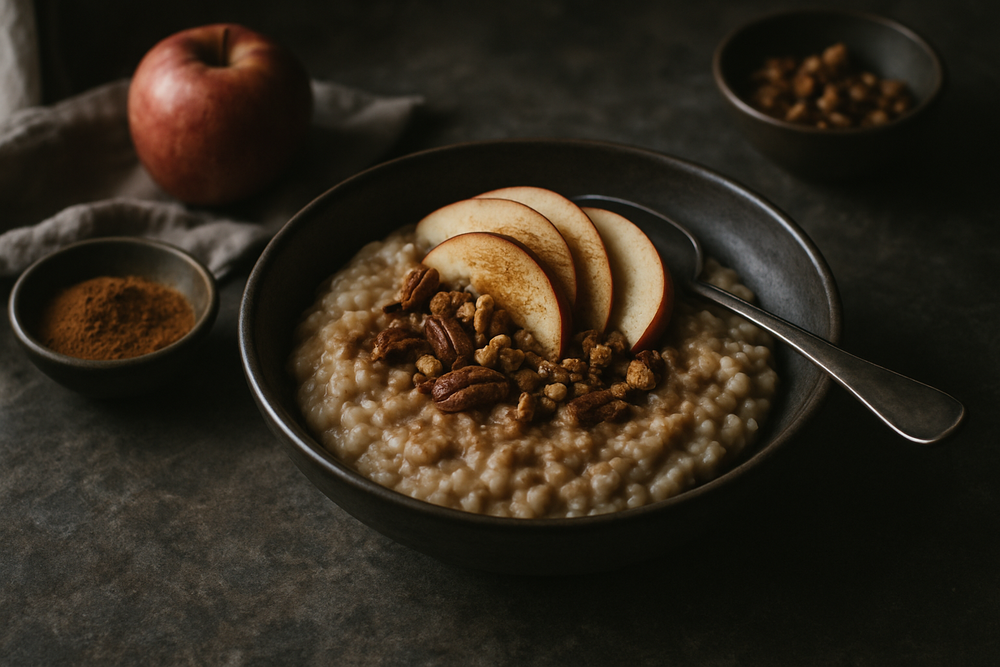
Pumpkin Pie Spice · Photograph
Discover the real pumpkin spice health benefits behind the blend. Learn how cinnamon, ginger, nutmeg, and clove may support blood sugar, digestion, and inflammation — plus nutrition facts, safe daily amounts, and healthy ways to use pumpkin pie spice in oatmeal, coffee, and baked goods.
Key Nutrients
% Daily Value based on 2,000 cal diet
Key active compounds
- Cinnamaldehyde — The main aromatic compound in cinnamon. Studied for potential effects on blood sugar, antimicrobial activity, and insulin signaling in experimental models.
- Coumarin — A natural compound found in higher concentrations in cassia cinnamon (the most common grocery-store variety). At large supplemental doses, it may affect the liver and thin the blood, but culinary amounts in a spice blend are well below concern thresholds.
- Gingerols and shogaols — Bioactive phenolic compounds (plant-based antioxidants) in ginger that are linked to reduced nausea, anti-inflammatory effects, and digestive support in human research.
- Eugenol — The phenolic compound that gives clove its sharp, distinctive scent. Has demonstrated analgesic (pain-reducing), antimicrobial, and anti-inflammatory properties, particularly in dental and oral research.
- Myristicin — An aromatic compound in nutmeg. Psychoactive at very high non-food doses, but completely irrelevant at the trace amounts present in a quarter-teaspoon of spice blend.
Prep and pairing ideas
Pumpkin pie spice works best when it's adding warmth to something that already has body and nutrition.
Oatmeal: Stir ¼–½ tsp into rolled oats with sliced banana and a drizzle of almond butter. The fiber in oats and fat in nut butter slow carbohydrate absorption — potentially complementing the blood sugar effects of the spices.
Coffee or plant-based lattes: Add a pinch directly to ground coffee before brewing, or stir into oat milk foam. Far healthier than store-bought pumpkin spice syrups, which are mostly sugar.
Roasted vegetables: A light sprinkle over roasted sweet potato, carrot, or butternut squash brings out sweetness without added sugar. The spice compounds hold up well to oven heat.
Smoothies: Blend with frozen banana, oat milk, a medjool date, and ½ tsp of the spice blend for a naturally sweet, warming breakfast drink.
Homemade energy balls: Mix with oats, tahini, maple syrup, and raisins, roll into balls, and refrigerate. A portable snack that gets the spice blend into your routine without any baking.
Bottom line
Pumpkin pie spice is genuinely more than a seasonal marketing gimmick. Each of its four main components — cinnamon, ginger, nutmeg, and cloves — carries real bioactive compounds with studied health properties. The evidence is strongest for ginger's anti-nausea effects and cinnamon's modest blood sugar support, with emerging data on antioxidant and anti-inflammatory benefits across the blend.
At culinary doses, pumpkin pie spice is safe for most people, low in calories, and one of the easiest ways to make healthy whole-food meals more satisfying. It won't replace medication, transform your health on its own, or justify a sugar-loaded latte. But as a daily flavor habit layered over oatmeal, roasted vegetables, and homemade baked goods, it earns its place in a food-as-medicine pantry.
Looking for more ways to eat for your specific health goals? Explore our ingredient guides by health goal to find spices, foods, and flavors matched to what you're working toward.
How Pumpkin Pie Spice Compares
| Compared with | What's different |
|---|---|
| Pumpkin Pie Spice vs. Pumpkin Spice Latte Syrup | Contains all spice blend components plus actual pumpkin puree and high sugar content. |
| Pumpkin Pie Spice vs. Ground Cinnamon | Focuses purely on cinnamon’s sweetness without the peppery bite of ginger and cloves. |
| Pumpkin Pie Spice vs. Apple Pie Spice | Swaps cloves and ginger for black pepper and cardamom, creating a savory-sweet profile. |
Health Benefits
Things to Know
Diabetes medications: Higher-dose cinnamon and ginger may modestly lower blood sugar. If you take insulin or oral diabetes drugs (like metformin or sulfonylureas), adding large amounts of these spices could theoretically stack with your medication. Culinary amounts are low-risk, but worth mentioning to your doctor.
Blood thinners: Cinnamon (especially cassia), ginger, and clove all have mild anticoagulant (blood-thinning) properties in concentrated form. If you take warfarin, heparin, aspirin, or clopidogrel, stick to normal food-level use and consult your provider before supplementing.
Liver conditions: Cassia cinnamon contains higher levels of coumarin, which at large supplemental doses may affect liver enzymes. Culinary use of pumpkin pie spice is not a concern, but high-dose cassia cinnamon supplements are worth avoiding if you have liver disease.
Pregnancy: Food-level use of pumpkin pie spice is generally considered safe. High-dose ginger or cinnamon supplements during pregnancy should be discussed with a midwife or OB — the evidence is mixed and concentrated supplements are not the same as cooking spices.
GERD and sensitive digestion: Aromatic, spicy foods can occasionally worsen acid reflux or heartburn. Start with small amounts if you have a sensitive stomach.
Nutmeg toxicity: Only relevant at extreme, non-food doses (several tablespoons of pure nutmeg). The trace amount in pumpkin pie spice is completely safe.
Glossary
Shop This Ingredient
Stock your pantry with quality pumpkin pie spice.
Buy on AmazonAs an Amazon Associate, Plantopedia earns from qualifying purchases. This costs you nothing extra and helps us keep the encyclopedia free.
Frequently Asked Questions
Heart and circulation Some human trials of cinnamon supplementation have found modest improvements in total cholesterol, LDL ("bad") cholesterol, and triglycerides — particularly in people with type 2 diabetes or elevated blood fats. Ginger has also shown small reductions in blood pressure and LDL in certain human studies. The catch: most of these studies used isolated cinnamon or ginger at 1–6 g per day — higher than what a typical pumpkin-spiced oatmeal delivers. The blend used in cooking likely contributes indirectly to cardiometabolic (heart and metabolic) health when it replaces added sugar and salt as a primary flavor source, and as part of an overall healthy dietary pattern. Digestive health and microbiome Ginger is one of the best-studied natural remedies for nausea. Multiple controlled human trials support its effectiveness for pregnancy-related nausea, motion sickness, and post-surgical nausea at doses of roughly 0.5–2 g of dried ginger per day. Cinnamon, clove, and nutmeg also have carminative (gas-relieving) properties backed by traditional use and some clinical observation. University Hospitals notes that these baking spices have long been used to ease indigestion, bloating, and general digestive discomfort. At culinary doses in pumpkin pie spice, you're unlikely to get a dramatic anti-nausea effect, but the blend may contribute gentle digestive support — especially in warm drinks or oatmeal consumed before or after meals. Blood sugar and metabolism This is where pumpkin spice health benefits have the most research backing. Cinnamon has been studied extensively for its effect on fasting blood glucose (blood sugar measured after not eating) and postprandial glycemia (blood sugar spikes after meals). Multiple meta-analyses suggest modest improvements in people with type 2 diabetes or metabolic syndrome (a cluster of conditions including high blood sugar, excess abdominal fat, and high cholesterol). Mechanistic research points to several possible pathways: slowing the breakdown of carbohydrates in the gut, improving insulin sensitivity, and reducing glucose absorption. Ginger may add a complementary effect through different metabolic pathways. Important caveat: trial doses for cinnamon often run 1–6 g/day — equivalent to roughly half a teaspoon to two teaspoons of pure cinnamon powder, which is more than most people get from a pumpkin-spiced dish. Pumpkin pie spice support for blood sugar is real in direction but likely modest in magnitude at normal culinary use. Inflammation and recovery All four spices in the blend contain phenolic compounds (a class of antioxidant plant chemicals) with anti-inflammatory properties in laboratory and animal studies. Smaller human trials using concentrated cinnamon or ginger extracts have reported reductions in C-reactive protein (CRP), a common blood marker of inflammation. The evidence at food-level doses is less clear. The honest summary: pumpkin pie spice is a useful addition to an anti-inflammatory eating pattern — one that also includes vegetables, legumes, whole grains, and healthy fats. It shouldn't be treated as a standalone anti-inflammatory remedy.
Ground blend vs. making your own vs. supplements Pre-made ground blend is the most convenient option and what most nutrition data is based on. Look for blends with no added sugar, salt, or fillers — the ingredient list should be nothing but spices. Homemade blend lets you control the ratio. A common ratio: 3 parts cinnamon : 2 parts ginger : 1 part nutmeg : ½ part cloves. You can increase ginger if digestive support is a priority, or reduce cloves if you find them overpowering. Cinnamon or ginger supplements are a different category entirely. Clinical trials for blood sugar and nausea used encapsulated powders or standardized extracts at doses well above culinary levels. If you're considering these for a specific health goal, discuss them with a healthcare provider first — they carry more interaction risk than the spice blend used in cooking.
The blood sugar manager Trying to reduce post-meal blood sugar spikes through diet Already eating oatmeal or legume-based meals — the blend can layer on top of naturally low-glycemic foods Looking for a low-effort way to make blood-sugar-friendly foods more satisfying and flavorful The "healthy but busy" home cook Wants to reduce added sugar in baked goods and hot drinks without losing warmth and complexity Batch-cooks on weekends — pumpkin pie spice works in overnight oats, grain bowls, and roasted vegetable trays Interested in whole-food, plant-based eating and looking for pantry shortcuts that add both flavor and function
For general healthy use, ¼ to 1 teaspoon (roughly 0.5–2 g) per serving is a practical and safe range. Many people use 1–3 teaspoons (2–6 g) spread across the day in oatmeal, coffee, and cooking without any issues. Human trials studying blood sugar benefits typically used 1–6 g/day of isolated cinnamon powder. To hit the lower end of that range from pumpkin pie spice alone, you'd need roughly 3–4 teaspoons per day — which is more than most people use, and the blend is only a fraction cinnamon anyway. The practical guidance: use as much as tastes good to you. There's no established upper limit for culinary use of the blend, and the toxicity thresholds for individual components (coumarin in cassia cinnamon, myristicin in nutmeg) are far above anything you'd reach through normal cooking. If you're specifically targeting a health outcome like blood sugar support, consider whether a dedicated cinnamon supplement (discussed with your doctor) makes more sense than relying on the spice blend alone.
Quick Answers
Common questions, answered in a line.
Pumpkin pie spice is generally safe for most people when used in culinary amounts, but it may interact with blood thinners, diabetes medications, or liver conditions if consumed in large supplemental doses. Pregnant individuals should also consult a doctor before using high-dose supplements.
Pumpkin pie spice may support blood sugar management because cinnamon contains cinnamaldehyde, a compound studied for its potential effects on insulin signaling. To maximize this, try pairing the spice with fiber-rich foods like oatmeal or fats like almond butter.
Pumpkin pie spice can aid digestion and reduce nausea primarily due to the gingerols and shogaols found in its ginger component. These bioactive phenolic compounds provide anti-inflammatory effects and digestive support in human research.
You can use pumpkin pie spice by stirring it into oatmeal, adding a pinch to ground coffee before brewing, or sprinkling it over roasted vegetables like sweet potatoes. It also works well in smoothies or homemade energy balls made with oats and nut butter.
Pumpkin pie spice is healthier than store-bought syrups because it is low in calories and lacks the high sugar content found in commercial flavorings. Using the raw spice blend allows you to get bioactive compounds like eugenol and cinnamaldehyde without added sweeteners.
Pumpkin pie spice contains several anti-inflammatory compounds, including gingerols from ginger and eugenol from cloves. These plant-based antioxidants have been studied for their ability to reduce inflammation and, in the case of cloves, provide analgesic properties.
For Readers in the USA
Local context — sourcing, seasonality, and regional notes.
Most major US grocery chains like Kroger, Walmart, and Whole Foods sell pumpkin pie spice year-round, though availability peaks during the autumn "baking season." You can typically find it in the spice aisle alongside individual jars of cinnamon and nutmeg.
While you can find it year-round, pumpkin pie spice is a seasonal staple in the US from late August through December, coinciding with the fall harvest and holidays like Thanksgiving. During this time, many farmers markets and regional grocery stores feature the blend prominently for use in seasonal produce.
The most common type of cinnamon in US-sold pumpkin pie spice is Cassia cinnamon, which is widely used for its strong, sweet flavor and affordability. If you are looking for Ceylon cinnamon, which has lower coumarin levels, you may need to check the labels of organic or specialty spice brands at stores like Sprouts or Trader Joe's.
To ensure your pumpkin pie spice meets federal standards for purity and lacks synthetic additives, look for the USDA Organic seal on the packaging. The FDA regulates these blends as "spices" or "natural flavors," but an organic certification provides extra assurance regarding pesticide use and non-GMO status.
AI Clinical Review
- Clearly explains that pumpkin pie spice is a blend (cinnamon, ginger, nutmeg, cloves) and that most evidence comes from studies on individual spices, not the blend.
- Sets appropriate expectations: cinnamon and ginger show modest benefits for blood sugar control and nausea in human studies, but at doses typically higher than a pinch in food.
- Frames antioxidant and anti-inflammatory actions as additive food-based support rather than a stand‑alone “fix,” which matches current nutrition science.
- Offers practical, lower‑sugar ways to use the spice (oats, coffee, roasted vegetables) that align with cardiometabolic health goals.
- Effects on cholesterol, triglycerides, and blood pressure are mixed across trials and likely small, varying by dose, cinnamon species (cassia vs Ceylon), and study quality.
- Inflammation findings (e.g., lower C‑reactive protein, CRP—an inflammatory blood marker) mostly come from extracts or higher‑dose supplements; the impact at culinary amounts isn’t well defined.
- Digestive and microbiome benefits beyond ginger’s well‑supported anti‑nausea effect are based on limited or indirect evidence in humans.
- The blend itself hasn’t been tested as a unit in randomized trials; conclusions are inferred from its components.
- Culinary use (about 1/4–1 teaspoon per serving) is generally safe. If you use larger daily amounts of cinnamon, Ceylon (“true”) cinnamon is lower in coumarin than common cassia and is gentler on the liver over time.
- People on blood thinners (warfarin, aspirin, clopidogrel) or diabetes medications should stick to food‑level amounts and discuss any supplement‑level use of cinnamon, ginger, or clove with a clinician.
- Pregnancy: food‑level use is typically considered low risk; higher‑dose supplements and essential oils are different and should be reviewed with an OB or midwife.
- Those with reflux or sensitive digestion may notice symptoms with aromatic spices—start small and assess tolerance. Nutmeg toxicity occurs only at non‑food doses (several tablespoons), not from typical pumpkin spice use.
Safe in culinary amounts.
References
- USDA FoodData Central — Spices, pumpkin pie spice (nutrition data) (fdc.nal.usda.gov)
- University of Rochester Medical Center — Nutrition Facts: Pumpkin Pie Spice (urmc.rochester.edu)
- University Hospitals — Health Benefits of Gingerbread Spices (clinical overview of cinnamon, ginger, nutmeg, clove) (uhhospitals.org)
- PubMed — Spices in a Product Affect Emotions: A Study with an Extruded Snack Product (2017 human study) (pubmed.ncbi.nlm.nih.gov)
- EatThisMuch — Pumpkin Pie Spice Nutrition Facts (1 tbsp, 6 g) (eatthismuch.com)
- FatSecret/USDA — Pumpkin Pie Spice Calories and Nutrition Facts (foods.fatsecret.com)
- CalorieKing — Calories in Pumpkin Pie Spice (calorieking.com)
- Rolling Out — Why Pumpkin Spice May Boost Health (accessible health overview) (rollingout.com)
- SnapCalorie — Pumpkin Pie Spice Nutrition (snapcalorie.com)
- Durkee Food Away From Home — Pumpkin Pie Spice Product and Nutrition Facts (durkeefoodawayfromhome.com)
Know Your Numbers
Eating healthy is a start. Now get to know your biomarkers.
Food changes bloodwork — inflammation, lipids, blood sugar and nutrient status all respond to what you eat. 59 markers from $59.
- Results in 7–10 days at 2,000+ Quest sites
- Licensed provider reviews every result
- One flat price, no membership, HSA/FSA eligible
Educational information only, not medical advice. Panels are ordered and reviewed through our licensed partner; Plantopedia may earn a commission.