Rajma (Kashmiri Red Kidney) — health benefits and uses
A comfort-food staple of North Indian and Kashmiri kitchens.
The Short Answer
Rajma (Kashmiri red kidney beans) provide 8.7g of protein and 7.4g of fiber per cooked cup. They must be soaked for 8 hours and boiled vigorously for 10 minutes to safely destroy toxic lectins.
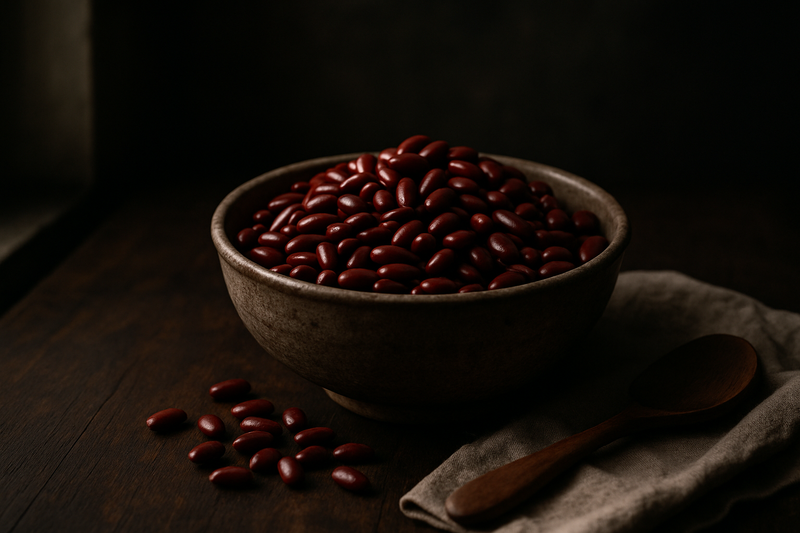
Rajma (Kashmiri Red Kidney) · Photograph
Discover the science-backed health benefits and side effects of rajma (red kidney beans) — from heart health and blood sugar support to the critical safety rule about lectin removal through proper boiling. Includes nutrition facts, daily serving guidance, and prep tips.
Key Nutrients
% Daily Value based on 2,000 cal diet
Key active compounds in rajma
- Resistant starch and complex polysaccharides — Carbohydrate fractions that digest slowly or reach the large intestine mostly undigested, where gut bacteria ferment them into beneficial short-chain fatty acids. This slows glucose absorption and may help feed a healthier gut microbiome.
- Polyphenols (flavonoids and phenolic acids) — Antioxidant compounds concentrated in the dark seed coat. The deeper the color, the higher the polyphenol load. These may reduce oxidative stress (cellular damage from unstable molecules) and support blood vessel function.
- Lectins (phytohaemagglutinin) — Carbohydrate-binding proteins naturally abundant in raw kidney beans. In raw or undercooked beans they can trigger acute nausea, vomiting, and diarrhea. Full cooking denatures (breaks down the structure of) these proteins, making rajma safe to eat. This is the most important safety fact on this page — more on it in the cooking section.
- Phytates (phytic acid) — Phosphorus-containing compounds that can mildly reduce the absorption of minerals like iron and zinc. Soaking and cooking partially reduce phytate levels. They also carry antioxidant properties.
- Saponins — Surface-active plant compounds that may contribute to cholesterol-lowering and immune-modulating effects observed in legume studies, though human data are still limited.
How should rajma be cooked to be safe? The lectin question
This is non-negotiable. Raw kidney beans — including rajma — contain some of the highest concentrations of phytohaemagglutinin (PHA), the lectin responsible for bean poisoning. Even a small amount of raw or undercooked kidney bean can cause nausea, vomiting, and diarrhea within one to three hours. The UK Food Standards Agency has documented outbreaks from improperly cooked kidney beans.
The safe cooking method:
- Soak dried rajma in plenty of cold water for at least 8–12 hours (or overnight). Discard the soaking water — do not cook in it.
- Boil vigorously in fresh water for at least 10 minutes at a rolling boil. This step is critical: it destroys lectins. Do not skip it.
- After the hard boil, reduce heat and simmer until the beans are fully soft — typically 45–60 minutes for dried rajma, or use a pressure cooker.
- Never cook dry kidney beans in a slow cooker without a prior hard boil. Slow cookers do not reach a high enough temperature to denature PHA, and this has caused documented cases of poisoning.
Canned kidney beans are pre-cooked and safe to eat after draining and rinsing. If you use canned beans in a rajma curry, they still benefit from simmering in the gravy to absorb flavor — but the safety requirement has already been met during canning.
Prep and pairing ideas
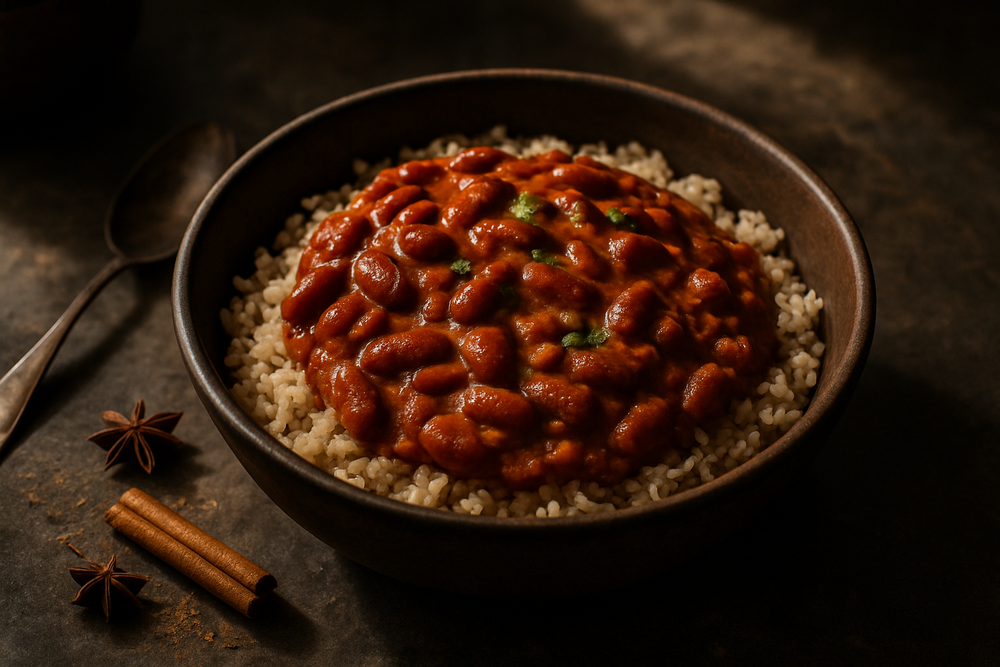
The classic preparation — rajma-chawal — is already close to nutritionally optimal: a legume paired with a whole grain for a complete protein profile and slow-releasing carbohydrates.
Rajma curry (traditional method): Soak overnight, hard boil, then simmer with sautéed onions, tomatoes, ginger, garlic, and whole spices (cumin, coriander, garam masala). The long simmer is what makes the gravy glossy and thick; it also gives the beans time to soften fully and absorb flavor. Serve with brown rice for extra fiber.
Quick weeknight bowl: Drain and rinse canned kidney beans. Warm in a pan with crushed tomatoes, smoked paprika, cumin, and a squeeze of lemon. Top a grain bowl with the beans, roasted vegetables, and a drizzle of tahini. Ready in 15 minutes.
Rajma soup: Blend half a portion of cooked rajma into a tomato-based broth for a creamy, high-protein soup without any cream. Top with a handful of fresh coriander (cilantro).
Common pairings and why they work:
- Brown rice — Completes the amino acid profile (rice provides methionine, beans provide lysine); also adds B vitamins and extra fiber compared with white rice.
- Tomatoes and lemon juice — Vitamin C from these acidic ingredients significantly improves the absorption of non-heme iron (the plant-based form of iron) from rajma. This is especially valuable for plant-based eaters at risk of low iron.
- Turmeric and black pepper — Turmeric's curcumin has potential anti-inflammatory properties; black pepper contains piperine, which improves curcumin absorption. Both are standard in rajma masala and add value beyond flavor.
Bottom line
Rajma is one of the most nutritionally complete plant foods available — delivering plant protein, dietary fiber, folate, iron, potassium, and magnesium in a dish that is both deeply traditional and well-supported by modern nutrition science. Research on beans and legumes broadly, including several meta-analyses and human trials, suggests regular consumption can support heart health, blood sugar management, gut health, and weight management as part of a balanced diet.
The one non-negotiable: always soak and hard-boil dried kidney beans before eating. Raw or slow-cooked-from-dry kidney beans contain high levels of lectins that can cause acute food poisoning. Follow proper cooking steps and rajma is safe for most people. Those with kidney disease, on blood thinners, or managing diabetes with medication should speak with a healthcare provider about portion sizes and consistency.
If you eat rajma regularly — or want to — you are already following one of the most evidence-supported dietary habits for long-term health.
Interested in building more meals around high-fiber, plant-based ingredients? Browse the Plantopedia goals guide to find eating patterns matched to your health priorities.
How Rajma (Kashmiri Red Kidney) Compares
| Compared with | What's different |
|---|---|
| Rajma (Kashmiri Red Kidney) vs. Red Kidney Beans | Smaller, darker red, and hold their shape better during cooking than standard kidney beans. |
| Rajma (Kashmiri Red Kidney) vs. Pinto Beans | Lower in protein and fiber per cup, with a much softer, creamier texture when stewed. |
Health Benefits
Things to Know
Hard boiling is mandatory.: Never consume raw, sprouted-only, or slow-cooker-only kidney beans. Thoroughly boil first, always.
Chronic kidney disease (CKD): Rajma is relatively high in potassium (403 mg/100 g) and phosphorus (142 mg/100 g). People on dialysis or with advanced CKD should discuss portion sizes with a renal dietitian before eating rajma regularly.
Warfarin and anticoagulants: Rajma contains modest vitamin K (~8.4 mcg/100 g). Sudden large increases in vitamin K-rich foods can affect INR (a measure of blood clotting speed). Stable, moderate intake is generally fine; avoid sudden large changes without informing your healthcare provider.
Diabetes medications: Both whole rajma and white kidney bean extract can lower post-meal blood sugar. If you are on insulin, sulfonylureas, or other glucose-lowering drugs, a significant increase in legume intake could enhance these effects and may warrant a medication review.
ACE inhibitors and potassium-sparing diuretics: The potassium in rajma adds to dietary potassium load; people at risk of hyperkalemia (high blood potassium) should monitor cumulative intake.
IBS and inflammatory bowel disease (IBD): Rajma contains fermentable oligosaccharides (a type of FODMAP — fermentable carbohydrates that can cause GI symptoms in sensitive individuals). People with IBS or IBD in an active flare may find it aggravates symptoms; introduce slowly and observe.
Legume allergies: If you have known allergies to peanuts, soy, lentils, or other legumes, introduce rajma cautiously, as cross-reactivity is possible.
Gout and high uric acid: Beans contain purines, which can raise uric acid levels. Clinical guidance generally allows moderate legume intake for most people with gout, but personalized advice from a healthcare provider is recommended.
Pregnancy: Rajma is an excellent source of folate, which is critical in early pregnancy for preventing neural tube defects. It is safe and beneficial for most pregnant people; continue following general food safety guidance.
Prep Ideas
- — **Brown rice** — Completes the amino acid profile (rice provides methionine, beans provide lysine); also adds B vitamins and extra fiber compared with white rice.
- — **Tomatoes and lemon juice** — Vitamin C from these acidic ingredients significantly improves the absorption of non-heme iron (the plant-based form of iron) from rajma. This is especially valuable for plant-based eaters at risk of low iron.
- — **Turmeric and black pepper** — Turmeric's curcumin has potential anti-inflammatory properties; black pepper contains piperine, which improves curcumin absorption. Both are standard in rajma masala and add value beyond flavor.
Glossary
Shop This Ingredient
Stock your pantry with quality rajma (kashmiri red kidney).
Buy on AmazonAs an Amazon Associate, Plantopedia earns from qualifying purchases. This costs you nothing extra and helps us keep the encyclopedia free.
Frequently Asked Questions
Heart health and cholesterol The evidence base here is the strongest of any benefit area. Multiple large prospective cohort studies (long-term studies that follow people over time) and meta-analyses (pooled analyses of many studies) have found that eating legumes four or more times per week is associated with roughly 22% lower risk of coronary heart disease compared with eating them less than once a week. A systematic review published in the journal Circulation found an inverse association between bean intake and total coronary heart disease risk. In shorter-term human trials, test meals based on darker beans — including red kidney beans — improved postprandial (after-eating) vascular function compared with white rice, reducing blood pressure and measures of arterial stiffness within hours. One pilot randomized crossover study found red kidney beans also modestly reduced LDL cholesterol (often called "bad" cholesterol) over six hours compared with rice. Researchers suggest the polyphenols, fiber, and resistant starch in kidney beans all play a role. Most of this evidence pools multiple bean types rather than isolating rajma, but Kashmiri rajma is nutritionally comparable to other red kidney bean varieties and likely shares these heart-protective effects — especially when it replaces refined grains or red meat in meals. Digestive health and microbiome support Rajma provides about 7.4 g of dietary fiber per 100 g cooked — roughly a quarter of the recommended daily intake in a single 100 g portion. Fiber adds bulk to stools, supports regular bowel movements, and feeds beneficial bacteria in the colon. The resistant starch in rajma reaches the large intestine largely undigested, where it is fermented into short-chain fatty acids like butyrate, which support gut lining health and may reduce inflammation in the colon. That said, this fermentation process is also why rajma can cause gas and bloating, especially if you eat a large portion suddenly after weeks of a low-fiber diet. The research on specific microbiome changes from kidney beans in humans is still emerging. The digestive benefits are well supported by fiber science and general legume data; rajma-specific microbiome trials are lacking. Blood sugar and metabolism Rajma has a low glycemic index — it raises blood sugar significantly more slowly than white rice, white bread, or potatoes. This is largely because of its fiber and resistant starch content, which slow the digestion and absorption of carbohydrates. Randomized controlled trials where legumes replaced high-GI foods in the diets of adults with type 2 diabetes have shown improvements in glycemic control and cardiovascular risk factors. An acute pilot trial found that darker-colored bean meals (including red kidney) produced more favorable post-meal glucose and vascular responses than white rice. This is directly relevant to the traditional rajma-chawal dish: replacing white rice with the bean component, or swapping white rice for brown rice, may improve the overall glycemic response of the meal. Evidence is promising but most trials use mixed pulse interventions or white kidney bean extract rather than whole rajma, so results should be treated as strong supporting evidence rather than definitive proof. Inflammation and recovery Evidence here is earlier-stage. Reviews of bean consumption and cardiovascular disease suggest that regular intake may improve inflammatory markers and atherogenic (artery-clogging) lipoproteins, though this evidence is less robust than for fiber and glycemic effects. In the postprandial vascular trial mentioned above, red kidney beans showed favorable short-term changes in LDL cholesterol, which may partly reflect their polyphenol content reducing oxidative stress. There are limited human studies directly measuring inflammatory cytokines (immune signaling proteins) after rajma consumption specifically; most anti-inflammatory claims are inferred from improved vascular function and antioxidant content.
The plant-based protein seeker Getting enough complete protein can feel challenging without meat; rajma at 8.7 g protein per 100 g cooked is one of the most practical solutions Combining rajma with rice creates a more complete amino acid profile (rice contributes lysine's complementary amino acids) Also delivers iron and folate — two nutrients commonly low in plant-forward diets, especially for women of reproductive age The person managing blood sugar or heart health Low-GI carbohydrate that blunts post-meal glucose spikes compared with refined grains Regular legume intake linked in large studies to lower coronary heart disease risk High potassium and magnesium contribute to blood pressure regulation, an important factor for cardiovascular health
Most of the research linking legume intake to reduced cardiovascular and metabolic risk points to eating legumes several times a week — roughly four or more servings per week for the most pronounced associations in cohort studies. Practical daily guidance: ½ cup cooked (about 90 g): A moderate portion, suitable as part of a larger mixed meal. Delivers approximately 7–8 g protein and 6–7 g fiber. A good starting amount if you are new to rajma. 1 cup cooked (about 150–170 g): A full serving for rajma-chawal. Delivers approximately 13–15 g protein and 11–12 g fiber. Common in traditional home cooking. More than 1.5 cups daily: Not harmful for healthy adults but unlikely to add proportional benefit, and may contribute to significant gas and bloating if your gut is not adapted. Start low, go slow: If you currently eat little fiber, add rajma gradually over 2–3 weeks. Drink plenty of water. Your gut bacteria adapt over time, and bloating typically reduces. There is no established upper limit for whole cooked rajma in healthy adults. The practical ceiling is digestive comfort and your overall dietary variety. Rajma as part of a varied, whole-food diet is healthier than relying on any single ingredient.
Quick Answers
Common questions, answered in a line.
To cook rajma safely, soak dried beans for 8–12 hours, discard the water, and boil them vigorously in fresh water for at least 10 minutes. A hard boil is critical to destroy toxic lectins before simmering the beans until soft or using a pressure cooker.
Yes, raw or undercooked kidney beans contain high levels of phytohaemagglutinin (lectins) which can cause acute nausea, vomiting, and diarrhea. You must never eat them raw or sprouted, and slow cookers should only be used after the beans have already undergone a 10-minute hard boil.
Rajma contains resistant starch and complex polysaccharides that digest slowly, helping to prevent sharp spikes in blood sugar levels. While beneficial, people on insulin or glucose-lowering medications should consult a doctor, as rajma can enhance the effects of these drugs.
Eating rajma with vitamin C-rich foods like tomatoes or lemon juice significantly improves the absorption of its plant-based (non-heme) iron. This pairing is particularly valuable for individuals on plant-based diets who may be at risk of low iron levels.
Rajma is rich in plant protein, dietary fiber, folate, iron, and potassium, making it one of the most nutritionally complete plant foods. Its active compounds, such as polyphenols and saponins, support heart health, gut function, and may reduce oxidative stress.
People with chronic kidney disease (CKD) should monitor their rajma intake because it is relatively high in potassium and phosphorus. Those on dialysis or with advanced CKD should consult a renal dietitian regarding appropriate portion sizes.
Rajma contains fermentable oligosaccharides (FODMAPs) that may cause gas, bloating, or digestive discomfort in sensitive individuals. Those with IBS or IBD should introduce these beans slowly into their diet to observe how their system reacts.
For Readers in the USA
Local context — sourcing, seasonality, and regional notes.
You can find dried or canned Kashmiri rajma at local Indian grocery stores, specialty markets like Whole Foods, or through major online retailers. While standard dark red kidney beans are staples at Kroger, Walmart, and Safeway, the specific Kashmiri variety is most easily found in the international aisle or at dedicated South Asian markets.
In the U.S., kidney beans are primarily grown in the Red River Valley of North Dakota and Minnesota, with harvests typically occurring in late summer and early autumn. While the Kashmiri variety is often imported, domestic red kidney beans are widely available year-round due to their long shelf life and stable commercial production in northern states.
The USDA Organic seal ensures that rajma was grown without synthetic fertilizers or prohibited pesticides, which may be a priority for consumers concerned about agricultural chemicals. Additionally, the FDA provides specific guidelines on boiling dried kidney beans to at least 212°F to neutralize phytohaemagglutinin, a naturally occurring toxin.
Kashmiri rajma is smaller, darker, and holds its shape better than the larger, lighter red kidney beans commonly used in American chili or Louisiana red beans and rice. While they are botanically the same species, the Kashmiri variety is prized in the U.S. Indian diaspora for its silkier texture and ability to absorb the flavors of traditional North Indian spices.
AI Clinical Review
- Rajma (red kidney beans) is accurately presented as nutrient-dense: high in protein and fiber with meaningful folate, iron, potassium, and magnesium; the per‑100 g cooked values align with standard food composition data.
- The heart and blood‑sugar benefits are framed appropriately: strong, consistent evidence supports legumes broadly (including kidney beans) for cardiometabolic health when they replace refined carbohydrates or red meat.
- Safety guidance is excellent and essential: raw/undercooked kidney beans contain lectins; a vigorous 10‑minute boil before simmering (or using canned, pre‑cooked beans) prevents toxicity.
- Practical tips—pairing with vitamin C–rich foods to boost non‑heme iron absorption and combining with grains for complementary amino acids—are evidence‑based and useful.
- Most cited research evaluates legumes as a group or kidney beans generally; data specific to Kashmiri rajma varieties are limited, so benefits are inferred rather than directly proven.
- Short, small acute trials reporting improved post‑meal vascular measures and LDL changes are promising but not definitive for long‑term outcomes.
- Microbiome and anti‑inflammatory claims are biologically plausible (fiber, resistant starch, polyphenols) but human studies isolating rajma’s unique effects are sparse.
- Weight‑management benefits are likely driven by fiber and low energy density; rajma‑specific randomized trials for weight loss are limited.
- Safe preparation matters: soak, discard soaking water, then boil vigorously for at least 10 minutes before simmering; never slow‑cook from dry. Canned kidney beans are already cooked and safe after rinsing.
- Typical intake: 1/2–1 cup cooked (about 90–170 g) per meal works well for most; benefits in studies come from eating legumes several times per week rather than very large daily amounts.
- Check with a clinician if you have chronic kidney disease or take ACE inhibitors/potassium‑sparing diuretics (potassium/phosphorus load), use warfarin (keep vitamin K intake steady), or take glucose‑lowering medications (possible additive effects on blood sugar).
- Digestive sensitivity varies: rajma contains FODMAPs (fermentable carbs that can cause gas/bloating). Introduce gradually, cook thoroughly, and consider smaller portions—especially if you have IBS/IBD or a history of legume intolerance; those with legume allergies should proceed cautiously.
Must be boiled hard; kidney-type beans are highest in lectins and require full cooking, not just slow-cooker warming.
References
- USDA FoodData Central — cooked red kidney beans, nutritional data (fdc.nal.usda.gov)
- Harvard T.H. Chan School of Public Health — Legumes and Pulses overview (nutritionsource.hsph.harvard.edu)
- British Heart Foundation — Pulses: what they are and why they're good for you (bhf.org.uk)
- Cambridge University Press review — Health benefits of beans in prevention of type 2 diabetes and cardiovascular disease (cambridge.org)
- American Heart Association / Circulation — Meta-analysis on nuts and beans and coronary heart disease, stroke, and diabetes risk (ahajournals.org)
- ScienceDirect — Black beans and red kidney beans: pilot randomized crossover study on postprandial vascular responses (sciencedirect.com)
- PubMed / PMC — Beans consumption and cardiovascular disease prevention review (pubmed.ncbi.nlm.nih.gov)
- ScienceDirect — Therapeutic potential of white kidney bean extract in metabolic health (sciencedirect.com)
- MedicineNet — Kidney Beans 101: Nutrition Facts and Health Benefits (medicinenet.com)
- USDA — Total Dietary Fiber data for red kidney beans (nal.usda.gov)
Know Your Numbers
Eating healthy is a start. Now get to know your biomarkers.
Food changes bloodwork — inflammation, lipids, blood sugar and nutrient status all respond to what you eat. 59 markers from $59.
- Results in 7–10 days at 2,000+ Quest sites
- Licensed provider reviews every result
- One flat price, no membership, HSA/FSA eligible
Educational information only, not medical advice. Panels are ordered and reviewed through our licensed partner; Plantopedia may earn a commission.