Sacha Inchi Seeds — health benefits and uses
Healthy fats, minerals, and texture; small-amount high-leverage add-in
The Short Answer
Sacha inchi seeds are nutrient-dense Amazonian seeds providing 8g of plant protein and 5g of Omega-3 ALA per ounce. They are typically eaten roasted and offer a crunchy texture similar to a cross between a peanut and a sunflower seed.

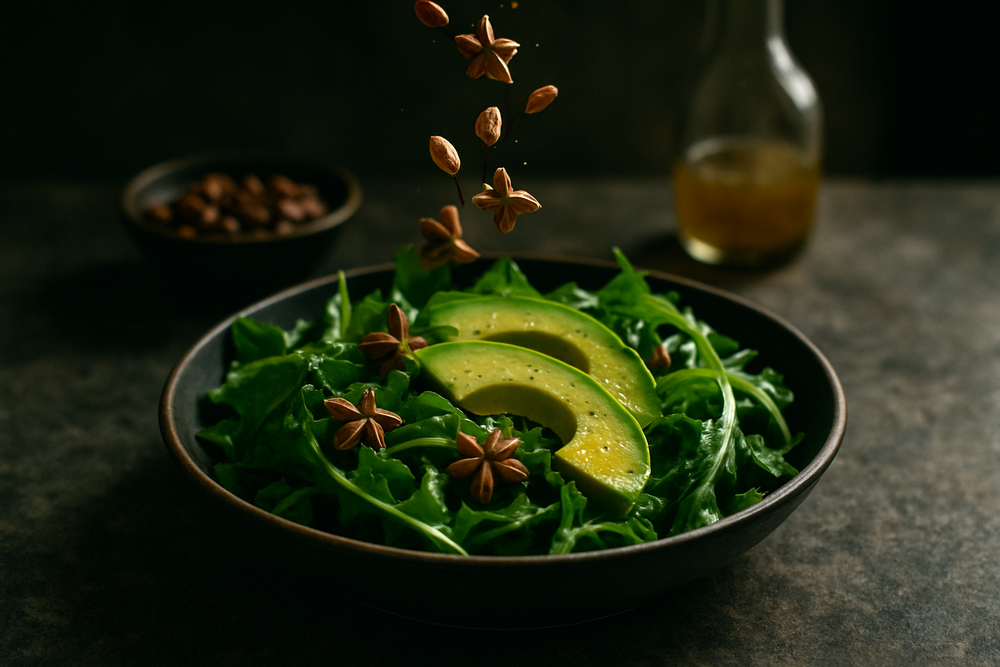
Sacha Inchi Seeds · Photograph
Sacha inchi seeds (Plukenetia volubilis) — sometimes called Inca peanuts or Inca nuts — come from a star-shaped pod that grows on a vine native to the Peruvian Amazon and other parts of South America. They have been eaten by indigenous Amazonian communities for centuries, and in the last decade they have attracted genuine research interest for an unusual nutritional combination: high plant protein, very high omega-3 fat, and a range of minerals, all in a seed that tastes like a nutty cross between a sunflower seed and a peanut when lightly roasted.
Key Nutrients
% Daily Value based on 2,000 cal diet
Key active compounds
- Alpha-linolenic acid (ALA, omega-3): An essential fatty acid — meaning your body cannot make it and must get it from food. ALA is the dominant fat in sacha inchi oil, making up roughly 45–50% of its total fat content. It supports cardiovascular health and can be partially converted by the body into the longer-chain omega-3s EPA and DHA (though conversion rates are low).
- Linoleic acid (LA, omega-6): Another essential fatty acid present alongside ALA. In balance with omega-3, it supports normal cell membrane function and immune responses.
- γ- and δ-tocopherols (vitamin E isoforms): Natural forms of vitamin E found in the seed's oil fraction. They act as antioxidants — meaning they help neutralize free radicals (unstable molecules that can damage cells) — and may have cardioprotective properties.
- Phenolic compounds: A broad category of plant defense molecules with antioxidant activity. Sacha inchi seed and leaf extracts show documented antioxidant capacity in laboratory studies.
- Bioactive peptides: Short chains of amino acids released when sacha inchi protein is digested or processed. In preclinical (lab and animal) research, these peptides have shown antioxidant, antihypertensive (blood-pressure-lowering), and immune-modulating activity. Human data are still very limited.
- Tryptophan: An essential amino acid present in sacha inchi protein. Tryptophan is the raw material the body uses to make serotonin, a neurotransmitter involved in mood and appetite. Whether the amount in a food-level serving meaningfully shifts serotonin levels is not well established.
Prep and pairing ideas
Sacha inchi seeds are flexible and take very little prep work. Here are three practical ways to use them:
1. Trail mix anchor with dried mango and pumpkin seeds Sacha inchi's crunchy, mildly nutty flavor pairs naturally with tropical dried fruit. The fat and protein in the seeds slow the sugar absorption from the fruit, and pumpkin seeds add extra magnesium and zinc. Keep total portion to about 1 ounce of seeds plus a small handful of fruit.
2. Salad topper with an olive oil and lemon dressing Crumble roasted sacha inchi over leafy greens, sliced cucumber, and chickpeas. The seeds add crunch, protein, and ALA omega-3, while the olive oil in the dressing adds oleic acid (a heart-friendly monounsaturated fat). Fat in the dressing also helps your body absorb fat-soluble vitamins (like vitamin E) from the seeds themselves.
3. Oatmeal or overnight oats stir-in Stirring a small handful of sacha inchi seeds into oatmeal adds satisfying crunch, protein, and healthy fat to a meal that otherwise delivers mostly slow-release carbohydrates. The combination extends satiety and helps keep blood sugar more stable through the morning.
Storage tip: Store in an airtight container in a cool, dark place. The high polyunsaturated fat content means they can go ranc
How Sacha Inchi Seeds Compares
| Compared with | What's different |
|---|---|
| Sacha Inchi Seeds vs. Walnuts | Sacha inchi contains much higher protein (8g vs 2g) and more than double the Omega-3s per ounce. |
| Sacha Inchi Seeds vs. Chia Seeds | Sacha inchi is a complete protein source with a crunchier, nut-like texture when roasted. |
| Sacha Inchi Seeds vs. Peanuts | Sacha inchi has a milder, nuttier flavor and significantly more fiber per serving. |
Health Benefits
Things to Know
Allergy awareness: Sacha inchi is botanically unrelated to peanuts and tree nuts, but allergy data are sparse. If you have a history of significant nut, peanut, or seed allergies, introduce it cautiously and consult an allergist first.
Always eat roasted, not raw: Raw seeds contain bitter alkaloids (plant defense compounds) and potential irritants that roasting reduces. Stick to commercially roasted seeds.
GI tolerance: Start with a smaller portion (half an ounce) and build up over one to two weeks if you experience gas, nausea, or bloating. Eating seeds with a meal rather than on an empty stomach usually improves tolerance.
High calorie density: Like all nuts and seeds, sacha inchi is energy-dense (~170 cal/oz). If you are managing calorie intake carefully, account for it within your daily pattern rather than adding it on top.
Anticoagulant medications (e.g., warfarin, clopidogrel): Very high supplemental omega-3 intakes can theoretically have mild blood-thinning effects. At food-level serving sizes this is unlikely to be clinically significant, but if you take blood thinners and plan to use concentrated sacha inchi oil supplements, flag it with your prescriber.
Antihypertensive medications: Preliminary mechanistic evidence suggests sacha inchi components may have mild blood-pressure-supporting effects. If you take medication for high blood pressure, routine monitoring is sensible when adding any omega-3-rich food or oil in larger amounts.
Low-fat therapeutic diets: People with certain pancreatic, gallbladder, or fat-malabsorption conditions who follow a medically restricted low-fat diet should check with their provider before adding a fat-dense seed.
Pregnancy and breastfeeding: Normal culinary use (one ounce of seeds, occasional finishing oil) within a balanced diet is likely fine, but high-dose oil supplementation has not been studied in these populations — discuss with a healthcare provider first.
Shop This Ingredient
Stock your pantry with quality sacha inchi seeds.
Buy on AmazonAs an Amazon Associate, Plantopedia earns from qualifying purchases. This costs you nothing extra and helps us keep the encyclopedia free.
Frequently Asked Questions
Heart and circulation This is where the most human evidence currently exists, though it is still early-stage. Sacha inchi seeds and oil are rich in ALA and linoleic acid, both of which are associated with heart-healthy outcomes in the broader nut and seed literature. Several small human trials using sacha inchi oil (typically 10–15 mL per day over several weeks to months) have reported improvements in blood lipid profiles — including higher HDL ("good") cholesterol, lower LDL ("bad") cholesterol, and lower triglycerides. Important caveats: most of these trials involved small groups of participants, and they used concentrated oil rather than whole roasted seeds. The cardiovascular benefits of whole sacha inchi seeds are reasonably inferred from their similar fat profile, and they are consistent with the wider body of evidence supporting ALA-rich plant foods (flax, chia, walnuts) for heart health — but sacha inchi-specific human data on whole seeds remain limited. Digestive health and microbiome Each 1-ounce serving contributes approximately 5 g of dietary fiber. Higher fiber intake from whole foods is consistently associated in large population studies with healthier digestion, more regular bowel movements, and a more diverse gut microbiome. These benefits, however, are attributed to fiber intake broadly — not to sacha inchi specifically, since no controlled human trials have tested sacha inchi's impact on digestive or microbiome outcomes directly. A practical note: the combination of high fat and fiber in sacha inchi can cause GI discomfort (nausea, gas) in some people, especially when introduced quickly or at larger portions. Gradual introduction is recommended. Blood sugar and metabolism There are no large, robust human clinical trials directly assessing sacha inchi on blood sugar control. That said, the macronutrient profile is encouraging: high in protein, fat, and fiber, and very low in net carbohydrates. This pattern is associated in the broader nutrition literature with a low glycemic impact — meaning a smaller, slower rise in blood sugar after eating compared to refined carbohydrate snacks. Replacing a refined snack with a handful of sacha inchi seeds aligns with standard guidance for improving cardiometabolic health, though the effects haven't been specifically measured for this seed. Inflammation and recovery Sacha inchi's high ALA content, vitamin E isoforms, and phenolic compounds all have biological roles in managing oxidative stress (cellular damage from free radicals) and inflammation. Laboratory and animal studies are encouraging, and this is consistent with the known anti-inflammatory profile of ALA-rich plant oils. However, direct human clinical trials measuring inflammatory biomarkers after sacha inchi consumption are not yet available. This is an area to watch as research matures, but strong claims should not be made from current data. Hormones, mood, and appetite Sacha inchi is a source of tryptophan, which the body uses to produce serotonin. Popular articles have highlighted potential mood and appetite benefits, but direct human clinical trials evaluating hormonal or neurotransmitter changes after eating sacha inchi are essentially absent. These potential effects should be considered theoretical at this stage.
Both forms have merit, and the best choice depends on how you plan to use sacha inchi. Roasted whole seeds are the most practical whole-food option. They deliver protein, fiber, and healthy fat together in a minimally processed package. The fiber and protein add satiety (a feeling of fullness) and slow down fat absorption, which can moderate the speed of nutrient delivery. One ounce daily is a realistic, sustainable serving. Cold-pressed sacha inchi oil is a more concentrated ALA source and the form used in most published human trials for cardiovascular outcomes. It works best as a finishing oil on salads or cooked grains — polyunsaturated fats (PUFAs) in general are heat-sensitive and can degrade into harmful compounds when used for high-heat frying. Typical study doses are about 10–15 mL (2–3 teaspoons) per day. Protein powder or defatted flour (made after oil extraction) is high in plant protein and works in smoothies or baked goods. It is the least whole-food form but may suit people who specifically want concentrated protein without additional fat. Bottom line on form: For WFPB eating, roasted whole seeds are the most natural fit. If cardiovascular-specific benefits are your goal and you've discussed it with a provider, the oil in realistic amounts may add additional ALA beyond what you get from seeds alone.
Quick Answers
Common questions, answered in a line.
Sacha inchi seeds are an excellent plant source of omega-3 fatty acids, specifically alpha-linolenic acid (ALA), which makes up roughly 45–50% of the oil. These essential fats support cardiovascular health and can be partially converted by the body into EPA and DHA.
You should always eat sacha inchi seeds roasted because raw seeds contain bitter alkaloids and potential irritants. Roasting reduces these plant defense compounds, making the seeds safer and more palatable to consume.
Sacha inchi seeds contain tryptophan, an essential amino acid that the body uses to produce the neurotransmitter serotonin. Serotonin is involved in regulating mood and appetite, though it is not yet established if food-level servings significantly shift these levels.
Yes, sacha inchi seeds are rich in antioxidants, including phenolic compounds and vitamin E isoforms like γ- and δ-tocopherols. These compounds help neutralize free radicals, which are unstable molecules that can cause cellular damage.
Incorporating sacha inchi seeds into meals like oatmeal or trail mix adds protein and healthy fats that help slow sugar absorption and extend satiety. This combination helps keep blood sugar levels more stable compared to eating carbohydrates alone.
Sacha inchi seeds are native to the Peruvian Amazon and other regions of South America. They grow on vines in star-shaped pods and have been a staple food for indigenous Amazonian communities for centuries.
Individuals taking anticoagulant (blood-thinning) or antihypertensive (blood-pressure) medications should consult a doctor before consuming large amounts of sacha inchi. The high omega-3 content and bioactive peptides may have mild blood-thinning or pressure-lowering effects.
For Readers in the USA
Local context — sourcing, seasonality, and regional notes.
You can find sacha inchi seeds at major U.S. health food retailers like Whole Foods Market and Sprouts Farmers Market, or through online giants like Amazon and Thrive Market. They are typically stocked in the snack nut aisle or the "superfood" supplement section.
Currently, sacha inchi is not widely grown in the U.S. mainland, but there is experimental cultivation in tropical South Florida and Hawaii due to their favorable frost-free climates. Most seeds sold domestically are imported from Peru, Thailand, or Colombia.
When buying sacha inchi in the U.S., look for the USDA Organic seal to ensure the seeds were produced without synthetic pesticides or GMOs. The FDA regulates these seeds as a food product, and manufacturers must provide a standard Nutrition Facts label.
Sacha inchi is often marketed in the U.S. as "Inca Peanuts" or "Mountain Peanuts" because of its legume-like flavor, despite not being a true nut. It is a popular plant-based protein source for American consumers following Paleo, Keto, or vegan diets.
AI Clinical Review
- Clearly explains that sacha inchi is unusual among seeds for combining meaningful protein, fiber, and very high alpha‑linolenic acid (ALA, a plant omega‑3) in a modest serving.
- Accurately notes that most human research has evaluated cold‑pressed oil and shows favorable changes in blood lipids, consistent with broader ALA‑rich foods (e.g., flax, chia, walnuts).
- Sensibly recommends roasted seeds (not raw) and using the oil as a finishing oil because polyunsaturated fats are heat‑sensitive.
- Offers practical serving ideas and flags calorie density, aligning with whole‑food, plant‑based patterns.
- Direct human trials on whole roasted seeds are limited; most benefits are inferred from oil studies and from the wider nut/seed literature.
- Evidence for effects on the gut microbiome, inflammatory markers, blood pressure, and mood/appetite (via tryptophan) is preliminary or preclinical.
- Long‑term outcomes (e.g., reduced cardiovascular events or diabetes endpoints) at typical food doses have not been established.
- Conversion of ALA to EPA/DHA varies among individuals, so the impact on overall omega‑3 status is uncertain and may not match marine/algal sources.
- Typical food range: about 1 ounce (28 g) seeds daily or 2–3 teaspoons (10–15 mL) oil as a finishing oil; introduce gradually if you notice GI upset. Store seeds cool/dark and refrigerate oil to prevent rancidity.
- Allergies: not botanically related to peanuts/tree nuts, but allergic reactions to seeds can occur; those with prior severe nut/seed allergies should consider cautious first exposure and consult an allergist.
- Medications/conditions: if you use anticoagulants or antihypertensives, or have fat‑malabsorption, gallbladder, or pancreatic disorders, discuss larger amounts or concentrated oil with your clinician.
- Life stages: culinary amounts in pregnancy/lactation appear reasonable, but meeting DHA needs may still require direct EPA/DHA (e.g., algal oil); review with your healthcare provider.
Mention allergy context where appropriate; keep serving size realistic.
References
- PMC, National Library of Medicine — Biological Activity of Sacha Inchi (Plukenetia volubilis Linneo) and Potential Uses in Human Health: A Review (pmc.ncbi.nlm.nih.gov)
- PMC, National Library of Medicine — Sacha Inchi (Plukenetia Volubilis L.): recent insight on phytochemistry, pharmacology, organoleptic, safety and toxicity perspectives (pmc.ncbi.nlm.nih.gov)
- PMC, National Library of Medicine — Sacha Inchi (Plukenetia volubilis L.) Protein Hydrolysate as a New Ingredient of Functional Foods (pmc.ncbi.nlm.nih.gov)
- PubMed — Sacha inchi (Plukenetia volubilis L.): Nutritional composition, biological activity, and uses (pubmed.ncbi.nlm.nih.gov)
- PubMed — Sacha inchi (Plukenetia volubilis): a seed source of polyunsaturated fatty acids, tocopherols, phytosterols, phenolic compounds and antioxidant capacity (pubmed.ncbi.nlm.nih.gov)
- PubMed — Safety of roasted seeds from Plukenetia volubilis L. as a traditional food from a third country pursuant to Regulation (EU) No 2015/2283 (pubmed.ncbi.nlm.nih.gov)
- Springer — Client Challenge (link.springer.com)
- Taylor & Francis — 10942912.2019.1640247 (tandfonline.com)
- ScienceDirect — S0308814618308525 (sciencedirect.com)
Know Your Numbers
Eating healthy is a start. Now get to know your biomarkers.
Food changes bloodwork — inflammation, lipids, blood sugar and nutrient status all respond to what you eat. 59 markers from $59.
- Results in 7–10 days at 2,000+ Quest sites
- Licensed provider reviews every result
- One flat price, no membership, HSA/FSA eligible
Educational information only, not medical advice. Panels are ordered and reviewed through our licensed partner; Plantopedia may earn a commission.