Shredded Coconut — health benefits and uses
A pantry staple across tropical cuisines, valued for rich, satiating fats.
The Short Answer
Shredded coconut provides 93 calories and 2 grams of fiber per 1/4 cup serving. It is a rich source of manganese and medium-chain triglycerides (MCTs), though it should be eaten in moderation due to its high saturated fat content.
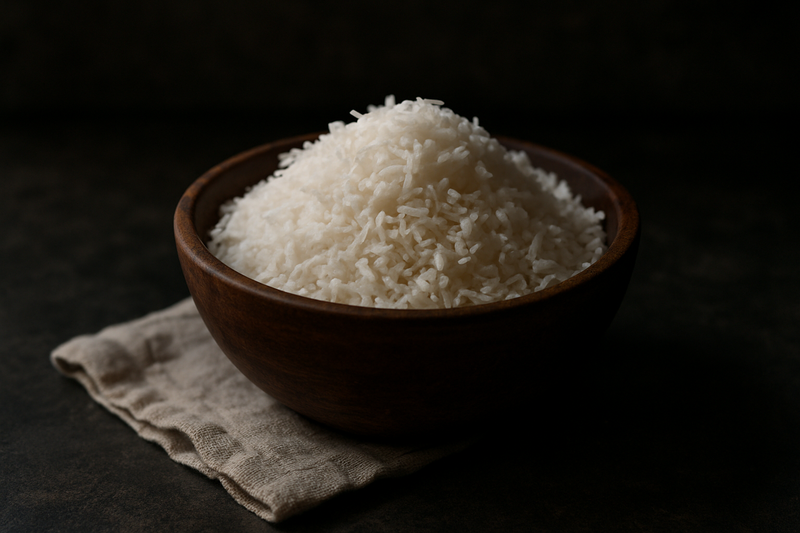
Shredded Coconut · Photograph
Discover the shredded coconut health benefits and side effects, including unsweetened nutrition facts, fiber and manganese content, cholesterol considerations, and how to use it wisely in granola, curries, and baked goods.
Key Nutrients
% Daily Value based on 2,000 cal diet
Key active compounds
- Lauric acid — A 12-carbon saturated fatty acid that makes up the majority of coconut's fat. It raises both LDL ("bad") and HDL ("good") cholesterol; its overall effect on heart disease risk is still debated among researchers.
- Medium-chain triglycerides (MCTs) — Fats made of medium-length carbon chains (typically 8–12 carbons) that the body absorbs and burns faster than long-chain fats. Coconut contains MCTs but in smaller concentrations than concentrated MCT oil.
- Phenolic compounds (polyphenols) — Plant-based antioxidant molecules in coconut meat that may help reduce oxidative stress. Most evidence so far comes from lab and animal studies.
- Insoluble dietary fiber — The non-digestible part of coconut's cell walls. It adds bulk to stool, may support bowel regularity, and contributes to satiety in mixed meals.
Prep and pairing ideas
Shredded coconut is one of the most versatile pantry ingredients for adding texture, flavor, and a subtle richness without heavily processed ingredients.
- Toast it first: Spread unsweetened shredded coconut in a dry skillet over medium heat and stir for 2–3 minutes until golden. Toasting amplifies the nutty flavor significantly, so you need less of it.
- Granola base: Combine oats, chopped walnuts, pumpkin seeds, and 2–3 tablespoons of unsweetened shredded coconut per cup of oats. The coconut's natural fat helps clusters form without needing much added oil.
- Thai and South Asian curries: Stir 1–2 tablespoons of finely shredded coconut into a curry paste or directly into the sauce for body and sweetness. It partially dissolves and thickens the sauce.
- Baked goods: Mix 2–3 tablespoons into banana bread, muffin batter, or energy bars. It pairs especially well with dark chocolate, mango, and lime zest.
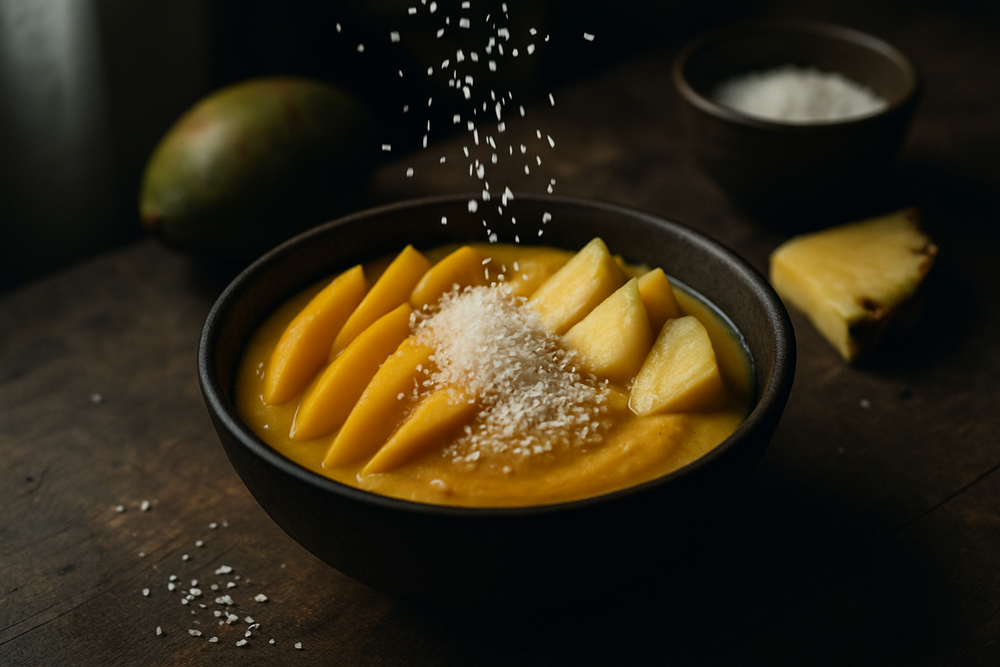
- Overnight oats and smoothie bowls: A teaspoon or two on top adds crunch and a tropical note without meaningfully changing the saturated fat load of the meal.
Common pairings
- Shredded coconut + oats + pumpkin seeds: A classic granola trio. The oats provide beta-glucan fiber for blood sugar management, the seeds add unsaturated fats and zinc, and the coconut brings manganese and crunch — nutritional balance in every cluster.
- Shredded coconut + turmeric + chickpeas: The base of many South Asian dishes. Turmeric and coconut together may have complementary antioxidant properties (though evidence is preliminary), and chickpeas add protein and soluble fiber to offset coconut's saturated fat contribution.
- Shredded coconut + dark chocolate + almonds: An energy-ball or trail-mix combination. Dark chocolate's polyphenols and almonds' monounsaturated fats complement coconut's texture, and the combo is genuinely satisfying in small portions, which helps with moderation.
Bottom line
Unsweetened shredded coconut is a flavorful, genuinely whole-plant ingredient that delivers real nutritional value — particularly fiber and manganese — when used in measured amounts. It fits naturally into gluten-free granolas, curries, and baked goods and adds texture that is hard to replicate with other ingredients.
The meaningful caveat is its saturated fat content, which is among the highest of any plant food. For most healthy adults using 1–2 tablespoons as a culinary accent, this is unlikely to be a problem. For people managing cholesterol levels, heart disease, or cardiovascular risk, portions need to be thoughtfully limited and discussed with a healthcare provider.
The verdict: a worthwhile pantry staple in small amounts, best paired with fiber-rich, unsaturated-fat-dominant whole foods. Choose unsweetened, measure generously with your tablespoon rather than your hand, and let it do what it does best — enhance flavor and texture without becoming the main event.
How Shredded Coconut Compares
| Compared with | What's different |
|---|---|
| Shredded Coconut vs. Fresh Grated Coconut | Higher moisture and larger pieces; better for creamy curries or as a juicy garnish. |
| Shredded Coconut vs. Coconut Chips | Dried into thin, wide ribbons; provides a much crispier texture for snacking or garnishing. |
| Shredded Coconut vs. Coconut Flour | Finely ground into a powder; absorbs significantly more liquid in baking than shreds. |
Health Benefits
Things to Know
High saturated fat: A generous handful can push you over daily saturated fat recommendations. If you have been advised to limit saturated fat, stick to 1–2 tablespoons per day maximum.
Cholesterol management: If you are taking a statin or other cholesterol-lowering medication, consistently high coconut intake may work against your treatment goals even though it does not directly interfere with the drug itself.
Calorie density: Dried coconut is very calorie-dense — 100 g contains around 660 calories. Pouring it freely into recipes can substantially increase total energy intake.
Cardiovascular disease: People with established heart disease or familial hypercholesterolemia (an inherited condition causing very high LDL) should discuss coconut intake with their healthcare provider.
Digestive sensitivity: If you have irritable bowel syndrome (IBS) or a sensitive gut, the combination of high fat and fiber can trigger bloating. Start with 1 teaspoon and see how your body responds.
Coconut allergy: Rare but documented. The FDA classifies coconut as a tree nut for labeling purposes, so those with tree nut allergies should check with their allergist before consuming.
Fat malabsorption conditions: People with pancreatitis, gallbladder disease, or conditions requiring pancreatic enzyme replacement should consult their doctor before adding high-fat foods like coconut to their diet.
Pregnancy and children: Culinary amounts are generally considered safe, but there is no reason to consume large servings. For children, sweetened coconut products can add unnecessary sugar to snacks.
Weight management programs: Because of calorie density, even unsweetened coconut needs to be measured rather than eyeballed during calorie-controlled eating plans.
Prep Ideas
- — **Toast it first:** Spread unsweetened shredded coconut in a dry skillet over medium heat and stir for 2–3 minutes until golden. Toasting amplifies the nutty flavor significantly, so you need less of it.
- — **Granola base:** Combine oats, chopped walnuts, pumpkin seeds, and 2–3 tablespoons of unsweetened shredded coconut per cup of oats. The coconut's natural fat helps clusters form without needing much added oil.
- — **Thai and South Asian curries:** Stir 1–2 tablespoons of finely shredded coconut into a curry paste or directly into the sauce for body and sweetness. It partially dissolves and thickens the sauce.
- — **Baked goods:** Mix 2–3 tablespoons into banana bread, muffin batter, or energy bars. It pairs especially well with dark chocolate, mango, and lime zest.
- — **Overnight oats and smoothie bowls:** A teaspoon or two on top adds crunch and a tropical note without meaningfully changing the saturated fat load of the meal.
- — **Shredded coconut + oats + pumpkin seeds:** A classic granola trio. The oats provide beta-glucan fiber for blood sugar management, the seeds add unsaturated fats and zinc, and the coconut brings manganese and crunch — nutritional balance in every cluster.
- — **Shredded coconut + turmeric + chickpeas:** The base of many South Asian dishes. Turmeric and coconut together may have complementary antioxidant properties (though evidence is preliminary), and chickpeas add protein and soluble fiber to offset coconut's saturated fat contribution.
- — **Shredded coconut + dark chocolate + almonds:** An energy-ball or trail-mix combination. Dark chocolate's polyphenols and almonds' monounsaturated fats complement coconut's texture, and the combo is genuinely satisfying in small portions, which helps with moderation.
Glossary
Shop This Ingredient
Stock your pantry with quality shredded coconut.
Buy on AmazonAs an Amazon Associate, Plantopedia earns from qualifying purchases. This costs you nothing extra and helps us keep the encyclopedia free.
Frequently Asked Questions
Heart and circulation This is where shredded coconut gets complicated. Human studies on coconut meat and heart disease risk are limited and show mixed results. What most trials do show is that coconut consumption raises both LDL cholesterol and HDL cholesterol. The LDL rise is the concern: consistently elevated LDL is a well-established risk marker for cardiovascular disease, and major health organizations — including the American Heart Association — recommend limiting saturated fat intake to about 13 g per day on a 2,000-calorie diet. One cup (roughly 80 g) of shredded coconut contains around 23–24 g of saturated fat, nearly double that guideline in a single serving. For this reason, research does not currently support a "heart-protective" role for shredded coconut, and anyone who has been advised to follow a heart-healthy diet should use it sparingly. Small amounts as a flavoring accent are very different from generous additions to every meal. Digestive health and microbiome This is where shredded coconut earns more consistent support. Coconut meat is a good source of insoluble fiber — the kind that adds bulk to stool and helps material move through the digestive tract efficiently. One cup of fresh shredded coconut provides around 7 g of fiber, though the dried versions used in everyday cooking are consumed in smaller amounts (2–4 tablespoons), delivering 2–4 g of fiber per use. Shredded coconut benefits for digestion align with what we know about dietary fiber generally: higher intake is associated with reduced constipation and improved digestive comfort. There are no large coconut-specific bowel health trials, but the fiber contribution is real and meaningful, especially when coconut is combined with other high-fiber ingredients in granola, curries, or whole-grain baked goods. One caution: if you are not used to eating much fiber or fat, adding a lot of coconut at once can cause bloating or loose stools. Ease in gradually. Blood sugar and metabolism Unsweetened shredded coconut is relatively low in digestible carbohydrate. A 2-tablespoon serving provides about 3 g of total carbohydrate and 2 g of fiber, meaning the net carbohydrate load (total carbs minus fiber) is just 1 g. When used as a topping or mix-in alongside whole grains, legumes, or vegetables, it is unlikely to cause a meaningful spike in blood sugar. Shredded coconut and blood sugar have not been directly tested in robust human trials, so any metabolic benefit is likely indirect — the fiber and fat in coconut slow digestion and blunt the blood sugar response to a meal overall. The much more important note here is about sweetened shredded coconut: commercial sweetened varieties can contain 5–8 g of added sugar per 2-tablespoon serving, which adds up quickly for people managing glucose levels or insulin sensitivity. Always check the label. Inflammation and recovery Coconut meat contains phenolic compounds that show anti-inflammatory activity in laboratory and animal studies. These findings are interesting but should not be overstated: the human evidence for shredded coconut as an anti-inflammatory food is minimal, and most studies that report positive results have tested coconut oil or isolated compounds — not the dried shredded form people use in recipes. Because shredded coconut is high in saturated fat, it should not be your primary dietary fat strategy for managing inflammation. Diets rich in unsaturated fats from walnuts, flaxseeds, and olive oil have a much stronger evidence base for reducing inflammatory markers. Coconut can play a supporting, flavoring role in an overall anti-inflammatory dietary pattern without being the centerpiece.
Yes, in almost every nutritional category. Here is a side-by-side look at what changes when sugar is added: Unsweetened dried shredded coconut (2 tbsp / 15 g): 100 calories, 9 g saturated fat, 2 g fiber, 0 g added sugar Sweetened shredded coconut (2 tbsp / 15 g): 70–80 calories (less fat because sugar dilutes the fat content), 6–7 g saturated fat, 1 g fiber, 5–7 g added sugar The sweetened version may seem lower in fat per serving, but it trades that fat reduction for significant added sugar and slightly less fiber. For baking, cooking, and granola, unsweetened shredded coconut for granola and baking is the better choice nutritionally. You can always add a small amount of natural sweetener yourself, which gives you full control. Buying guide: choosing the right product Unsweetened fine or medium shred: Best all-purpose choice. Mixes invisibly into granola, curries, and batters. Look for a single-ingredient label: "coconut" or "dried coconut." Sweetened shredded coconut: Reserve for very occasional desserts. Always scan the label for added sugar content and humectants (like propylene glycol) used to keep it moist. Desiccated coconut: Finely ground, drier, and more compact than shredded. Similar nutrition, but recipes may need more liquid to compensate. Useful in energy balls and dense baked goods. Organic vs. conventional: Both are nutritionally comparable. Organic avoids synthetic pesticide residues if that matters to your household. Label tip: If the ingredient list says anything beyond "coconut" (or "coconut, sulfur dioxide" as a preservative), you are looking at a processed product with additions. Shorter is better.
There is no single official recommended dose for shredded coconut. Guidance comes from general saturated fat recommendations rather than coconut-specific studies. Practical ranges by goal: | Context | Suggested amount | Why | | --- | --- | --- | | Healthy adult, no lipid concerns | 1–4 tbsp (8–30 g) per day | Adds flavor, fiber, and manganese; stays within most saturated fat budgets when the rest of the diet is balanced | | Managing LDL cholesterol | 1 tbsp (8 g) or less per day | Even this small amount adds 4.5 g saturated fat; prioritize unsaturated fats from nuts and seeds instead | | Calorie-controlled diet | 1–2 tbsp (8–15 g) per day | Portion carefully; coconut is calorie-dense and easy to over-pour | | General WFPB cooking accent | 1–2 tbsp per recipe, shared across servings | Distributes saturated fat and calories across the full dish | Start low, go slow. If you are new to eating shredded coconut regularly, begin with a teaspoon in your granola or curry and observe how your digestive system responds, especially if you are not used to high-fiber or high-fat plant foods. Looking for more guidance on building a balanced whole-food diet around ingredients like this one? Browse Plantopedia's nutrition goals hub for evidence-based approaches to eating for energy, digestion, and long-term health.
Quick Answers
Common questions, answered in a line.
Shredded coconut contains lauric acid, medium-chain triglycerides (MCTs), phenolic compounds (polyphenols), and insoluble dietary fiber. These compounds contribute to the coconut's unique nutritional profile, providing antioxidants and supporting bowel regularity.
Shredded coconut is an excellent source of manganese and dietary fiber. While it provides these essential nutrients, it is also very high in saturated fat and calorie-dense, containing approximately 660 calories per 100 grams.
People with heart disease, high cholesterol, gallbladder disease, or pancreatitis should consult a doctor before consuming shredded coconut. Its high saturated fat content can impact LDL cholesterol levels and may complicate fat malabsorption conditions.
Shredded coconut contains insoluble dietary fiber that adds bulk to stool and supports bowel regularity. However, the combination of high fat and fiber may cause bloating in individuals with irritable bowel syndrome (IBS) or sensitive guts.
Toasting shredded coconut in a dry skillet for 2–3 minutes amplifies its nutty flavor so you can use smaller portions. It is also a versatile addition to granola, Thai curries, banana bread, and smoothie bowls for added texture and richness.
Shredded coconut contains lauric acid, which raises both "good" HDL and "bad" LDL cholesterol. Because its effect on heart disease risk is still debated, those with cardiovascular concerns should limit intake and discuss it with a healthcare provider.
For Readers in the USA
Local context — sourcing, seasonality, and regional notes.
You can find shredded coconut in the baking aisle or the natural foods section of major U.S. retailers like Walmart, Kroger, and Whole Foods Market. Specialized brands often carry the USDA Organic seal, ensuring the coconut was processed without synthetic pesticides or irradiation.
While coconut palms grow in tropical U.S. territories like Puerto Rico and Guam, Hawaii and South Florida are the only states that produce coconuts domestically. Because domestic production is limited, the vast majority of shredded coconut sold in the U.S. is imported from countries like the Philippines and Indonesia.
The FDA defines coconut as a tree nut for labeling purposes, meaning it must be declared as a major allergen on all packaged food sold in the United States. While many people with tree nut allergies can safely eat coconut, those with diagnosed allergies should consult an allergist before consuming shredded coconut.
In the U.S., "shredded" usually refers to thin, short strands, while "flaked" coconut consists of larger, flatter pieces and "desiccated" refers to a very fine, powdery grind. Each variety is widely available in both sweetened and unsweetened forms to suit different American baking and cooking traditions.
AI Clinical Review
- Accurately frames unsweetened shredded coconut as a whole food that contributes fiber and manganese, while emphasizing its unusually high saturated fat for a plant food.
- Portion guidance (about 1–2 tablespoons as a culinary accent) is practical and aligns with general saturated fat limits for heart health.
- Explains that coconut tends to raise both LDL ("bad") and HDL ("good") cholesterol, and appropriately cautions readers focused on cardiovascular risk.
- Notes that digestive benefits are mainly from insoluble fiber and are most meaningful when coconut is combined with other high‑fiber foods.
- Clarifies that coconut contains some medium‑chain fats but far less than concentrated MCT oil, helping set realistic expectations.
- Heart outcomes: Most data are on cholesterol changes, not long‑term cardiovascular events; effects of coconut meat on actual disease risk remain uncertain.
- Lauric acid and lipids: The net impact of lauric‑acid–rich foods on risk is debated despite consistent effects on LDL/HDL.
- Inflammation: Promising lab/animal findings for coconut compounds haven’t been confirmed in high‑quality human trials using shredded coconut.
- Glycemia and metabolism: Low net carbs suggest minimal blood sugar impact, but coconut‑specific human studies are limited; most benefits are inferred from meal composition.
- Dose and fat budget: Even 1 tablespoon contributes several grams of saturated fat; keep daily intake modest so total saturated fat stays near commonly recommended limits (~13 g/day on a 2,000‑calorie diet).
- Who should be cautious: People with high LDL, familial hypercholesterolemia, or established cardiovascular disease should limit portions and discuss regular use with a clinician.
- Digestive tolerance: The combination of fat and insoluble fiber can trigger bloating or loose stools in sensitive individuals (e.g., IBS) or those with fat‑malabsorption, pancreatic, or gallbladder conditions—start small and monitor symptoms.
- Form and labeling: Choose unsweetened varieties (sweetened adds ~5–7 g added sugar per 2 tbsp). Coconut allergy is uncommon but possible and is labeled as a tree nut in the U.S.; those with celiac disease should select products certified gluten‑free to avoid cross‑contact.
High in saturated fat; those managing cholesterol should moderate portions.
References
- USDA FoodData Central — Coconut meat, raw and dried (fdc.nal.usda.gov)
- USDA MyPlate — Protein Foods group, including nuts and seeds (myplate.gov)
- Healthline — Coconut Meat: Nutrition, Benefits, and Downsides (healthline.com)
- WebMD — Coconut: Health Benefits and Nutrition overview (webmd.com)
- University of Rochester Medical Center — Coconut Meat, Raw, Nutrition Facts (USDA-derived) (urmc.rochester.edu)
- Science Insights — Is Coconut Meat Good for You? Benefits and Risks (evidence review) (scienceinsights.org)
- Woodstock Foods — Organic Unsweetened Shredded Coconut product label (woodstock-foods.com)
- Healthfully — Shredded Coconut Nutrition Facts (healthfully.com)
Know Your Numbers
Eating healthy is a start. Now get to know your biomarkers.
Food changes bloodwork — inflammation, lipids, blood sugar and nutrient status all respond to what you eat. 59 markers from $59.
- Results in 7–10 days at 2,000+ Quest sites
- Licensed provider reviews every result
- One flat price, no membership, HSA/FSA eligible
Educational information only, not medical advice. Panels are ordered and reviewed through our licensed partner; Plantopedia may earn a commission.