Val Dal (Split Hyacinth Bean) — health benefits and uses
A traditional Western Indian pulse for warming, festive dals.
The Short Answer
Val dal (split hyacinth bean) is a nutrient-dense legume that provides 15.8g of protein and 8.9mg of iron per cooked cup. It is a staple in Gujarati cuisine, valued for its high mineral content and its ability to support heart health and blood sugar
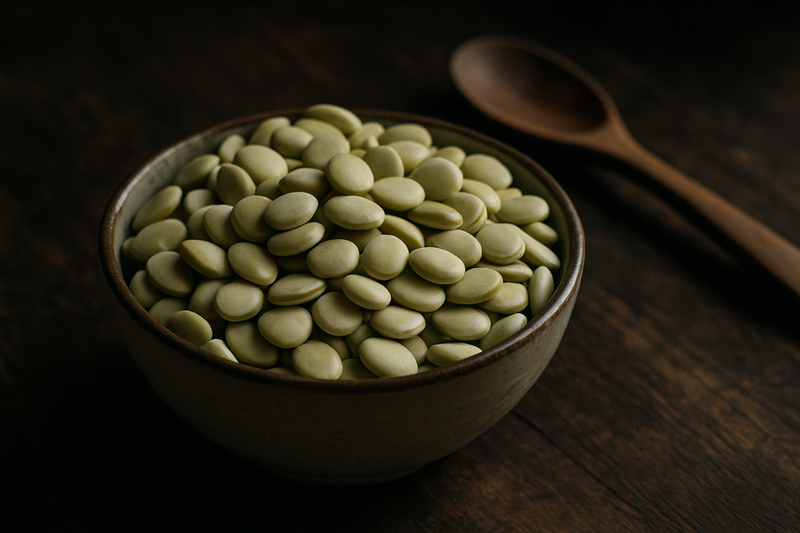
Val Dal (Split Hyacinth Bean) · Photograph
Discover val dal (hyacinth bean) health benefits and nutrition facts. Learn how this Gujarati split bean supports heart health, digestion, blood sugar, and plant-based protein needs — plus safe prep tips and evidence behind the claims.
Key Nutrients
% Daily Value based on 2,000 cal diet
Key active compounds
- Polyphenols (including flavonoids): A broad family of plant compounds with antioxidant properties. They may help dampen low-grade inflammation and support blood vessel health. The slight bitterness of val dal is partly their signature.
- Phytic acid (phytate): A natural phosphorus-storage molecule in seeds that can bind to minerals like iron, zinc, and calcium and reduce how much you absorb. Soaking and cooking reduce phytate levels significantly.
- Lectins: Proteins that bind to carbohydrates on cell surfaces. In raw or undercooked beans, lectins can irritate the gut. Thorough boiling or pressure cooking inactivates them almost completely.
- Oligosaccharides (raffinose, stachyose): Short-chain carbohydrates that your small intestine cannot break down, but your gut bacteria can ferment. This fermentation is what causes gas. Soaking, rinsing, and digestive spices all help manage this.
- Resistant starch: A type of starch that bypasses digestion in the small intestine and reaches the colon intact, where it feeds beneficial bacteria and supports short-chain fatty acid (SCFA) production — compounds linked to colon health and steadier blood sugar.
Prep and pairing ideas
Classic Gujarati val dal: Soak split val dal for 6–8 hours. Drain, rinse, then pressure-cook with water, turmeric, and salt until soft. In a separate pan, heat oil and bloom cumin seeds, a pinch of asafoetida (hing), dried red chilli, and fresh ginger. Add chopped tomatoes, cook down, then stir in the cooked dal. Finish with lemon juice and fresh coriander. The lemon does double duty: it brightens the flavour and boosts iron absorption.
Val dal and millet bowl: Pair with pearl millet (bajra) or jowar flatbread. Millet and val dal together provide complementary amino acids — the proteins they each lack, the other supplies — improving the overall protein quality of the meal without meat.
Val dal soup with spinach: Stir a handful of baby spinach into the final minutes of cooking. Spinach adds vitamin C and additional iron, reinforcing what the dal already brings.
Bottom line
Val dal is a nutritionally dense, culturally rooted Gujarati staple that earns its place in a food-as-medicine pantry. Per cooked cup, it delivers substantial plant protein, nearly half a day's iron, and generous amounts of potassium, magnesium, and zinc. The evidence base for legumes as a group — the category val dal belongs to — is among the strongest in nutritional epidemiology, linking regular consumption to meaningfully lower cardiovascular disease risk and modest benefits for longevity and blood sugar control.
The preparation rules are non-negotiable: soak, discard the soaking water, and cook until fully soft. The traditional Gujarati method — with its souring agents and digestive spices — is genuinely good science in cultural clothing. Beyond safety, those spices (cumin, ginger, asafoetida) actively improve tolerability. Add a squeeze of lemon and some vitamin C-rich vegetables, and you have optimised iron absorption too.
Val dal is not a cure for anything. But eaten consistently as part of a varied, plant-rich diet, it supports the kind of dietary pattern that decades of research links to better heart health, steadier blood sugar, and a healthier gut.
How Val Dal (Split Hyacinth Bean) Compares
| Compared with | What's different |
|---|---|
| Val Dal (Split Hyacinth Bean) vs. Toor Dal (Pigeon Pea) | Val dal has a more bitter, nutty flavor and requires longer soaking to neutralize anti-nutrients. |
| Val Dal (Split Hyacinth Bean) vs. Chana Dal (Split Chickpeas) | Val dal provides significantly more iron (8.9mg per cup) and has a distinct buttery, firm texture. |
Health Benefits
Things to Know
Always soak and cook thoroughly.: Raw or undercooked hyacinth beans contain lectins and cyanogenic compounds that can cause nausea, vomiting, and diarrhoea. Soaking for 4–8 hours (discarding the water), then boiling vigorously for at least 10 minutes before simmering, or pressure cooking until fully soft, neutralises these.
Kidney disease: Val dal is relatively high in potassium (654 mg per cup). People with advanced chronic kidney disease or those on potassium-sparing diuretics, ACE inhibitors, or ARBs (blood pressure medications that can raise potassium) should check with their doctor about portion size.
Diabetes medications: Increasing high-fibre legume intake can improve blood glucose control. If you take insulin or sulfonylureas (a class of diabetes tablet that stimulates insulin release), your doctor may need to adjust your dose to prevent low blood sugar (hypoglycaemia).
Iron overload: Val dal is a meaningful source of non-heme iron. People with haemochromatosis or other iron overload disorders should discuss intake with a clinician.
IBS and FODMAP sensitivity: Hyacinth beans are moderately high in FODMAPs (fermentable oligosaccharides, disaccharides, monosaccharides, and polyols — carbohydrates that can trigger gut symptoms in sensitive people). Start with small portions (¼ cup cooked) and increase gradually.
Iron supplement timing: Phytate in val dal can reduce iron absorption if you take iron tablets with or shortly after a legume-heavy meal. Space supplements at least 1–2 hours away from your dal serving, or include a vitamin C source in the meal to counteract phytate.
Pregnancy: Folate in val dal (about 7.8 mcg per cup cooked) is a useful dietary contributor, though much lower than supplement-level doses recommended during early pregnancy. Always follow your healthcare provider's specific folate supplement advice during pregnancy.
Legume allergy: Rare but possible. If you have had a reaction to other beans or lentils, introduce val dal cautiously.
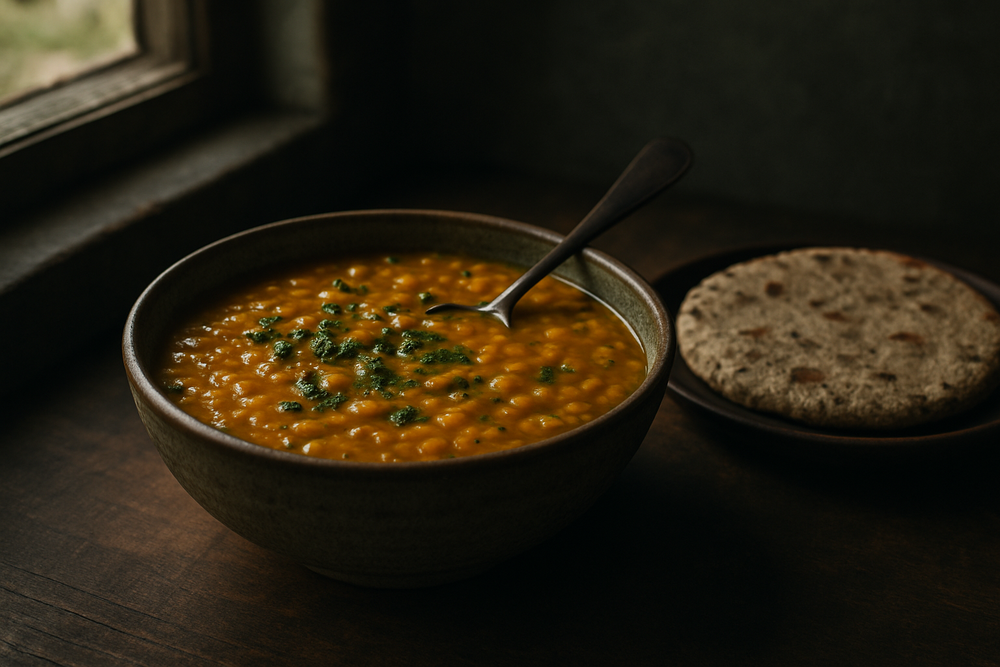
Shop This Ingredient
Stock your pantry with quality val dal (split hyacinth bean).
Buy on AmazonAs an Amazon Associate, Plantopedia earns from qualifying purchases. This costs you nothing extra and helps us keep the encyclopedia free.
Frequently Asked Questions
Heart and circulation This is where the evidence for legumes is strongest. Multiple large systematic reviews and dose–response meta-analyses (studies that examine how changing the dose changes the outcome) of prospective cohort studies — research that follows people over many years — consistently find that higher legume intake is associated with about 6–10% lower risk of cardiovascular disease and coronary heart disease compared with the lowest intakes. One meta-analysis found that eating roughly 3–4 servings per week (about 100 g cooked per serving) was linked to around 10% lower cardiovascular disease risk. Val dal fits neatly into this pattern. It is cholesterol-free, very low in saturated fat, and provides potassium, magnesium, and plant protein — all nutrients associated with heart-supportive dietary patterns. The cardiovascular benefits are clearest when legumes replace refined grains or red and processed meat, rather than simply being added on top of an already high-calorie diet. No large trials have been done specifically on hyacinth beans and heart outcomes — the evidence comes from legumes as a food group — but val dal is nutritionally aligned with the beans and lentils studied. Digestive health and microbiome Val dal is rich in dietary fibre and resistant starch, both of which travel to the colon largely intact. There, gut bacteria ferment them into SCFAs — particularly butyrate — which nourish the cells lining the colon and support a healthier gut environment. Human studies on mixed legume consumption show improvements in stool regularity and increases in beneficial gut bacteria. The oligosaccharides in val dal (raffinose and stachyose) act as prebiotics — food for your good gut bacteria — though they are also the main reason beans cause gas. The fix is straightforward: soak the split dal for at least 4–6 hours, discard that water, rinse, and cook fresh. Traditional Gujarati recipes already do this, and the spice blend (cumin seeds, asafoetida, ginger) further supports digestibility. Blood sugar and metabolism Val dal has a comparatively low glycaemic load — meaning it raises blood sugar more slowly than refined grains — because its fibre and protein slow carbohydrate absorption. Meta-analyses of legume intake in healthy populations show mixed results on type 2 diabetes incidence: the direction is generally favourable but not always statistically significant. What is clearer is that swapping val dal for white rice or bread at a meal tends to produce a smaller and steadier blood sugar rise. For people who already have diabetes, the improved blood sugar response from high-fibre legumes is well-documented, though it may also mean that glucose-lowering medications need adjusting. Inflammation and recovery Val dal's polyphenols and resistant starch have demonstrated antioxidant and potential anti-inflammatory effects in cell and animal studies, and some small human feeding studies support this. Large, long-term trials specifically on legumes and inflammatory markers are limited. The most sensible framing is that val dal contributes to an overall anti-inflammatory dietary pattern — particularly when it replaces ultra-processed foods or red meat — rather than acting as a standalone anti-inflammatory drug.
The iron-conscious vegetarian or vegan Gets nearly half the daily iron target from a single cup Can further boost absorption by adding lemon juice or tomatoes (vitamin C sources) to the dish Benefits from zinc, which is also tricky to obtain on a fully plant-based diet Someone managing cardiovascular risk through diet Gets a cholesterol-free, potassium-rich, low-saturated-fat protein source Can use val dal to replace red meat or refined-grain dishes several times a week Benefits from the fibre-driven improvements in LDL (low-density lipoprotein, sometimes called "bad cholesterol") seen across legume research
Split val dal (the traditional choice): This is the dried seed with the husk partially removed and split in two. It hydrates faster, cooks in 30–40 minutes after soaking (or 12–15 minutes in a pressure cooker), and produces a creamy, even-textured dal. This form is most consistent with the legume intake patterns studied in epidemiological research. Whole dried hyacinth beans: Require overnight soaking and longer cooking. Nutritional profile is similar per cooked cup, but they stay firmer and work better in thick stews or curries where you want a chewier texture. Sprouted hyacinth beans: Sprouting reduces some anti-nutrients and can increase vitamin content, but sprouted beans still need thorough cooking to inactivate lectins and any cyanogenic (hydrogen cyanide-producing) compounds naturally present in this species. Roasted or fried snacks: Common in Indian snack mixes. These retain protein and minerals but often carry added salt and oil — better treated as an occasional option than a daily health food. Flour or paste: Milled hyacinth bean flour is used in composite flours and batters. It still delivers plant protein and minerals, though the glycaemic impact may differ depending on how the flour is used. Bottom line: for everyday health benefits, split val dal soaked and boiled (or pressure-cooked) is your best bet — it matches tradition, matches the research, and is the most digestible form.
What the research suggests: Epidemiological data — studies tracking large groups of people over time — associate the strongest heart-health benefits with around 3–4 legume servings per week, where one serving equals roughly 100 g cooked (just over ½ cup). Dose–response analyses suggest that benefits plateau at around 400 g of legumes per week across all legume types combined. Practical starting point: If you are new to val dal or to high-fibre foods generally, start with ¼ to ½ cup cooked (about 40–85 g) and allow a week or two for your gut microbiome to adjust before increasing the portion. Regular eater: ½ to 1 cup cooked (roughly 85–175 g) per serving, eaten 2–4 times per week alongside other legumes, fits well within the legume intake ranges associated with health benefits in the literature. No one-size-fits-all ceiling: There is no established upper limit for val dal specifically. Common sense and gut comfort are the practical guides. Very large daily portions may contribute excessive potassium for people with kidney problems (see cautions above). Looking to build a broader legume-rich eating pattern? Explore plant-based goals at Plantopedia for practical meal frameworks.
Quick Answers
Common questions, answered in a line.
Val dal is a rich source of plant-based protein, iron, potassium, magnesium, and zinc. It also contains polyphenols for heart health and resistant starch that supports a healthy gut and steadier blood sugar levels.
You should soak split hyacinth beans for 4 to 8 hours, discard the soaking water, and then boil or pressure cook them until they are fully soft. Thorough cooking is essential to neutralize lectins and cyanogenic compounds that can cause digestive distress.
To reduce gas from val dal, soak and rinse the beans thoroughly before cooking and use digestive spices like cumin, ginger, and asafoetida (hing). These traditional Gujarati additions help manage the fermentation of oligosaccharides in the gut.
People with advanced chronic kidney disease or those taking medications like ACE inhibitors or potassium-sparing diuretics should consult a doctor before eating val dal. The bean is relatively high in potassium, containing 654 mg per cooked cup.
Val dal contains resistant starch and high fiber, which are linked to improved blood glucose control and a lower risk of cardiovascular disease. Because it can lower blood sugar, individuals on insulin or sulfonylureas may need medication adjustments.
Adding a squeeze of lemon juice or vitamin C-rich vegetables like spinach to val dal significantly improves the absorption of its non-heme iron. Lemon also helps counteract phytates, which are natural compounds in the beans that can bind to minerals.
Pairing val dal with millets like bajra (pearl millet) or jowar creates a complete protein source by providing complementary amino acids. This combination ensures you get high-quality plant protein similar to meat-based meals.
For Readers in the USA
Local context — sourcing, seasonality, and regional notes.
You can buy val dal at major Indian grocery chains like Patel Brothers or Specialty Food Markets, and occasionally in the international aisle of large retailers like Whole Foods. It is typically sold in clear plastic bags labeled as "Split Val," "Val Dal," or "Field Beans."
Hyacinth beans thrive in USDA Plant Hardiness Zones 10 and 11, such as parts of Florida, California, and Texas, but are often grown as annuals in cooler northern states. While they grow well in US summers, the split dried version (val dal) is available year-round in stores.
Val dal is a centerpiece of Gujarati-American cuisine, often served at community gatherings (Samaj events) and as a traditional comfort food paired with rotli or rice. It is particularly popular during winter months in North America due to its hearty, warming nature.
Yes, look for the USDA Organic seal on val dal packaging at natural food stores to ensure the beans were grown without synthetic pesticides or fertilizers. Many brands found in US Indian markets also offer "Non-GMO" verified options for those seeking minimally processed legumes.
AI Clinical Review
- Places val dal within the broader legume evidence: regular legume intake (about 3–4 servings per week) is consistently linked with modest reductions in cardiovascular risk.
- Highlights practical nutrition: a strong plant‑protein option with meaningful non‑heme iron and zinc, and notes that vitamin C at the same meal improves iron absorption.
- Emphasizes safety and digestibility: soaking, discarding soak water, and thorough boiling/pressure‑cooking to inactivate lectins and cyanogenic compounds; gradual portion increases and use of digestive spices are reasonable strategies.
- Notes realistic metabolic benefits: steadier post‑meal blood sugar when legumes replace refined grains, rather than being simply added to a high‑calorie diet.
- Most health outcomes come from studies of legumes as a group; there are few trials isolating hyacinth beans, so benefits are inferred rather than proven for this specific dal.
- Associations between legume intake and lower disease risk are largely observational; they can’t fully rule out confounding lifestyle factors. Large randomized trials on hard outcomes (e.g., heart attacks) are limited.
- Claims around microbiome and anti‑inflammatory effects are biologically plausible but mostly supported by small, short‑term studies; individual responses vary.
- Exact micronutrient values (e.g., folate, iron, zinc) can vary by variety, growing conditions, and preparation; database numbers are best viewed as approximations.
- Typical intake for most adults: 1/2–1 cup cooked per serving, eaten 2–4 times per week as part of a varied legume pattern; increase gradually if you’re new to high‑fiber foods.
- Safety first: never eat raw or undercooked hyacinth beans; sprouted beans still require full cooking. Avoid low‑temperature slow‑cooking that may not fully inactivate lectins.
- Who should check with a clinician: people with chronic kidney disease or on ACE inhibitors/ARBs/potassium‑sparing diuretics (potassium load); those with diabetes using insulin or sulfonylureas (risk of hypoglycemia as diet improves); anyone with a history of legume allergy; IBS/low‑FODMAP individuals (start with small portions).
- Iron management: helpful for plant‑forward eaters; if you have iron overload (e.g., hemochromatosis), coordinate intake with your clinician. If you take iron supplements, spacing them away from legume‑heavy meals or pairing the meal with vitamin C can improve absorption.
Soak and cook thoroughly; the split form cooks more evenly than whole.
References
- USDA FoodData Central — hyacinth beans, mature seeds, cooked: Nutrition data underlying the per-serving figures on this page. (fdc.nal.usda.gov)
- Harvard T.H. Chan School of Public Health — Legumes and Pulses overview: Summary of health evidence for legumes as a food group. (nutritionsource.hsph.harvard.edu)
- Meta-analysis: legume intake and cardiovascular disease risk (prospective cohort studies): Found ~6–10% lower CVD risk at highest legume intake levels. (pubmed.ncbi.nlm.nih.gov)
- Systematic review: legume consumption and CVD risk across prospective cohorts: Consistent inverse association between legume intake and coronary heart disease. (pmc.ncbi.nlm.nih.gov)
- Dose–response meta-analysis: legumes, coronary heart disease, and mortality: Intake of ~400 g legumes/week associated with maximal CHD risk reduction. (tandfonline.com)
- Systematic review and meta-analysis: legume consumption and all-cause and cardiovascular mortality: ~7% lower all-cause mortality at higher legume intakes. (pmc.ncbi.nlm.nih.gov)
- Review: legumes and cardiometabolic disease in prospective cohort studies: Supports neutral to favourable effects on blood sugar, blood pressure, and lipids. (pmc.ncbi.nlm.nih.gov)
- Review: role of pulses in cardiovascular disease risk: Discusses fibre, protein, and polyphenol mechanisms behind legume-heart associations. (pmc.ncbi.nlm.nih.gov)
- Prospective study: nuts, legumes, and risk of ischemic heart disease, stroke, and diabetes: Additional evidence for legumes' role in cardiometabolic health. (pmc.ncbi.nlm.nih.gov)
- Nutrition facts — hyacinth beans, mature seeds, cooked (University of Rochester Medical Center reference): Per-serving data for minerals, vitamins, and macronutrients used on this page. (urmc.rochester.edu)
Know Your Numbers
Eating healthy is a start. Now get to know your biomarkers.
Food changes bloodwork — inflammation, lipids, blood sugar and nutrient status all respond to what you eat. 59 markers from $59.
- Results in 7–10 days at 2,000+ Quest sites
- Licensed provider reviews every result
- One flat price, no membership, HSA/FSA eligible
Educational information only, not medical advice. Panels are ordered and reviewed through our licensed partner; Plantopedia may earn a commission.