Watermelon Seed Butter — health benefits and uses
Watermelon seeds are a traditional West African snack and protein source.
The Short Answer
Watermelon seed butter is a nutrient-dense, peanut-free spread containing 8 grams of protein and 140 mg of magnesium per 2-tablespoon serving. It has a mild, earthy flavor that works well in smoothies, savory sauces, or as a direct substitute for tahini and
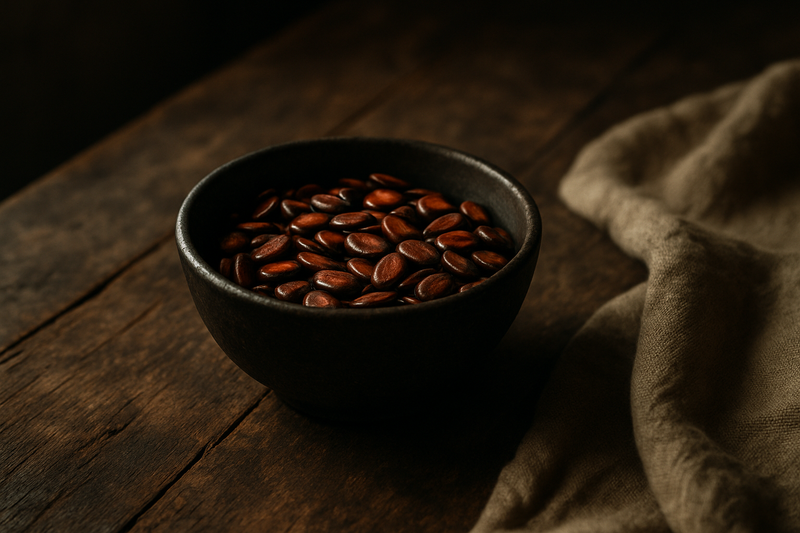
Watermelon Seed Butter · Photograph
Discover watermelon seed butter benefits, nutrition facts, and whether this peanut-free spread deserves a spot in your pantry. Learn about its protein, magnesium, zinc, and iron content, plus practical tips for using it every day.
Key Nutrients
% Daily Value based on 2,000 cal diet
Key active compounds in watermelon seed butter
- Linoleic acid — The dominant fatty acid (~52% of total fat). An essential omega-6 polyunsaturated fatty acid (meaning your body cannot make it and must get it from food). Plays a role in cell membrane structure and may support healthy lipid levels when it replaces saturated fat in the diet.
- Oleic acid — A monounsaturated omega-9 fatty acid (~10% of total fat), the same type found in olive oil. Associated with favorable cardiovascular effects.
- Palmitic acid — A saturated fatty acid (~21% of total fat). Its effects in the context of a diet rich in unsaturated fats are less concerning than when saturated fat dominates overall intake.
- α-Tocopherol (Vitamin E) — A fat-soluble antioxidant (a molecule that neutralizes harmful free radicals). Helps protect the fats in the butter — and in your body — from oxidative damage.
- Phenolic compounds — Plant-derived molecules with antioxidant activity. Found in watermelon seed oil and likely present in the butter; linked to free-radical scavenging in laboratory and animal studies.
- Magnesium, zinc, and iron — Key minerals found in meaningful amounts per serving; important for enzyme function, immune health, and oxygen transport, respectively.
Prep and pairing ideas
Watermelon seed butter has a mild, earthy, slightly nutty flavor that is less assertive than peanut butter and less bitter than some tahinis. It works well in both sweet and savory contexts.
Smoothies and smoothie bowls: Blend 1 tablespoon into a morning smoothie with banana, spinach, and plant milk. It adds creaminess, protein, and magnesium without dominating the flavor.
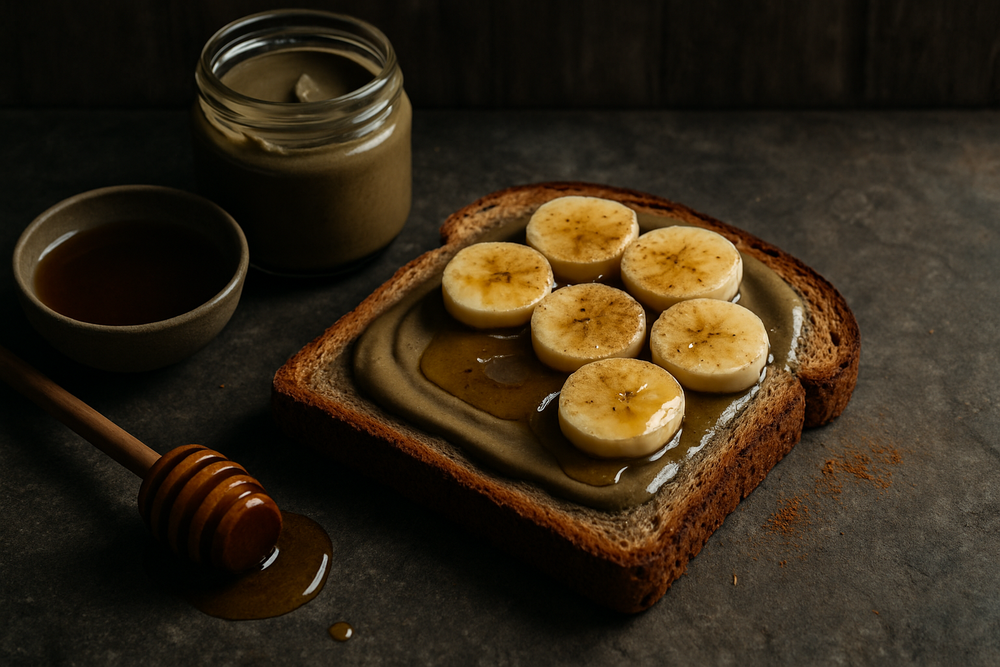
Toast and rice cakes: Spread on whole grain toast with sliced banana or a drizzle of honey. The sweet-savory combination suits its mild flavor well, and the combo delivers fiber, complex carbohydrates, and protein in one snack.
Savory sauces: Whisk 2 tablespoons with tamari (a wheat-free soy sauce), lime juice, garlic, and a little water to make a dipping sauce for spring rolls or a dressing for noodle salads. It behaves much like peanut sauce but without the peanut.
Buying guide
Fresh vs. commercial: Commercial products from established seed butter brands are your safest bet for consistent quality and accurate nutrition labeling. Small-batch or artisan products can be excellent but may have variable moisture content and shorter shelf lives.
What to look for on the label:
- Ingredient list of 1–3 items: watermelon seeds, possibly salt, possibly a small amount of oil. The shorter, the better.
- No hydrogenated or partially hydrogenated oils, which introduce trans fats.
- A clear best-by or use-by date. Given the high PUFA content, freshness matters more here than with more shelf-stable butters.
- Look for "dry roasted" rather than "oil roasted" if you want to keep the fat profile closer to the seed's natural composition.
Storage: Once opened, store in a cool, dark place or refrigerate. Refrigeration significantly slows oxidation and extends shelf life. Natural oil separation at the top of the jar is normal — stir before use.
Bottom line
Watermelon seed butter is a genuinely interesting, nutrient-dense food that earns its place in the seed-butter category. Its standout attributes are magnesium (one of the highest per-serving amounts among spreads), a favorable unsaturated fat profile, and genuine allergen friendliness for peanut- and tree-nut-sensitive households.
The honest caveat is that human clinical evidence specific to watermelon seed butter is thin. Animal research and compositional studies support the claims that the fatty acids, minerals, and antioxidants it contains are biologically useful — but no controlled trial has yet confirmed these effects in people eating the butter. That is not unusual for an emerging food product, and it does not mean the food lacks value. It means expectations should be grounded: this is a nutritious whole-food spread, not a supplement with proven therapeutic effects.
For plant-based eaters looking to diversify their mineral sources, for allergy-conscious families seeking peanut-free alternatives, or for anyone who wants a subtle, versatile spread with a strong micronutrient profile, watermelon seed butter is worth trying. Check the label, store it properly, and enjoy it as part of a varied diet.
How Watermelon Seed Butter Compares
| Compared with | What's different |
|---|---|
| Watermelon Seed Butter vs. Tahini (Sesame Butter) | Lower in protein but significantly higher in magnesium and iron per serving. |
| Watermelon Seed Butter vs. Sunflower Seed Butter | Offers 8g of protein per serving and a milder, earthier flavor profile. |
| Watermelon Seed Butter vs. Peanut Butter | A creamy, peanut-free alternative with a less sweet, more neutral seed taste. |
Health Benefits
Things to Know
Allergen note: Watermelon seed butter is naturally peanut-free and tree-nut-free. However, if you have a known seed allergy (e.g., sesame, sunflower), cross-reactivity is possible. If you have a melon allergy — including reactions to watermelon fruit — check with an allergist before trying the seeds, as some proteins may be shared. Manufacturing cross-contamination is also possible; read labels carefully.
Energy density: At ~190 calories per 2-tablespoon serving, this is a calorie-dense food. Portion awareness matters, especially for those managing weight.
Fat-restricted diets: People with conditions that require fat restriction — including certain pancreatic or gallbladder disorders, or fat malabsorption conditions — should consult a dietitian before adding high-fat seed butters to their diet.
Iron overload: If you have hemochromatosis (a genetic condition causing excess iron accumulation) or are on an iron-restricted diet, the iron content (~2 mg per serving) is worth factoring in.
Kidney disease: Those who must limit potassium or magnesium intake should discuss portion sizes with a renal dietitian.
Medication considerations: No specific drug interactions are documented for watermelon seed butter. However, if you take blood pressure medications, diuretics, or diabetes medications, note that this spread contributes meaningful amounts of magnesium and potassium, and can affect post-meal blood sugar dynamics. Let your healthcare provider know about significant dietary additions.
Children: Safe in age-appropriate textures and portions. Monitor total calorie intake from energy-dense spreads.
Pregnancy: No specific contraindications, but the contribution of iron, magnesium, and zinc is worth discussing with your midwife or doctor as part of overall diet planning.
Freshness: Seed butters high in polyunsaturated fats (PUFAs) are prone to oxidation (going rancid). Check the best-by date and store properly.
Glossary
Shop This Ingredient
Stock your pantry with quality watermelon seed butter.
Buy on AmazonAs an Amazon Associate, Plantopedia earns from qualifying purchases. This costs you nothing extra and helps us keep the encyclopedia free.
Frequently Asked Questions
Research is promising but early. The following summaries distinguish between what animal and compositional studies suggest and what has actually been tested in humans — because those are very different things. Heart and circulation Watermelon seed butter is high in unsaturated fatty acids — primarily linoleic and oleic acids — which, as a category, are associated with improved cholesterol profiles when they replace saturated fats in the diet. Magnesium, potassium, and zinc all play supporting roles in vascular (blood vessel) function and blood pressure regulation. In rat studies, watermelon seed oil lowered total cholesterol, triglycerides (a type of blood fat), and LDL (often called "bad" cholesterol) while raising HDL ("good" cholesterol) and increasing antioxidant enzymes. These results are encouraging but have not been replicated in controlled human trials. Until they are, the cardiovascular angle is best described as biologically plausible rather than clinically proven. Digestive health and microbiome Each serving provides about 1 g of fiber — modest compared to whole seeds or higher-fiber spreads like almond butter. This is unlikely to move the needle on bowel regularity on its own, but the fat and protein content may support satiety (the feeling of fullness) and help slow digestion when eaten with a meal. No human studies have examined watermelon seed butter specifically for gut or microbiome outcomes. Blood sugar and metabolism The macronutrient profile — high fat, moderate protein, low carbohydrate — is the type that tends to produce a slower rise in blood sugar after eating compared to a high-carb spread. In one rat study, watermelon seed oil improved glucose tolerance. However, this has not been tested in humans, and any blood sugar benefit should be considered speculative at this stage. People managing diabetes should count this spread as part of their overall fat and calorie intake. Inflammation and recovery Animal research found that watermelon seed oil increased levels of antioxidant enzymes — specifically SOD (superoxide dismutase) and CAT (catalase), which are proteins the body makes to neutralize damaging molecules — and reduced MDA (malondialdehyde), a marker of oxidative stress (cell damage caused by unstable molecules). The vitamin E and phenolic compounds in the seeds likely contribute to this effect. No human inflammatory marker studies exist for watermelon seed butter yet. Hormones and cycle health Magnesium, zinc, and iron are all involved in hormone synthesis and signaling. Magnesium in particular is regularly studied for its role in insulin sensitivity and stress hormone regulation, and zinc is critical for reproductive hormone pathways. However, these connections are inferred from general nutritional science — no human studies have specifically investigated watermelon seed butter for hormonal outcomes.
Roasted, plain (unsweetened) butter This is the most nutritionally straightforward option. The ingredient list should be short: roasted watermelon seeds, possibly a touch of oil and salt. Roasting develops flavor and makes blending easier, and research on watermelon seed oil suggests the lipid fraction retains its beneficial fatty acid profile and antioxidant compounds after processing. Flavored or sweetened varieties Some brands add cacao, maple syrup, or spices. These can be enjoyable, but they add sugar and calories. If you're using watermelon seed butter partly for its mineral density, a plain version keeps the micronutrient-to-calorie ratio more favorable. Homemade from roasted seeds Perfectly viable. Roast raw watermelon seeds at a moderate oven temperature (around 160–175°C / 325–350°F) for 10–15 minutes, then blend for 8–10 minutes until the natural oils release and a smooth butter forms. Add a pinch of salt and a small drizzle of neutral oil if needed for texture. The nutritional profile should closely match commercial versions. Watermelon seed oil A related but distinct product — cold-pressed from the seeds. Most of the preclinical research has been done on the oil, not the butter. The oil is used as a culinary fat or skin-care ingredient. If your interest is specifically in the fatty acid and antioxidant research, the oil is the more studied form, though the butter delivers protein and minerals the oil does not.
No clinical dosage has been established for watermelon seed butter. It is a food, not a supplement, and there is no formal upper limit. Practical guidance: 1–2 tablespoons (15–32 g) per day is a reasonable starting point for most adults, consistent with how other seed butters are used. At 2 tablespoons, you're getting 190 calories, 8 g protein, 16 g fat, 35% DV magnesium, and 20% DV zinc. This is a meaningful nutrient contribution but not a therapeutic dose of any specific compound. Start with 1 tablespoon if your digestive system is not accustomed to high-fat seeds. Some people experience mild GI discomfort when adding concentrated fat sources quickly. Context within your overall diet matters more than the absolute amount. If you are already eating multiple high-fat foods, adding 2 tablespoons of seed butter adds significant calories. If you are replacing a less nutritious spread, the trade-off is likely positive. Those with kidney disease, iron overload, or on specific dietary prescriptions should discuss exact amounts with their healthcare team.
Quick Answers
Common questions, answered in a line.
Watermelon seed butter contains meaningful amounts of magnesium, zinc, and iron, along with α-Tocopherol (Vitamin E) and phenolic antioxidants. It is also rich in essential linoleic acid and heart-healthy oleic acid, providing a nutrient-dense profile in every serving.
Watermelon seed butter is naturally peanut-free and tree-nut-free, making it a safe alternative for households with those specific allergies. However, individuals with melon or specific seed allergies should consult an allergist, as cross-reactivity or shared proteins may occur.
You can use watermelon seed butter in smoothies, spread it on whole grain toast with honey, or whisk it into savory sauces with tamari and lime. Its mild, earthy flavor makes it a versatile substitute for peanut butter or tahini in both sweet and savory dishes.
Once opened, you should store watermelon seed butter in a cool, dark place or refrigerate it to significantly slow oxidation. Because it is high in polyunsaturated fats, refrigeration helps extend its shelf life and prevents the butter from going rancid.
Look for watermelon seed butter with a short ingredient list of one to three items, such as seeds, salt, and a small amount of oil. It is best to choose "dry roasted" varieties and avoid products containing hydrogenated oils or trans fats.
Watermelon seed butter contains approximately 190 calories and 2 mg of iron per 2-tablespoon serving. Because it is an energy-dense food, portion awareness is important for weight management and for those who must monitor their iron intake.
Individuals with kidney disease who must limit magnesium or potassium intake should discuss portion sizes with a renal dietitian before eating watermelon seed butter. It is also recommended for those with fat malabsorption or iron overload conditions to consult a professional first.
For Readers in the USA
Local context — sourcing, seasonality, and regional notes.
You can find watermelon seed butter at major U.S. retailers like Whole Foods Market, Sprouts Farmers Market, and increasingly at Kroger or via online platforms like Amazon and Thrive Market. While still a niche product, it is gaining shelf space in the "natural" or "alternative nut butter" aisles alongside tahini and sunflower butter.
Watermelon seed butter is an excellent choice for American schools because it is naturally free from the "Top 9" allergens, including peanuts and tree nuts. Many U.S. school districts have implemented nut-free policies, making this spread a compliant, protein-rich alternative for packed lunches and snacks.
Look for the USDA Organic seal and the Non-GMO Project Verified label on watermelon seed butter jars to ensure the seeds were grown without synthetic pesticides or genetic modification. These U.S. certifications provide third-party oversight on farming practices and ingredient sourcing for health-conscious consumers.
While watermelons are harvested in U.S. states like Florida, Texas, and Georgia during the summer, the seeds are dried and processed so the butter remains available year-round. Commercial producers typically use specific high-seed varieties that are harvested at peak maturity to ensure the seeds are nutrient-dense before being roasted and ground.
AI Clinical Review
- Clearly presents watermelon seed butter as a peanut- and tree‑nut‑free option, which is practical for allergy‑aware households.
- Gives a realistic nutrition snapshot: roughly 190 kcal, ~8 g protein per 2 Tbsp, and notably high magnesium and zinc; fats are mainly linoleic (omega‑6) and oleic (omega‑9).
- Appropriately separates compositional/animal data from human outcomes and avoids overstating benefits.
- Offers sound, consumer‑level advice on ingredient lists and storage, noting the higher oxidation risk of PUFA‑rich spreads.
- Most cited research examines whole seeds or seed oil, not the finished butter; effects on cholesterol, glucose, or inflammation in humans remain untested.
- Cardiometabolic benefits seen in animals may not translate to typical human portions or eating patterns; controlled human trials are needed.
- Mineral bioavailability (how well magnesium, zinc, and iron are absorbed) from this matrix is not well characterized; phytates in seeds can reduce absorption, and roasting/processing may change this.
- No human data yet on microbiome or digestive outcomes; fiber content per serving is modest, so large effects are unlikely.
- Portion guidance: 1–2 Tbsp (about 15–32 g) fits most diets; it’s calorie‑dense, so adjust to your energy needs and overall fat intake.
- Allergy and intolerance: though peanut‑ and tree‑nut‑free, people with seed or melon allergies should be cautious; always check labels for cross‑contact warnings.
- Medical considerations: those with kidney disease (magnesium/potassium limits), iron overload, or fat‑restricted diets (e.g., pancreatitis, gallbladder issues, malabsorption) should discuss use and portions with a clinician. If you take diuretics, blood‑pressure, or diabetes medications, note that minerals and meal composition can affect responses.
- Form and storage: plain, unsweetened butters keep the micronutrient‑to‑calorie ratio favorable; the oil is more studied for fatty‑acid effects but lacks the protein/minerals of the butter. Refrigerate after opening to slow rancidity and stir separated oils before use.
Generally allergen-friendly; a niche product, check freshness.
References
- USDA FoodData Central — nutrient database for seeds and seed products (fdc.nal.usda.gov)
- Nutritional composition of Citrullus lanatus seed and seed oil — rat cardiometabolic study; PubMed ID 34002399 (pubmed.ncbi.nlm.nih.gov)
- IOSRPHR comprehensive review on watermelon seed oil — fatty acid profile, antioxidant properties, health effects (iosrphr.org)
- IJCSP formulation and nutrient analysis paper on watermelon seed butter — macros and mineral content per 100 g (rjpn.org)
- 88 Acres brand nutrition label for roasted watermelon seed butter — serving-level micronutrient data (88acres.com)
- PlantBasedFAQs — summary of watermelon seed butter nutrition and practical benefits (plantbasedfaqs.com)
- MyFoodData tool — roasted watermelon seed butter detailed nutrition facts (tools.myfooddata.com)
- Well+Good feature on watermelon seed butter — mineral profile and emerging market context (wellandgood.com)
- NIH Office of Dietary Supplements — Magnesium fact sheet for consumers (ods.od.nih.gov)
- NIH Office of Dietary Supplements — Zinc fact sheet for consumers (ods.od.nih.gov)
Know Your Numbers
Eating healthy is a start. Now get to know your biomarkers.
Food changes bloodwork — inflammation, lipids, blood sugar and nutrient status all respond to what you eat. 59 markers from $59.
- Results in 7–10 days at 2,000+ Quest sites
- Licensed provider reviews every result
- One flat price, no membership, HSA/FSA eligible
Educational information only, not medical advice. Panels are ordered and reviewed through our licensed partner; Plantopedia may earn a commission.