Pistachios are a nutritional powerhouse for heart health and metabolic defense. Learn about their complete plant-based protein, unique carot
Healthy fats, minerals, and texture; small-amount high-leverage add-in
The Short Answer
Pistachios are a heart-healthy snack providing 5.7 grams of complete plant protein and 28% of the daily value for Vitamin B6 per ounce. They are unique among nuts for their high levels of lutein and zeaxanthin, which support eye health.

Pistachios · Photograph
In modern wellness, pistachios serve as a critical tool for cardiovascular and antioxidant support. Their high concentrations of gamma-tocopherol (Vitamin E) and lutein help address oxidative stress that can lead to chronic inflammation. For those following plant-based diets, pistachios provide a rare, high-quality protein source that supports tissue repair and immune function without the saturated fats found in animal products.
Key Nutrients
% Daily Value based on 2,000 cal diet
Key Takeaways
- 1. One of the rare plant foods containing all nine essential amino acids necessary for muscle repair and cellular function.
- 2. High levels of arginine and phytosterols support blood vessel elasticity and healthy cholesterol management.
- 3. Boasts an antioxidant capacity comparable to blueberries, featuring unique compounds like lutein and gamma-tocopherol.
- 4. A low glycemic index combined with healthy fats and fiber helps stabilize post-meal blood sugar levels.
- 5. The "pistachio principle"—eating them in-shell—promotes mindful consumption and portion control.
Why Pistachios' Health Benefits Matter
In modern wellness, pistachios serve as a critical tool for cardiovascular and antioxidant support. Their high concentrations of gamma-tocopherol (Vitamin E) and lutein help address oxidative stress that can lead to chronic inflammation. For those following plant-based diets, pistachios provide a rare, high-quality protein source that supports tissue repair and immune function without the saturated fats found in animal products.
Key Active Compounds
- Gamma-Tocopherol: The primary form of Vitamin E in pistachios, offering significant protection against lipid peroxidation.
- Lutein and Zeaxanthin: Carotenoids essential for eye health and protecting cells from light-induced oxidative damage.
- Arginine: An amino acid precursor to nitric oxide, which helps relax blood vessels and improve circulation.
- Phytosterols: Plant compounds that compete with cholesterol for absorption, aiding in heart health.
- Anthocyanins: Antioxidant pigments that contribute to the nut's unique color and anti-inflammatory properties.
Conclusion
Pistachios are among the most nutritionally complete and heart-healthy snacks available. Their unique combination of complete plant protein, high-capacity antioxidants, and blood-pressure-supporting minerals makes them a versatile cornerstone of a modern diet.
By choosing unsalted, in-shell varieties and consistently consuming them, you can support long-term metabolic health and cardiovascular resilience. Looking to incorporate pistachios into your daily routine? Our meal planner can help you find delicious, balanced ways to enjoy these nutritious nuts as part of your personalized eating plan.
How Pistachios Compares
| Compared with | What's different |
|---|---|
| Pistachios vs. Cashews | Higher in Vitamin B6 and copper, while cashews provide more Vitamin K. |
| Pistachios vs. Walnuts | Lower in calories per serving and contains higher levels of lutein for eye health. |
| Pistachios vs. Almonds | Contains all nine essential amino acids, making it a complete protein source. |
Health Benefits
Things to Know
Tree Nut Allergy: Pistachios are a major allergen. If you have a known allergy to cashews or mangoes, be cautious due to potential cross-reactivity.
Calorie Density: While nutritious, nuts are high in calories. Stick to a 1–2 ounce portion (approx. 49–98 kernels) to avoid unintended weight gain.
FODMAP Sensitivity: Pistachios are high in fructans and GOS, which may cause bloating in individuals with IBS. Start with tiny portions.
Sodium Awareness: Salted varieties can quickly exceed daily sodium limits. Always prioritize unsalted or "lightly salted" options.
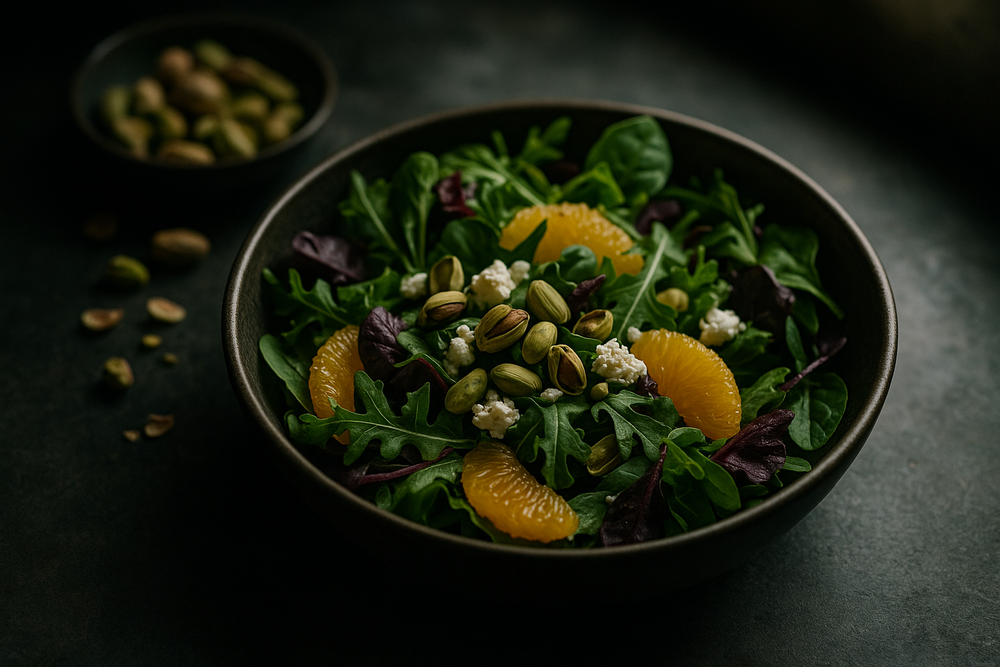
The Antioxidant Power-Up: Pair pistachios with fresh berries or citrus; the Vitamin C in the fruit enhances the absorption of the plant-based minerals in the nuts.
The Probiotic Crunch: Add chopped pistachios to Greek yogurt. The prebiotic fiber in the nuts supports the live cultures in the yogurt for a gut-health double win.
The Mindful Snack: Always buy in-shell pistachios. Research shows that seeing the empty shells provides a visual cue that reduces total intake.
Standard Serving: 1 ounce (approx. 49 kernels) is the most common serving size for health maintenance.
Therapeutic Range: Many clinical studies use 1.5 to 2 ounces daily to see significant improvements in lipid profiles.
Beginners: Start with 1 ounce and ensure you are substituting them for less healthy snacks rather than simply adding them to a high-calorie diet.
Common Uses
- —A convenient, shelf-stable source of complete protein for active individuals and athletes.
- —Consumed as a snack to bridge meals without triggering significant insulin spikes.
- —Added to salads, grain bowls, and yogurts to boost healthy fat and mineral intake.
- —Utilized for its high potassium and magnesium content to support nerve function and recovery.
Active Compounds
The primary form of Vitamin E in pistachios, offering significant protection against lipid peroxidation.
Carotenoids essential for eye health and protecting cells from light-induced oxidative damage.
An amino acid precursor to nitric oxide, which helps relax blood vessels and improve circulation.
Plant compounds that compete with cholesterol for absorption, aiding in heart health.
Antioxidant pigments that contribute to the nut's unique color and anti-inflammatory properties.
Best Forms
The gold standard for portion control. The physical act of shelling the nuts slows consumption, leading to fewer calories.
Best for cardiovascular health. Avoids the excess sodium that can counteract the blood pressure benefits of the nut's potassium.
Preserves heat-sensitive antioxidants and Vitamin E forms that may be slightly reduced during high-heat roasting.
Prep Ideas
- — The Antioxidant Power-Up: Pair pistachios with fresh berries or citrus; the Vitamin C in the fruit enhances the absorption of the plant-based minerals in the nuts.
- — The Probiotic Crunch: Add chopped pistachios to Greek yogurt. The prebiotic fiber in the nuts supports the live cultures in the yogurt for a gut-health double win.
- — The Mindful Snack: Always buy in-shell pistachios. Research shows that seeing the empty shells provides a visual cue that reduces total intake.
Glossary
Shop This Ingredient
Stock your pantry with quality pistachios.
Buy on AmazonAs an Amazon Associate, Plantopedia earns from qualifying purchases. This costs you nothing extra and helps us keep the encyclopedia free.
Frequently Asked Questions
Research suggests 1-2 ounces (about 49-98 kernels) daily provides optimal benefits. Start with 1 ounce and adjust based on your overall calorie needs and tolerance. This amount provides significant antioxidants and nutrients without excessive calories. It is essential to replace these with less unhealthy snacks to maintain a balanced caloric intake.
Yes, studies show pistachios may support cardiovascular health through multiple mechanisms. They contain arginine for blood vessel function, potassium for blood pressure support, and phytosterols that may help manage cholesterol. The monounsaturated fats and fiber also contribute to heart health. Consistent intake is associated with improved lipid profiles and arterial elasticity.
Emerging research suggests that pistachios may help manage blood sugar due to their fiber content, complete protein, and relatively low glycemic impact. However, portion control is essential since nuts are calorie-dense. They work best as part of a balanced eating plan, replacing refined carbohydrates that cause glucose spikes.
Both forms offer health benefits, but raw pistachios preserve more heat-sensitive compounds, such as antioxidants. Roasted pistachios remain nutritious but may have slightly lower levels of specific bioactive compounds. Choose unsalted varieties to avoid excess sodium. Regardless of the form, the fiber and healthy fat content remain largely stable during roasting.
Pistachios contain a unique combination of vitamin E (especially gamma-tocopherol), carotenoids like lutein and zeaxanthin, phenolics, and flavonoids. Cornell University research found that its antioxidant capacity rivals that of well-known antioxidant foods like blueberries and pomegranates. These compounds give pistachios their green and purple colors while protecting cells from oxidative stress.
Quick Answers
Common questions, answered in a line.
Pistachios are a rare, high-quality complete plant protein source that contains all essential amino acids necessary for tissue repair and immune function. This makes them a critical tool for those following plant-based diets who want to avoid the saturated fats found in animal products.
Pistachios contain arginine, an amino acid precursor to nitric oxide that helps relax blood vessels and improve circulation. They also provide phytosterols, which compete with cholesterol for absorption to enhance cardiovascular resilience.
Pistachios are rich in the carotenoids lutein and zeaxanthin, which are essential for eye health and protecting cells from light-induced oxidative damage. These antioxidants contribute to the nut's status as a nutritional powerhouse for metabolic defense.
Yes, pistachios contain prebiotic fiber that supports live cultures, especially when paired with probiotic foods like Greek yogurt for a gut-health double win. However, they are high in fructans and GOS, so individuals with IBS should start with small portions to avoid bloating.
To manage weight effectively, you should prioritize buying in-shell pistachios because the empty shells provide a visual cue that reduces total intake. Experts recommend sticking to a 1–2 ounce portion (roughly 49–98 kernels) to avoid unintended weight gain from their calorie density.
Pistachios contain high concentrations of gamma-tocopherol (Vitamin E) and anthocyanin pigments, which help address oxidative stress and chronic inflammation. These compounds work together to support long-term metabolic health and tissue protection.
Pistachios provide high levels of potassium and magnesium, which are essential minerals for supporting nerve function and muscle recovery. This makes them a convenient, shelf-stable snack for active individuals and athletes.
For Readers in the USA
Local context — sourcing, seasonality, and regional notes.
California produces over 99% of the U.S. pistachio crop, with the harvest typically occurring between late August and early October. While the trees grow best in the San Joaquin Valley’s arid climate, the nuts are shelf-stable and available year-round in every state.
Pistachios are widely available at major U.S. retailers like Costco, Trader Joe's, and Kroger, often sold under domestic brands like Wonderful or 365 Whole Foods Market. You can find them in the snack aisle or bulk bins, frequently categorized as "California Grown" to denote their domestic origin.
While the FDA does not require a specific "heart-healthy" label for all nuts, many U.S. pistachio brands carry a qualified health claim stating that eating 1.5 ounces of nuts per day may reduce the risk of heart disease. Look for the USDA Organic seal if you want nuts grown without synthetic pesticides, as organic options are increasingly common in American health food stores.
American-grown pistachios are almost exclusively the Kerman variety, known for their large size, crisp texture, and reliable "split" which makes them easy to open. Unlike some imported Iranian or Turkish varieties that may be smaller or used primarily for oils, the California Kerman is the U.S. standard for snacking and culinary use.
AI Clinical Review
- Pistachios are nutrient-dense: about 160 calories per ounce with ~6 g protein, ~3 g fiber, and meaningful potassium, magnesium, vitamin B6, and copper.
- Including pistachios in a heart-healthy pattern (e.g., Mediterranean/DASH) can improve cholesterol and other cardiometabolic markers, especially when they replace refined carbs or saturated fats.
- They provide several antioxidants (gamma tocopherol/vitamin E, lutein, zeaxanthin, and phenolics), which likely contribute to their cardiometabolic benefits.
- A practical intake of 1–2 oz (about 49–98 kernels) per day aligns with amounts commonly used in clinical studies and balances calories.
- “Complete protein”: pistachios contain all nine essential amino acids, but the total protein and leucine per serving are modest; muscle-building effects depend on overall daily protein quality and quantity.
- Antioxidant "rankings" come mainly from lab assays (in vitro), which don’t always translate directly into reductions in disease risk in people; longer, real-world trials are needed.
- Microbiome and blood sugar benefits are promising but based on small studies; effects are generally modest and depend on what pistachios displace in the diet.
- Reported amounts of carotenoids and vitamin E vary by cultivar, processing, storage—and even by the units used—so exact numbers can differ across sources.
- Portion control matters: start around 1 oz/day and adjust to your calorie needs; shelling pistachios can slow down eating and help you be mindful of portions.
- Allergies: pistachios are tree nuts; individuals with nut allergies (especially to cashew/mango due to potential cross-reactivity) should avoid and carry prescribed epinephrine.
- Digestive tolerance: Pistachios are relatively high in FODMAPs, so people with IBS may need smaller portions and to monitor symptoms.
- Cardiometabolic context: choose unsalted varieties to limit sodium intake; those with advanced kidney disease or on potassium-sparing medications should review potassium intake with their clinician.
Mention allergy context where appropriate; keep serving size realistic.
References
- USDA FoodData Central - Pistachio nutrition data (fdc.nal.usda.gov)
- Nutrition attributes and health effects of pistachio nuts (nuthealth.org)
- Cornell University antioxidant study in the Nutrients journal (americanpistachios.org)
- Pistachios for Health: What Do We Know About This Multifaceted Nut? PMC review (pmc.ncbi.nlm.nih.gov)
- Nutritional and bioactive characterization of pistachio review (explorationpub.com)
- WebMD pistachios health benefits overview (webmd.com)
- Nutrivore pistachio nutrient profile (nutrivore.com)
Know Your Numbers
Eating healthy is a start. Now get to know your biomarkers.
Food changes bloodwork — inflammation, lipids, blood sugar and nutrient status all respond to what you eat. 59 markers from $59.
- Results in 7–10 days at 2,000+ Quest sites
- Licensed provider reviews every result
- One flat price, no membership, HSA/FSA eligible
Educational information only, not medical advice. Panels are ordered and reviewed through our licensed partner; Plantopedia may earn a commission.