Discover how the unique matrix of resistant starch energy, potassium, and vitamin C supports heart health and gut diversity—an evidence-base
Plant-based energy base; pair with legumes/vegetables for a complete meal
The Short Answer
Potatoes are a nutrient-dense starch providing 620mg of potassium and 45% of your daily Vitamin C per medium serving. They are best prepared baked or boiled with the skin on to preserve fiber and antioxidants.

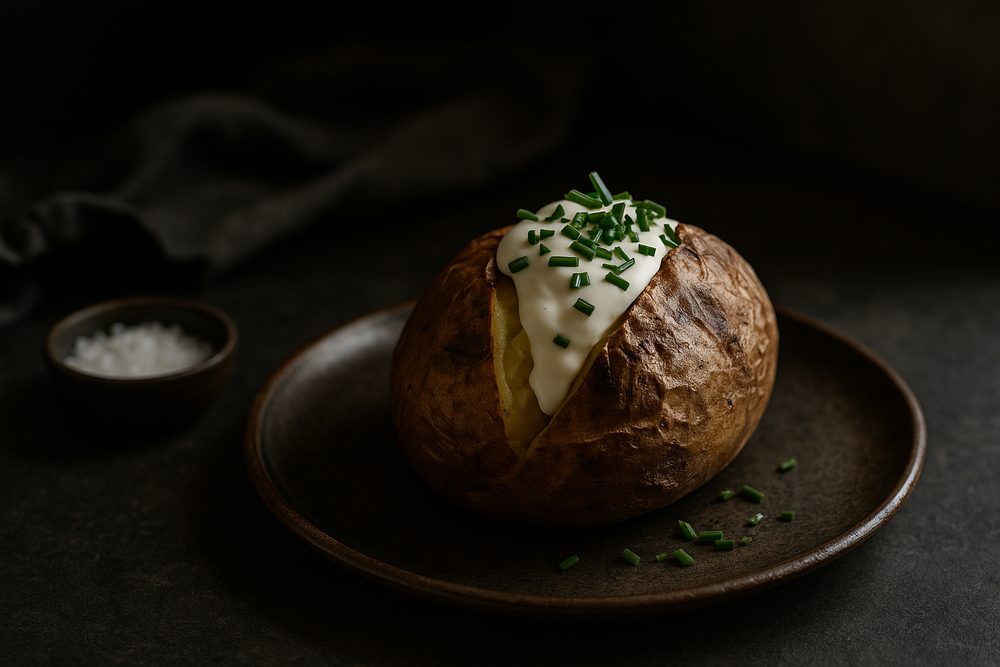
Potato · Photograph
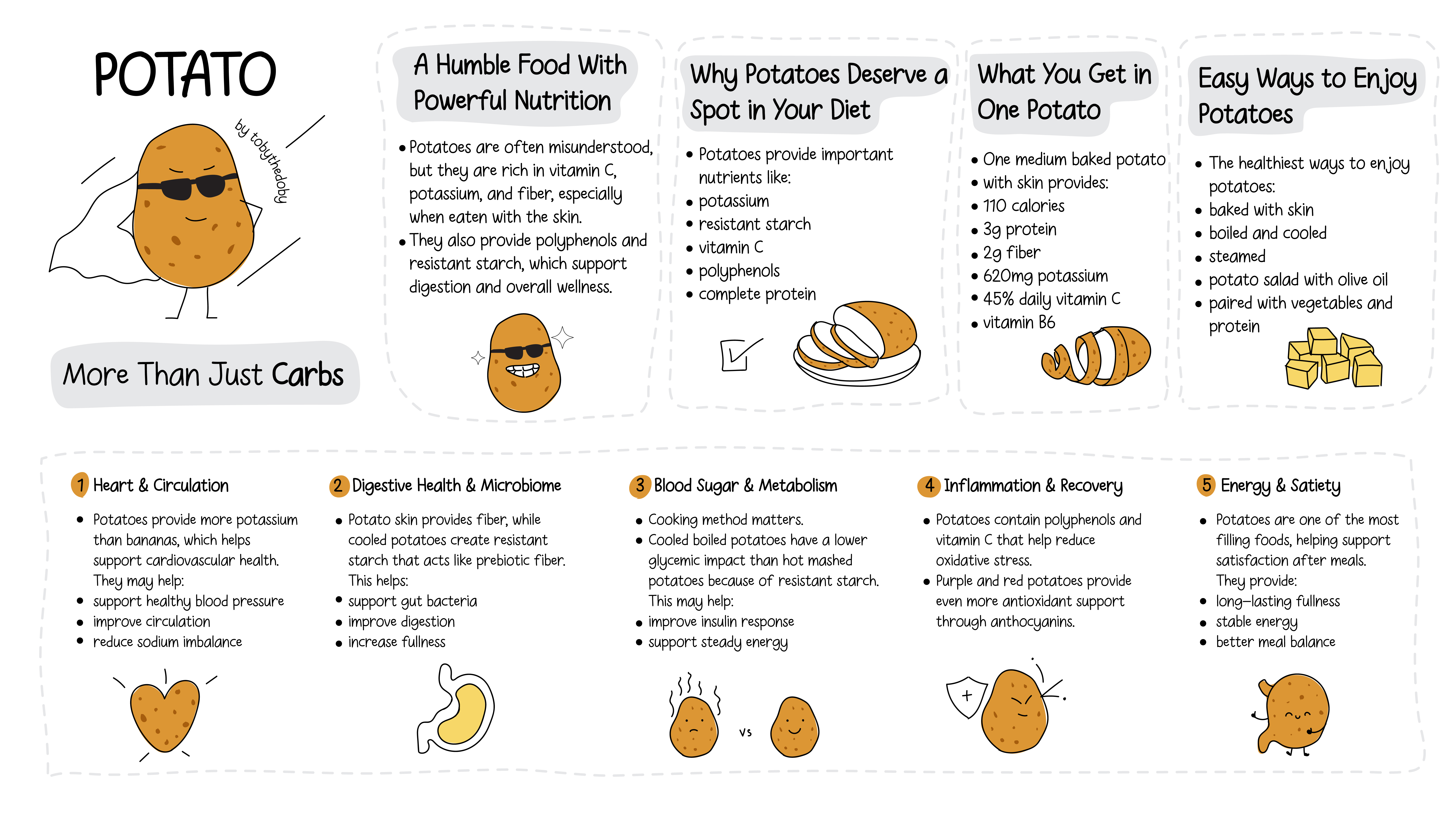
Potatoes deliver exceptional nutritional value per calorie. A single medium baked potato with the skin intact provides 45% of your daily vitamin C needs and significantly more potassium than a banana. Furthermore, potatoes contain high-quality protein with a balanced profile of all nine essential amino acids.
Key Nutrients
% Daily Value based on 2,000 cal diet
Why Potato Nutrition Matters for Your Health
Potatoes deliver exceptional nutritional value per calorie. A single medium baked potato with the skin intact provides 45% of your daily vitamin C needs and significantly more potassium than a banana. Furthermore, potatoes contain high-quality protein with a balanced profile of all nine essential amino acids.
The health value depends heavily on preparation. While deep-frying creates inflammatory byproducts, baking or boiling potatoes—especially when allowed to cool—retains the starch energy in a form that supports metabolic health.
Key Active Compounds: More than Just Starch
While potatoes provide essential starch energy, they also contain a complex matrix of bioactive compounds:
- Polyphenols: These make up 90% of potato antioxidants and are largely concentrated in the peel.
- Chlorogenic Acid: The primary phenolic compound in potatoes, which may support blood pressure regulation.
- Resistant Starch: A unique type of starch that forms when potatoes are cooked and then cooled. It bypasses the small intestine and feeds beneficial gut bacteria.
- Anthocyanins: Found in purple and red varieties, these pigments offer potent anti-inflammatory protection.
- Vitamin C: A powerful antioxidant that supports immune function and collagen synthesis.
Conclusion
Potato nutrition offers genuine, science-backed health benefits when you prioritize whole-food preparations over processed alternatives. By keeping the nutrient-dense skin intact and utilizing specific cooling techniques to maximize the formation of resistant starch, you effectively transform a humble tuber into a high-performance functional health food.
Potatoes provide the clean, sustainable starch energy required for an active lifestyle while simultaneously delivering a sophisticated array of essential vitamins, minerals, and antioxidants. When integrated into a balanced diet alongside lean proteins and healthy fats, the potato serves as a cornerstone of cardiovascular resilience, metabolic stability, and long-term digestive wellness for people of all ages. Ready to plan balanced meals with potatoes? Our meal planner helps you create nutritious combinations that work with your health goals.
How Potato Compares
| Compared with | What's different |
|---|---|
| Potato vs. Sweet Potato | Higher in sugar and Vitamin A, while white potatoes have more potassium and Vitamin C. |
| Potato vs. Quinoa | Higher in protein and fiber, but lacks the Vitamin C found in potatoes. |
Health Benefits
Things to Know
Blood Sugar Management: If you have diabetes, prioritize boiled, cooled potatoes over hot mashed potatoes to lower glycemic impact.
Potassium Sensitivity: Individuals with advanced kidney disease or those on potassium-sparing medications should consult their doctor regarding portion sizes.
The "Green" Rule: Avoid eating potatoes with green-tinged skin or sprouts. These contain solanine, a natural glycoalkaloid that can be toxic in large amounts.
Storage: Keep potatoes in a cool, dark place. Do not refrigerate raw potatoes, as this converts their starch energy into sugars (cold-induced sweetening).
Common Uses
- —Consuming boiled and cooled potato salads to maximize resistant starch for better digestion and metabolic health.
- —Using baked potatoes as a "clean starch" to replenish muscle glycogen and provide the potassium lost through sweat.
- —Replacing high-sodium side dishes with steamed or baked potatoes (no added salt) to utilize their natural vasodilatory effects.
- —Including a whole baked potato in meals to increase fullness and reduce the urge for late-day snacking.
- —Choosing purple or red-skinned potatoes to increase intake of anthocyanins, the same anti-inflammatory pigments found in berries.
- —Pairing potatoes with plant-based proteins; the high Vitamin C content in the potato helps the body absorb non-heme iron.
Glossary
Shop This Ingredient
Stock your pantry with quality potato.
Buy on AmazonAs an Amazon Associate, Plantopedia earns from qualifying purchases. This costs you nothing extra and helps us keep the encyclopedia free.
Frequently Asked Questions
No. Unlike refined grains, potatoes are nutrient-dense. A medium potato provides nearly half your daily Vitamin C and more potassium than most fruits. The "empty carb" myth stems from processed versions like chips and fries, which add excessive sodium and inflammatory fats while stripping away the fiber-rich skin.
Yes. When a cooked potato cools, a process called retrogradation occurs. This converts some of the digestible starch energy into resistant starch. This unique fiber behaves like a prebiotic, feeding healthy gut bacteria and resulting in a slower, more stable rise in blood sugar than when eaten hot.
Yes. To get the most out of potato nutrition, you must eat the skin. The peel contains roughly 90% of the potato’s antioxidants and about half of its total fiber. Most of the beneficial chlorogenic acid is located just beneath the surface, so peeling significantly reduces the fruit's anti-inflammatory potential.
Both are nutritious, but purple potatoes offer an "extra" benefit: anthocyanins. These are the same antioxidants found in blueberries that protect cells from oxidative stress. White potatoes, however, are often slightly higher in Vitamin C. Including a variety of colors ensures you get a full spectrum of protective polyphenols.
Potatoes are excellent for blood pressure because they are naturally sodium-free and exceptionally high in potassium. Potassium helps the kidneys flush out extra salt and relaxes the walls of the blood vessels. For the best results, bake or steam them and avoid adding high-sodium seasonings or salty butter.
Quick Answers
Common questions, answered in a line.
Potatoes are an excellent source of vitamin C, with a single medium baked potato (skin intact) providing 45% of your daily requirement. This essential nutrient acts as a powerful antioxidant that supports immune function and collagen synthesis.
Potatoes are a potassium powerhouse, containing significantly more of this mineral than a banana. This high potassium content helps support heart health and serves as a natural vasodilator, especially when prepared without added salt.
Potatoes are unique for containing high-quality protein that includes a balanced profile of all nine essential amino acids. This makes them a valuable starch energy source for those looking to support muscle health and general nutrition.
To maximize digestive benefits, you should eat potatoes that have been cooked and then cooled to create resistant starch. This specific type of starch bypasses the small intestine to feed beneficial gut bacteria and support metabolic stability.
You should never eat potatoes with green-tinged skin or sprouts because they contain solanine, a natural glycoalkaloid. This compound can be toxic to humans if consumed in large amounts.
Raw potatoes should be kept in a cool, dark place but never in the refrigerator. Cold storage causes "cold-induced sweetening," a process where the tuber's starch energy is converted into sugars.
Potatoes can be part of a diabetes-friendly diet if they are boiled and then cooled before eating to lower their glycemic impact. This preparation method manages blood sugar better than eating hot mashed potatoes.
Potatoes contain clean starch energy and potassium to replenish muscle glycogen and replace minerals lost through sweat. Additionally, their high Vitamin C content can help the body absorb non-heme iron when paired with plant-based proteins.
For Readers in the USA
Local context — sourcing, seasonality, and regional notes.
While available year-round, most U.S. potatoes are harvested from August through October, with Idaho and Washington leading as the top producing states. Many regions also produce "new potatoes" in the spring and summer, which are harvested young for their thin, delicate skins.
Look for the USDA Organic seal to ensure your potatoes were grown without synthetic fertilizers or pesticides, or check the "Idaho®" seal for certified origin from the country's most famous growing region. Most U.S. grocery stores categorize potatoes by use, such as starchy Russets for baking or waxy Yukon Golds for boiling.
In the United States, "sweet potatoes" and "yams" are often used interchangeably in grocery stores, but most are actually different varieties of sweet potatoes. True yams are starchy tubers native to Africa and Asia and are typically found only in international or specialty markets in the US.
Potatoes are a staple of American food culture, featuring in regional favorites like New England clam chowder, Southern potato salad, and Midwestern "hotdish" casseroles. In the U.S., they are most commonly consumed as a side dish during Thanksgiving dinners and as a primary source of complex carbohydrates in various regional cuisines.
AI Clinical Review
- The Cooling Effect: Correctly identifies the process of retrogradation, where cooling a cooked potato transforms digestible starch into health-promoting resistant starch.
- Satiety Ranking: Accurately cites the Satiety Index, where potatoes outperform almost all other common carbohydrate sources.
- Potassium Density: Properly highlights that potatoes are one of the best dietary sources of potassium for blood pressure regulation.
- Peel Importance: Rightly emphasizes that peeling a potato removes nearly all of its polyphenols and a significant portion of its fiber.
- Solanine Warning: Correctly advises against consuming green or sprouted potatoes, which contain the toxic glycoalkaloid solanine.
- Weight Loss Specificity: While potatoes are high-satiety, more long-term studies are needed to determine if they are superior for weight loss compared to other whole-food starches like sweet potatoes or legumes.
- Chlorogenic Acid Impact: The specific degree to which potato-derived chlorogenic acid lowers blood pressure compared to other sources (like coffee) is still being quantified.
- Type 2 Diabetes Nuance: While resistant starch helps, the high Glycemic Index (GI) of hot mashed potatoes remains a concern; more research is needed on the long-term metabolic impact of "cooled" potatoes on HbA1c levels.
- Cooking Method Variability: Research is ongoing to determine the exact "optimal temperature" and cooling time required to maximize resistant starch for clinical use.
- Glycemic Index: Hot, mashed, or peeled potatoes have a high GI. For patients with diabetes, always recommend unpeeled, boiled, and cooled preparations to blunt the insulin response.
- Preparation Method: The "health food" status of a potato is negated if it is deep-fried or loaded with inflammatory saturated fats (sour cream, butter, bacon).
- CKD Precautions: Because of the extremely high potassium content, potatoes must be limited or "leached" (soaked in water) for patients with advanced Chronic Kidney Disease.
- Acrylamide Risk: Deep-frying or roasting potatoes at very high temperatures can produce acrylamide, a chemical compound that should be minimized in a health-conscious diet.
- Storage Rules: Never refrigerate raw potatoes, as cold temperatures convert starch to sugar, affecting flavor and increasing acrylamide potential when cooked.
For grain products, clarify whole-grain vs refined where relevant.
References
- USDA FoodData Central - Potato (Raw/Baked) Nutritional Profile: The primary source for micronutrient and vitamin data.
- Harvard T.H. Chan School of Public Health - The Truth About Potatoes: Analysis of potatoes within the context of chronic disease prevention.
- PMC - White Potatoes and Human Health: A comprehensive clinical review of the nutritional impact of white potatoes.
- Journal of the American College of Nutrition - Potatoes and Satiety: Research comparing the filling effects of potatoes versus other common carbohydrates.
- Idaho Potato Commission - Nutrition Handbook: Evidence-based summaries of potato bioactives and preparation methods.
Know Your Numbers
Eating healthy is a start. Now get to know your biomarkers.
Food changes bloodwork — inflammation, lipids, blood sugar and nutrient status all respond to what you eat. 59 markers from $59.
- Results in 7–10 days at 2,000+ Quest sites
- Licensed provider reviews every result
- One flat price, no membership, HSA/FSA eligible
Educational information only, not medical advice. Panels are ordered and reviewed through our licensed partner; Plantopedia may earn a commission.
Filed Under
Health Goals This Supports
Related Ingredients
High-Potassium Foods for Blood Pressure Support
Whole foods dense in potassium, think white beans, potatoes eaten with the skin, leafy greens like spinach and swiss chard, avocado, and dried apricots, can play a modest, supporting role in blood pressure management. Potassium helps the body excrete sodium and eases tension in blood vessel...
Potassium and Blood Pressure Support
Potassium is a mineral that helps the kidneys excrete excess sodium and helps blood vessel walls relax, and diets higher in potassium are associated with modestly lower blood pressure, especially in people with hypertension who eat a typical high-sodium diet. Whole plant foods like banana,...
Why You Feel Tired After Eating
Feeling sleepy or foggy after a meal (sometimes called a "food coma" or postprandial fatigue) is extremely common and, on its own, usually not a cause for alarm. It typically reflects a mix of normal digestive physiology, meal size and composition, and how well you slept the night before. But...