Cashews are a creamy, nutrient-dense powerhouse known for heart-healthy fats and an exceptional mineral profile. Discover the science behind
Healthy fats, minerals, and texture; small-amount high-leverage add-in
The Short Answer
Cashews are nutrient-dense seeds that provide 5 grams of protein and 20% of your daily magnesium per one-ounce serving. They are particularly valued for their high copper and zinc content, which supports immune function and collagen synthesis.

Cashews · Photograph
In the context of modern wellness, cashews address the widespread deficiency of essential minerals, such as magnesium. Magnesium is involved in over 300 enzymatic reactions, including energy production and DNA repair. Furthermore, as plant-based diets become more common, cashews' complete amino acid profile makes them a superior protein source compared to many other snacks.
Key Nutrients
% Daily Value based on 2,000 cal diet
Key Takeaways
- 1. Composed primarily of monounsaturated fats, specifically oleic acid, which supports cardiovascular wellness.
- 2. An exceptional source of magnesium, copper, and phosphorus—minerals often under-consumed in modern diets.
- 3. One of the few nuts containing all nine essential amino acids, making them a high-quality plant protein.
- 4. While energy-dense, a standard 1 oz serving (approx. 155 calories) provides significant satiety.
- 5. Tree nut allergies can be severe; individuals with cashew allergies should also be cautious of pistachios due to cross-reactivity.
Why Cashews' Health Benefits Matter
In the context of modern wellness, cashews address the widespread deficiency of essential minerals, such as magnesium. Magnesium is involved in over 300 enzymatic reactions, including energy production and DNA repair. Furthermore, as plant-based diets become more common, cashews' complete amino acid profile makes them a superior protein source compared to many other snacks.
Key Active Compounds
- Oleic Acid: The same monounsaturated fat found in olive oil; supports heart health.
- $\beta$-Sitosterol: A plant sterol that helps inhibit the absorption of dietary cholesterol.
- Arginine: An amino acid that acts as a precursor to nitric oxide, supporting vascular dilation.
- Phytates & Phenolics: Antioxidants found in the kernel and skin that protect against oxidative stress.
- Copper & Zinc: Essential minerals for collagen synthesis and immune system maintenance.
Prep and Pairing Ideas
- Iron Absorption: Pair cashews with Vitamin C-rich foods like strawberries or bell peppers to increase the bioavailability of the iron in the nuts.
- Complete Meal: Toss cashews into a quinoa salad or oatmeal to enhance the absorption of fat-soluble vitamins (A, D, E, and K).
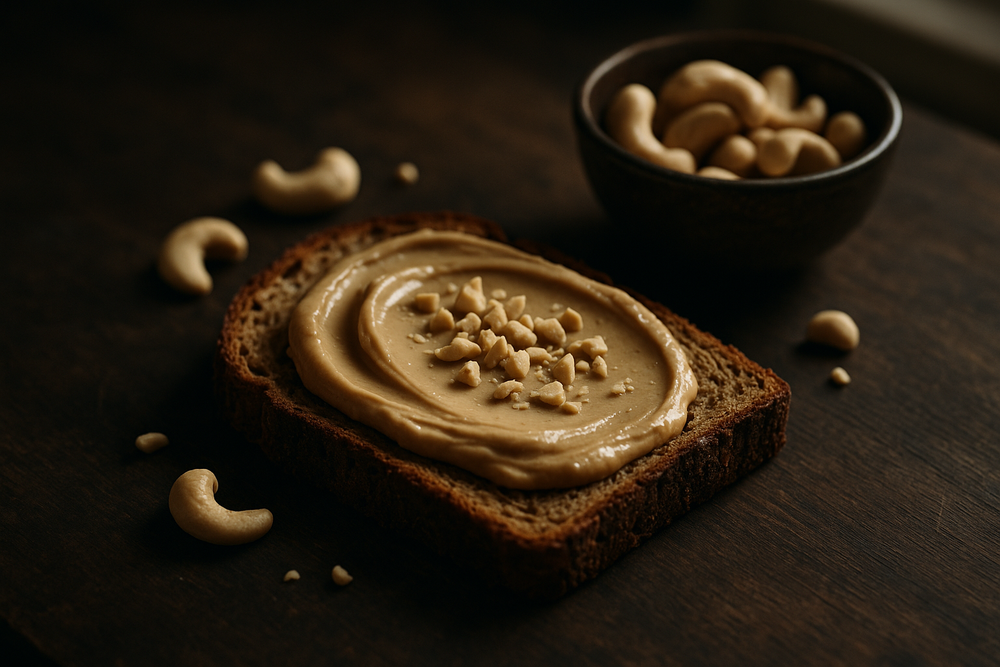
- Digestive Ease: If whole nuts are difficult to digest, try soaking them for 2–4 hours or using a smooth cashew butter.
Conclusion
Cashews offer an impressive nutritional package that may support heart health, provide complete protein, and deliver essential minerals that many people lack. Their unique combination of monounsaturated fats, high-quality protein, and mineral density makes them a valuable addition to most diets.
The evidence suggests moderate, regular consumption (around 1 ounce daily) provides benefits without excessive calories. Choose skin-on varieties when possible for maximum antioxidant content, and always consider your individual tolerance and any allergies. Remember that cashews work best as part of an overall healthy eating pattern rather than as isolated "superfoods."
How Cashews Compares
| Compared with | What's different |
|---|---|
| Cashews vs. Almonds | Lower in fiber and higher in magnesium, providing 20% of your daily value per ounce. |
| Cashews vs. Walnuts | Softer, creamier texture with a higher copper content for collagen synthesis. |
| Cashews vs. Brazil Nuts | Distinctly higher in iron and zinc, though lower in selenium. |
Health Benefits
Things to Know
Allergy Warning: Cashews are a common tree nut allergen. Cross-reactivity with mangoes and pistachios is possible.
Oxalate Content: Cashews are relatively high in oxalates; those with a history of kidney stones should consume them in moderation.
Calorie Density: Because they are energy-dense, sticking to a 1-oz serving is key for those monitoring weight.
Storage: The healthy fats in cashews can go rancid. Store them in a cool, dry place or the refrigerator in an airtight container.
Common Uses
- —Used as a dietary replacement for foods high in saturated fats to improve lipid profiles.
- —Often blended into "creams" or "cheeses" due to their high fat content and buttery texture.
- —Paired with fruit or fiber-rich foods to help stabilize post-meal blood sugar.
- —Consumed to naturally increase intake of copper, which is vital for iron metabolism and immune function.
Best Forms
If available, these offer the highest antioxidant concentration due to the phenolic compounds in the skin.
Most "raw" cashews are steamed to remove toxins; they retain heat-sensitive vitamins better than heavily roasted versions.
A great alternative to oil-roasted nuts, providing a similar nutritional profile without added processed oils.
Ensure it is 100% nuts with no added sugars or hydrogenated oils for maximum benefit.
Prep Ideas
- — Iron Absorption: Pair cashews with Vitamin C-rich foods like strawberries or bell peppers to increase the bioavailability of the iron in the nuts.
- — Complete Meal: Toss cashews into a quinoa salad or oatmeal to enhance the absorption of fat-soluble vitamins (A, D, E, and K).
- — Digestive Ease: If whole nuts are difficult to digest, try soaking them for 2–4 hours or using a smooth cashew butter.
Glossary
Shop This Ingredient
Stock your pantry with quality cashews.
Buy on AmazonAs an Amazon Associate, Plantopedia earns from qualifying purchases. This costs you nothing extra and helps us keep the encyclopedia free.
Frequently Asked Questions
Research suggests that cashews may support heart health through their high content of monounsaturated fats, particularly oleic acid, which accounts for 73.7% of their fat content. They also contain plant sterols, such as β-sitosterol, which may help with cholesterol management. However, more human trials are needed to confirm specific cardiovascular benefits.
Cashews are an excellent source of magnesium, providing a significant portion of daily needs in just a small serving. Magnesium supports over 300 enzymatic reactions in the body and is crucial for bone health, energy metabolism, and nervous system function. It also helps regulate blood pressure and muscle contractions.
A typical serving of cashews is about 1 ounce (28 grams), which equals roughly 23 whole cashews or 1/4 cup. This provides around 155 calories and offers a good balance of protein, healthy fats, and minerals without excessive calories. It is enough to provide significant nutritional benefits without contributing to weight gain.
Both forms offer similar nutritional benefits, but raw cashews may retain slightly more heat-sensitive compounds. Skin-on cashews contain higher levels of phenolic compounds and antioxidants compared to peeled varieties, making them potentially more beneficial for antioxidant intake. Avoid varieties roasted in processed oils or heavily salted to maintain the best health profile.
The balanced macronutrient profile of cashews, including protein, healthy fats, and magnesium, may support blood sugar management. Their protein and fat content can help slow carbohydrate absorption when eaten with higher-carb foods, potentially promoting more stable blood sugar levels. This makes them an excellent snack choice for individuals focused on metabolic health.
While cashews are generally safe for most people, they can cause severe allergic reactions in those with tree nut allergies. People on potassium-restricted diets should consult healthcare providers due to cashews' potassium content. The high calorie density also requires portion awareness for weight management to avoid unintended caloric surplus and weight gain.
Quick Answers
Common questions, answered in a line.
Cashews provide a complete amino acid profile, making them a superior plant-based protein source compared to many other snacks. This high-quality protein makes them particularly valuable for individuals following plant-based diets.
The magnesium in cashews is involved in over 300 enzymatic reactions, including energy production and DNA repair. Regular consumption helps address widespread deficiencies in this essential mineral.
You can increase the bioavailability of the iron in cashews by pairing them with foods rich in Vitamin C, such as strawberries or bell peppers. This combination helps the body better absorb the plant-based iron found in the nuts.
If whole nuts are difficult to digest, try soaking them for 2–4 hours or consuming a smooth cashew butter for greater digestive ease. These methods can help those who find raw or whole cashews tough on their system.
Cashews contain copper and zinc, which are essential minerals for collagen synthesis and maintaining a healthy immune system. These nutrients work together to support skin health and bodily defenses.
Cashews contain oleic acid and beta-sitosterol, which help support heart health and inhibit the absorption of dietary cholesterol. They also provide arginine, a precursor to nitric oxide that supports vascular dilation.
To maximize your antioxidant intake, choose skin-on varieties of cashews when possible. The skins contain beneficial phytates and phenolics that help protect the body against oxidative stress.
Because the healthy fats in cashews can go rancid, they should be stored in an airtight container in a cool, dry place or the refrigerator. Proper storage ensures the nutrients and taste remain intact.
For Readers in the USA
Local context — sourcing, seasonality, and regional notes.
While the U.S. relies on imports for most cashews, they are commercially grown on a small scale in southern Florida, Hawaii, and parts of Puerto Rico. These regions provide the tropical climate and frost-free environment necessary for the cashew tree to thrive and produce fruit.
USDA Organic cashews must be grown without synthetic pesticides or fertilizers and are strictly regulated during the steam-shelling process to ensure no chemical contamination. Look for the USDA Organic seal at retailers like Whole Foods Market or Sprouts for verified organic options.
In the U.S., you can find cashews year-round at major grocery chains like Trader Joe's, Costco, and Kroger, as well as specialty natural food stores. While the nuts are harvested internationally in late winter and spring, modern vacuum-sealing keeps them readily available in all states.
AI Clinical Review
- Cashews are nutrient-dense, providing unsaturated fats (mostly monounsaturated), plant protein, and notable minerals—especially magnesium and copper—in modest portions.
- Replacing foods high in saturated fat with nuts like cashews is linked to better cholesterol profiles and overall cardiometabolic health.
- Pairing cashews with vitamin C–rich foods can improve the absorption of their non-heme iron; storing in airtight, cool conditions helps preserve quality.
- Skin-on and dry-roasted forms can retain beneficial phenolics and improve flavor, though availability varies.
- Protein quality: cashews contain all essential amino acids but are limited in lysine, so they aren’t typically considered a “complete,” high–biological value protein on their own. Think of them as complementary to legumes or grains.
- Compound-specific claims (for oleic acid percentages or phytosterol milligrams) vary by cultivar and processing; benefits are best understood in the context of an overall healthy diet rather than precise single-compound amounts.
- Evidence that cashews uniquely improve blood sugar control or inflammation is mixed and based on small studies; findings are more robust for nut consumption overall.
- Skin-on cashews likely have more antioxidants, but the clinical significance of that difference hasn’t been firmly established.
- Portion guidance: a practical serving is about 1 oz (28 g)—often about 16–18 kernels, depending on size; using weight or 1/4 cup is more reliable than counting pieces.
- Allergies can be severe; cross-reactivity with other Anacardiaceae members (e.g., pistachio, mango) can occur—seek individualized guidance if you have nut allergies.
- Kidney considerations: Cashews are relatively high in oxalates and contain potassium; people with a history of calcium-oxalate stones or on potassium-restricted diets should check with a clinician.
- “Raw” cashews sold commercially are typically steam-processed to remove shell irritants (urushiol). Avoid truly raw, in-shell cashews.
Mention allergy context where appropriate; keep serving size realistic.
References
- USDA FoodData Central - Cashew nutrition data (fdc.nal.usda.gov)
- Nutritional Value and Health Benefits of Cashew Nuts (heraldopenaccess.us)
- Nutrient Composition of Raw, Dry-Roasted, and Skin-On Cashew Nuts (ccsenet.org)
- NIH National Center for Complementary and Integrative Health - Nut safety information (nccih.nih.gov)
- The nutritional and bioactive constituents of cashew apple and nuts (iadns.onlinelibrary.wiley.com)
- American Heart Association - Nuts and heart health guidelines (heart.org)
- Mayo Clinic - Tree nut allergy information (mayoclinic.org)
- Bioactive components of cashew nuts research (ffhdj.com)
Know Your Numbers
Eating healthy is a start. Now get to know your biomarkers.
Food changes bloodwork — inflammation, lipids, blood sugar and nutrient status all respond to what you eat. 59 markers from $59.
- Results in 7–10 days at 2,000+ Quest sites
- Licensed provider reviews every result
- One flat price, no membership, HSA/FSA eligible
Educational information only, not medical advice. Panels are ordered and reviewed through our licensed partner; Plantopedia may earn a commission.
Filed Under
Health Goals This Supports
Related Ingredients
Magnesium-Rich Plant Foods for Sleep
The plant foods that deliver the most magnesium per realistic serving, plus a sober read of what magnesium trials actually show for sleep.
Zinc-Rich Plant Foods
Where zinc actually comes from on a plant-based plate, why absorption is the harder problem than intake, and what zinc does and does not do for immunity.