Is quinoa a complete protein? Learn how its unique lysine and fiber profile outperforms traditional grains for blood sugar management and mu
Plant-based energy base; pair with legumes/vegetables for a complete meal
The Short Answer
Quinoa is a complete plant-based protein because it contains all nine essential amino acids, including lysine, which is typically absent in other grains. One cooked cup provides 8 grams of protein and 5 grams of fiber to support muscle repair and blood sugar

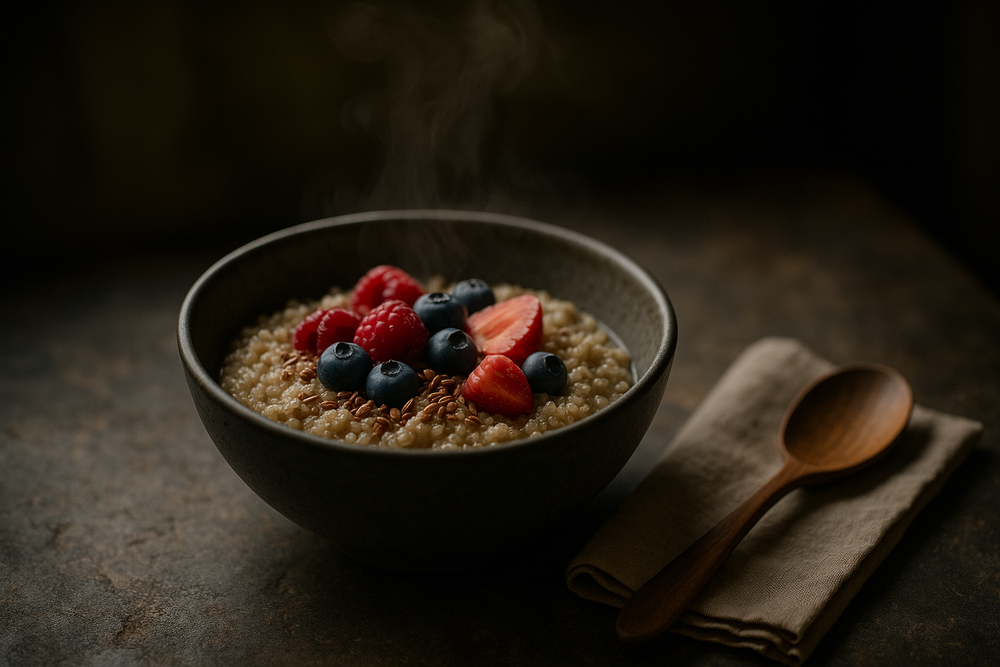
Quinoa · Photograph
Most plants are missing key building blocks, but quinoa is one of the few that provides a complete protein profile. It’s particularly rich in lysine, an amino acid that's usually nonexistent in other grains. While white rice is basically a bowl of sugar, quinoa delivers the fiber, iron, and manganese that your body actually needs to function.
Key Nutrients
% Daily Value based on 2,000 cal diet
Key Takeaways
- 1. One of the rare plant foods containing all nine essential amino acids, including lysine, which is typically missing from true grains like rice or wheat.
- 2. Features a low glycemic index and 5g of fiber per cup, providing sustained energy and preventing the insulin spikes associated with refined starches.
- 3. Delivers 58% of the Daily Value (DV) for Manganese and 15% for Magnesium, which are critical for bone density, enzyme function, and muscle recovery.
- 4. Contains high levels of the flavonoids quercetin and kaempferol, which provide systemic anti-inflammatory support and protect cells from oxidative stress.
- 5. Naturally free of gluten, making it a nutrient-dense, safe alternative for individuals with celiac disease or non-celiac gluten sensitivity.
Why quinoa's health benefits matter for your diet
Most plants are missing key building blocks, but quinoa is one of the few that provides a complete protein profile. It’s particularly rich in lysine, an amino acid that's usually nonexistent in other grains. While white rice is basically a bowl of sugar, quinoa delivers the fiber, iron, and manganese that your body actually needs to function.
Key active compounds in quinoa
The real power of quinoa is in its specialized chemistry:
- Lysine and Methionine: These are the "missing links" in plant protein that quinoa provides in spades.
- Quercetin & Kaempferol: Powerful antioxidants that help your cells resist oxidative damage.
- Flavonoids: Natural chemicals that act as an anti-inflammatory shield for your system.
- Tocopherols: High-grade Vitamin E that keeps your cell membranes stable.
- Quinoa Saponins: The bitter protective coating that needs to be rinsed away to prevent digestive distress.
Conclusion
Quinoa is a nutritional elite because it’s a complete protein that delivers the lysine most plants lack. Its high fiber and manganese content make it a superior alternative to refined grains, specifically for heart health and blood sugar management. It’s the ultimate gluten-free solution for anyone looking to increase their nutrient density without the digestive baggage of wheat.
By properly rinsing away the quinoa saponins, you maximize the bioavailability of its minerals and support your metabolic health long-term. Ultimately, quinoa is one of the few "superfoods" that actually lives up to the hype when you look at the clinical data. Ready to plan balanced meals with quinoa? Try our meal planning tool to create nutritionally complete combinations.
How Quinoa Compares
| Compared with | What's different |
|---|---|
| Quinoa vs. Brown Rice | Quinoa is a complete protein source, whereas brown rice lacks essential amino acids like lysine. |
| Quinoa vs. Couscous | Quinoa has a firmer, bead-like texture and 8g of protein per cup, double that of couscous. |
| Quinoa vs. Millet | Quinoa contains significantly more fiber and minerals like manganese compared to hulled millet. |
Health Benefits
Things to Know
The Saponin Problem: You have to rinse this stuff. Quinoa saponins are bitter and can cause stomach cramps if they aren't washed off.
Scale Up Slowly: If your diet is currently low in fiber, don't start with a giant bowl. Ease into it so your gut can adapt.
Kidney Health: Quinoa is high in potassium and phosphorus. If your kidneys are struggling, watch your serving sizes.
Meds: High fiber can slow down the absorption of your medication. Try to keep them at least 2 hours apart.
Common Uses
- —Used as a high-protein complex carbohydrate to replenish glycogen stores and provide the amino acids necessary for muscle tissue repair.
- —Replaces white rice or pasta in main dishes to improve the meal's fiber-to-carb ratio and maintain steady glucose levels.
- —Prepared as a hot cereal (quinoa porridge) or added to yogurt bowls for a protein-rich start to the day.
- —Ground into flour or used as flakes to add structure and a complete protein profile to gluten-free breads and muffins.
- —Added cold to leafy green salads to increase satiety and provide the "missing" amino acids found in other plant-based ingredients.
Active Compounds
These are the "missing links" in plant protein that quinoa provides in spades.
Powerful antioxidants that help your cells resist oxidative damage.
Natural chemicals that act as an anti-inflammatory shield for your system.
High-grade Vitamin E that keeps your cell membranes stable.
The bitter protective coating that needs to be rinsed away to prevent digestive distress.
Best Forms
The most common. Choose "pre-rinsed" to save yourself a headache.
This increases the bioavailability of its minerals, making the iron and zinc easier for your gut to grab.
Great for a quick breakfast, but they lose some of that satisfying texture.
Perfect for gluten-free baking, though it’s less dense in fiber.
Glossary
Shop This Ingredient
Stock your pantry with quality quinoa.
Buy on AmazonAs an Amazon Associate, Plantopedia earns from qualifying purchases. This costs you nothing extra and helps us keep the encyclopedia free.
Frequently Asked Questions
Yes, quinoa contains every essential amino acid. This makes it a complete protein, which is critical for muscle repair and hormone production. It is high in lysine, an amino acid that most other grains and plant-based foods don't have.
1/2 to 1 cup everyday is ideal for most adults. This portion provides a solid hit of fiber and minerals like manganese. If you aren't used to a high-fiber diet, start with smaller amounts to prevent the bloating often associated with seeds and legumes.
Quinoa can definitely help because the protein and fiber keep you full, reducing the urge to snack. It also helps with blood sugar management, preventing the insulin spikes that cause fat storage. However, it is still energy-dense, so you need to keep your total portion sizes reasonable.
Absolutely. You must rinse it to remove quinoa saponins, which are bitter natural chemicals on the seed's surface. If you skip this step, the seeds will taste like soap and can cause digestive irritation or even stomach cramps, especially for those who already have a sensitive gut or IBS.
Quinoa is an excellent choice for people living with diabetes because of its low glycemic index compared to most grains. The combination of complete protein and fiber slows down how fast sugar enters your blood. It’s a much safer bet for blood sugar management than white rice or refined wheat products.
Quick Answers
Common questions, answered in a line.
Quinoa is a nutritional powerhouse because it provides a complete protein profile, including the "missing link" amino acids lysine and methionine. This makes it a rare exception among plants, which usually lack these key building blocks for muscle repair and bodily function.
Quinoa is exceptionally rich in lysine, an essential amino acid that is almost nonexistent in most other grains. This unique profile, along with its methionine content, ensures your body receives the necessary components for tissue repair that other grains lack.
Quinoa contains several active compounds including the antioxidants quercetin and kaempferol, along with anti-inflammatory flavonoids and tocopherols (Vitamin E). These specialized chemicals help protect your cells from oxidative damage and stabilize cell membranes.
Unlike white rice, which is primarily a source of sugar, quinoa delivers significant amounts of fiber, iron, and manganese. Replacing refined grains with quinoa improves the fiber-to-carb ratio of your meals and supports steadier blood glucose levels.
Quinoa saponins are a bitter, protective coating on the grain that can cause digestive distress or stomach cramps if not washed away. Rinsing the grain thoroughly before cooking removes these saponins and maximizes the bioavailability of the plant's minerals.
People with kidney health concerns should monitor their quinoa intake because the grain is naturally high in potassium and phosphorus. Additionally, those taking medication should space their doses at least two hours apart from quinoa to prevent fiber from slowing absorption.
Quinoa is an ideal gluten-free solution for those looking to increase nutrient density without the digestive baggage often associated with wheat. It can be ground into flour or used as flakes to provide structure and a complete protein profile to gluten-free baked goods.
For Readers in the USA
Local context — sourcing, seasonality, and regional notes.
While most quinoa is imported from South America, the San Luis Valley in Colorado is the primary region for U.S. commercial production due to its high altitude and cool climate. Smaller experimental crops are also grown in the Pacific Northwest and parts of the California coast.
You can find quinoa at nearly all major U.S. grocery chains like Kroger, Walmart, and Whole Foods, typically located in the grain aisle near rice or in the bulk food section. It is also a staple at health food stores and local farmers markets that specialize in ancient grains.
To carry the USDA Organic seal, quinoa must be grown without synthetic fertilizers or prohibited pesticides, and non-organic varieties are often monitored by the FDA for pesticide residue compliance. Checking for the USDA seal ensures the grain meets strict federal production standards.
The three most common varieties found in U.S. markets are white, red, and black quinoa, often sold together as a 'tri-color' or 'rainbow' blend. White quinoa is the mildest and fluffiest, while red and black varieties offer a nuttier flavor and crunchier texture.
AI Clinical Review
- Quinoa is a naturally gluten‑free “pseudocereal” that contains all nine essential amino acids; a cooked cup provides about 8 g of protein and meaningful fiber and minerals compared with refined grains.
- Its fiber, protein, and lower glycemic impact than white rice can support steadier blood sugar and satiety when eaten in appropriate portions.
- Antioxidant compounds (e.g., quercetin, kaempferol) and unsaturated fats are present and plausibly supportive of cardiometabolic health as part of an overall dietary pattern.
- Practical prep advice (thorough rinsing to remove bitter saponins; flexible serving ideas) is accurate and useful.
- Most health claims (heart, inflammation, microbiome) are based on nutrient composition, lab studies, or small human trials; long‑term clinical outcomes data are limited.
- Glycemic benefits can vary by portion size, preparation, and what else is on the plate; quinoa’s glycemic index ranges from low to moderate across studies.
- “Complete protein” describes amino acid profile, but total protein per typical serving is modest and digestibility scores, while good for a plant food, may not equal high‑quality animal proteins.
- Reasonable portions are 1/2–1 cup cooked at a meal; increase gradually if you’re new to higher‑fiber foods, and drink fluids to minimize GI discomfort.
- Rinse well to reduce saponins; soaking/sprouting can further improve taste and may enhance mineral bioavailability.
- For celiac disease, choose certified gluten‑free products to reduce cross‑contact risk.
- People with chronic kidney disease or those advised to limit potassium or phosphorus should discuss suitable portions with their clinician.
- If you take medications affected by fiber, separate quinoa‑containing meals by about 2 hours. Pair non‑heme iron sources like quinoa with vitamin C–rich foods (e.g., citrus, peppers) to support absorption.
For grain products, clarify whole-grain vs refined where relevant.
References
- USDA FoodData Central - Quinoa nutrition data (fdc.nal.usda.gov)
- Harvard T.H. Chan School of Public Health - Quinoa nutrition overview (nutritionsource.hsph.harvard.edu)
- Quinoa nutritional profiles and bioactive compounds review (scijournals.onlinelibrary.wiley.com)
- Complete amino acid analysis of quinoa (auctoresonline.org)
- Quinoa bioactive compounds and health benefits (ffhdj.com)
- NIH National Center for Complementary and Integrative Health - Antioxidant information (nccih.nih.gov)
- Mayo Clinic - Gluten-free diet information (mayoclinic.org)
- Quinoa research progress and biological activity (pubs.acs.org)
Know Your Numbers
Eating healthy is a start. Now get to know your biomarkers.
Food changes bloodwork — inflammation, lipids, blood sugar and nutrient status all respond to what you eat. 59 markers from $59.
- Results in 7–10 days at 2,000+ Quest sites
- Licensed provider reviews every result
- One flat price, no membership, HSA/FSA eligible
Educational information only, not medical advice. Panels are ordered and reviewed through our licensed partner; Plantopedia may earn a commission.
Filed Under
Health Goals This Supports
Related Ingredients
Best Plant-Based Foods for Steady Energy
A practical, evidence-checked look at the plant foods most likely to support steady energy through the day, why the overall eating pattern matters more than any single item, and when persistent fatigue needs a clinician rather than a grocery list.
Blood Sugar and Nighttime Wake-Ups
Waking up in the middle of the night can sometimes relate to blood sugar swings, either a drop (nocturnal hypoglycemia, mainly relevant for people on insulin or certain diabetes medications) or a rebound rise after a low, but this is one of several possible causes, not the most common one for...
Blood Sugar Balance for Beginners
Blood sugar balance means keeping your blood glucose from swinging too high or crashing too low after meals, largely by pairing carbohydrates with fiber, protein, and fat, moving your body regularly, and favoring whole foods over refined ones. For most people without diabetes, this is about...
Foods for Steady Blood Sugar and Better Energy
Fatigue has many possible causes, and diet is only one of them, but a common contributor is the energy dip after a sharp rise and fall in blood sugar following a high-glycemic meal. Foods combining fiber, protein, and healthy fat, such as legumes, whole grains, nuts, and seeds, raise blood...
Foods That Help Avoid the Afternoon Crash
The early-afternoon dip is partly circadian and partly postprandial. You cannot delete the first, but meal size, carbohydrate quality and a short walk change how hard the second lands.
How Blood Sugar Affects Sleep
Blood sugar swings, both up and down, can disrupt sleep through separate mechanisms. A drop in glucose overnight can trigger a stress-hormone response (adrenaline, cortisol, growth hormone) that wakes the body, causes sweating, or produces vivid dreams. Persistently high blood sugar before bed...
How Blood Sugar Swings Can Affect Brain Fog
Large swings in blood sugar, a sharp rise after a high-sugar or refined-carbohydrate meal followed by a steep drop, can plausibly contribute to brain fog, the fuzzy, hard-to-concentrate feeling many people describe. The brain depends on a steady glucose supply, and both rapid drops...
How Late-Night Eating Affects Sleep
Eating close to bedtime can disrupt sleep through at least three pathways: reflux from lying down soon after a meal, a shift in the body's internal clock because food helps set metabolic rhythms, and a sharper blood sugar rise on top of the insulin resistance the body naturally develops each...
How Plant-Based Foods Support Metabolism
What metabolism actually means, how plant-rich eating patterns influence insulin sensitivity and energy intake in trials, a simple starter plate, and the popular claims that do not hold up.
Iron-Rich Plant Foods for Low Energy
Low iron intake or low iron stores can contribute to fatigue, and a small group of plant foods, mainly legumes, pumpkin seeds, tofu, and dark leafy greens, are meaningfully rich in iron. But iron is only one of several causes of low energy, plant (non-heme) iron is absorbed less efficiently than...
Why Ultra-Processed Foods Disrupt Metabolism
Ultra-processed foods are industrial formulations, usually made with five or more ingredients, that combine cheap refined starches, sugars, fats, and protein isolates with additives rarely found in a home kitchen, such as emulsifiers, flavor enhancers, colorings, and non-sugar sweeteners,...
Why You Feel Tired After Eating
Feeling sleepy or foggy after a meal (sometimes called a "food coma" or postprandial fatigue) is extremely common and, on its own, usually not a cause for alarm. It typically reflects a mix of normal digestive physiology, meal size and composition, and how well you slept the night before. But...
Zinc-Rich Plant Foods
Where zinc actually comes from on a plant-based plate, why absorption is the harder problem than intake, and what zinc does and does not do for immunity.