Discover why kiwi fruit is a nutritional standout. From its unique actinidin enzyme for protein digestion to providing 100% of your daily Vi
Fiber + phytonutrients; use as a whole-food sweet, snack, or smoothie base
The Short Answer
Kiwi provides over 100% of your daily Vitamin C requirement in a single serving and contains actinidin, a unique enzyme that helps break down proteins to aid digestion.
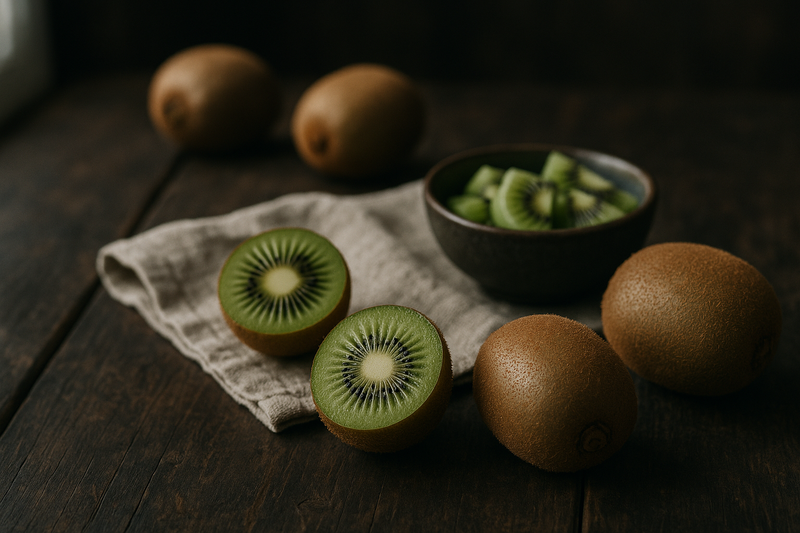
Kiwi · Photograph
Why Kiwi Health Benefits Stand Out Kiwi fruit earns its "superfood" status thanks to its exceptional nutrient density.
Key Nutrients
% Daily Value based on 2,000 cal diet
Why Kiwi Health Benefits Stand Out
Kiwi fruit earns its "superfood" status thanks to its exceptional nutrient density. A single medium kiwi provides over 100% of your daily vitamin C requirement while delivering a unique matrix of fiber, potassium, and actinidin—a protein-digesting enzyme exclusive to this fruit.
Clinical observations indicate that regular kiwi consumption is associated with a 15% reduction in triglyceride levels. The synergy between its high fiber content and rare bioactive compounds makes kiwi effective for both cardiovascular resilience and gastrointestinal health.
Key Active Compounds: The Actinidin Matrix
Several specialized bioactives drive the therapeutic potential of kiwi:
- Actinidin: A powerful proteolytic enzyme that breaks down proteins (from meat, dairy, and legumes), aiding gastric emptying and reducing bloating.
- Polyphenols: Including flavonoids and flavanones that provide robust antioxidant protection.
- Phenolic Acids: Specifically, chlorogenic and quinic acids that modulate inflammatory markers.
- Carotenoids: High levels of lutein and zeaxanthin, which are critical for ocular health and protecting the retina.
- $\beta$-sitosterol: A plant sterol that competes with cholesterol for absorption in the gut.
Conclusion
Kiwi is a nutritional powerhouse that offers significant anti-inflammatory and digestive support. Its unique combination of actinidin, high-density vitamin C, and heart-healthy fiber makes it one of the most functional fruits for daily wellness. Whether you eat it for its protein-digesting enzymes or its ability to lower triglycerides, the health benefits of kiwi are most evident with consistent consumption of 1–2 fruits per day. Ready to incorporate more anti-inflammatory foods into your routine? With our meal planner, you can now create balanced meals that include kiwi and other nutrient-dense whole foods in your diet.
How Kiwi Compares
| Compared with | What's different |
|---|---|
| Kiwi vs. Strawberry | Contains actinidin enzymes to aid protein digestion, whereas strawberries do not. |
| Kiwi vs. Orange | Provides nearly double the Vitamin C and significantly more Vitamin K per 100g. |
| Kiwi vs. Dragon Fruit | Has edible skin and seeds with a tart-sweet flavor, unlike the creamy, tropical pitaya. |
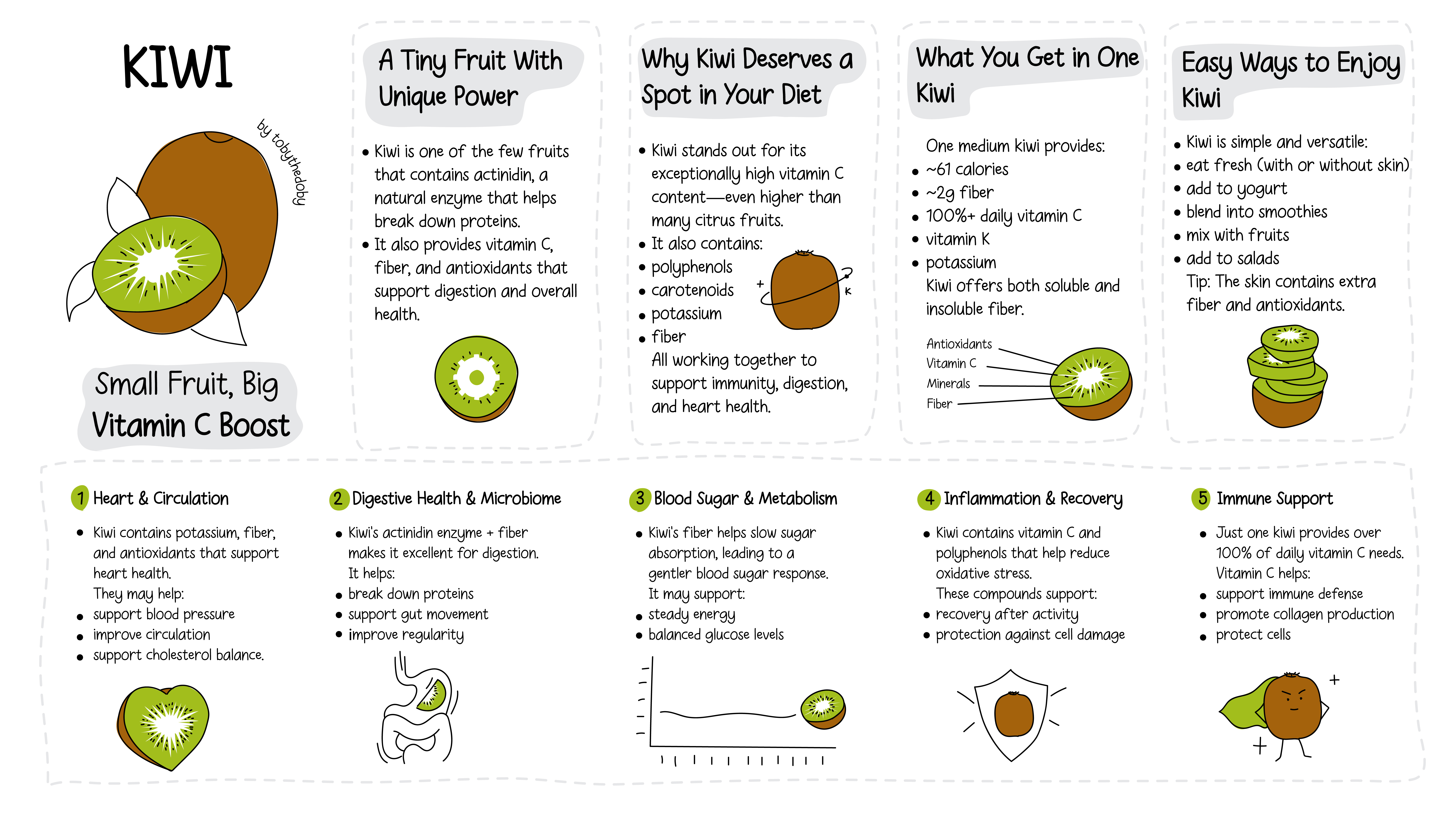
Health Benefits
Things to Know
Oral Sensitivity: The actinidin enzyme can cause a tingling sensation on the tongue or throat. This is a mild form of protein breakdown and is usually harmless unless accompanied by swelling.
Latex-Fruit Syndrome: Individuals with a latex allergy may experience cross-reactivity with kiwi proteins and should consult an allergist.
Blood Thinners: Because kiwi is high in Vitamin K, those on medications like Warfarin should maintain a consistent daily intake to avoid fluctuating blood-clotting times.
Kidney Health: Due to its high potassium content, those with advanced kidney disease (CKD) should monitor their portions.

Common Uses
- —Consuming a kiwi after a high-protein meal (such as steak or beans) to utilize actinidin for faster gastric emptying and reduced bloating.
- —Eating two kiwis per day as a research-backed dietary strategy for maintaining consistent bowel movements.
- —Incorporating kiwi during cold and flu season to maximize bioavailable Vitamin C intake.
- —Adding sliced kiwi to morning meals to provide potassium for blood pressure regulation and Vitamin K for bone health.
- —Using mashed kiwi as a marinade for tough cuts of meat, allowing the actinidin to break down protein fibers naturally before cooking.
- —Eating the kiwi skin and all (especially the smoother-skinned golden variety) to maximize fiber and antioxidant intake.
Glossary
Shop This Ingredient
Stock your pantry with quality kiwi.
Buy on AmazonAs an Amazon Associate, Plantopedia earns from qualifying purchases. This costs you nothing extra and helps us keep the encyclopedia free.
Frequently Asked Questions
Yes. Kiwi contains approximately 93mg of vitamin C per 100g, whereas oranges contain about 53mg. Eating just one large kiwi provides more than your total daily requirement, supporting skin health, collagen synthesis, and immune defense more efficiently than a standard orange.
Absolutely. The fuzzy skin is entirely edible and contains significantly higher concentrations of fiber and antioxidants than the flesh. If the texture bothers you, try a golden kiwi (which has smoother skin) or wash the green kiwi thoroughly to remove some of the fuzz before eating it whole.
This is caused by actinidin, the proteolytic enzyme that breaks down proteins. When you eat kiwi, the enzyme begins to act on the proteins in your mouth and throat, causing a harmless tingling. This sensation is usually stronger in unripe fruit or for people with sensitive oral membranes.
Clinical trials show that eating two kiwis a day can significantly improve bowel regularity. The combination of actinidin (which stimulates motility) and its unique fiber blend (which holds water) makes it an effective, natural remedy for constipation without the harshness of over-the-counter supplements.
For most people, eating 1–2 kiwis daily is safe and highly beneficial for heart health. However, if you are prone to kidney stones or have a history of latex allergies, check with your doctor. Always factor in 14g of carbohydrates when calculating your daily totals if you are managing diabetes.
Quick Answers
Common questions, answered in a line.
Kiwi contains a unique protein-digesting enzyme called actinidin that helps break down dairy, meat, and legumes. This proteolytic enzyme aids in gastric emptying and helps reduce bloating after high-protein meals.
Regular consumption of kiwi is associated with a 15% reduction in triglyceride levels and provides potassium for blood pressure regulation. Its plant sterols, specifically beta-sitosterol, also help by competing with cholesterol for absorption in the gut.
Kiwi is high in the carotenoids lutein and zeaxanthin, which are critical for protecting the retina and maintaining ocular health. These compounds provide essential support for vision and long-term eye wellness.
Individuals with a latex allergy should be cautious, as they may experience cross-reactivity with kiwi proteins known as latex-fruit syndrome. It is recommended to consult an allergist if you have a known latex sensitivity.
Because kiwi is high in Vitamin K, people taking blood thinners like Warfarin should maintain a consistent daily intake. Drastic changes in kiwi consumption can cause fluctuations in blood-clotting times.
Kiwi is a rich source of potassium, which means individuals with advanced kidney disease (CKD) should monitor their portions carefully. Managing potassium intake is essential for maintaining kidney health in these conditions.
The actinidin enzyme in mashed kiwi acts as a natural meat tenderizer by breaking down tough protein fibers. This allows you to soften cuts of meat naturally before cooking them.
For Readers in the USA
Local context — sourcing, seasonality, and regional notes.
California produces approximately 98% of the kiwi grown in the United States, with the harvest season typically running from October through May. During the summer months, U.S. grocery stores primarily stock imported kiwi from New Zealand or Chile to ensure year-round availability.
You can find kiwi at major U.S. retailers like Kroger, Walmart, and Whole Foods, while domestic "Hardy Kiwis" are often sold at farmers markets in the Pacific Northwest. Fresh kiwi is available in the produce section, while organic options are identifiable by the USDA Organic seal.
Native to the U.S. Pacific Northwest and Northeast, "Hardy Kiwis" (kiwiberries) are grape-sized, fuzzless fruits that can be eaten whole without peeling. While the fuzzy Hayward variety is most common, these smooth-skinned regional varieties have gained popularity at specialty U.S. grocers.
AI Clinical Review
- Actinidin Uniqueness: Correctly identifies that actinidin is exclusive to kiwi and is highly effective at breaking down various dietary proteins.
- Vitamin C Concentration: Properly notes the superior Vitamin C density compared to citrus fruits like oranges.
- Water-Holding Fiber: Accurately explains why kiwi fiber is so effective for regularity—it holds water more efficiently than many other fruit fibers, softening stool.
- Lipid Impact: Correctly cites the 15% reduction in triglycerides, which is a significant clinical marker for cardiovascular health.
- Anti-Platelet Effect: Rightly mentions the "aspirin-like" benefit of kiwi on blood thinning and clot prevention.
- DNA Repair Mechanisms: While studies show DNA protection, the specific pathways through which kiwi bioactives might actively repair existing DNA damage in humans are still being explored.
- Golden vs. Green Efficacy: Most digestive research focuses on green kiwi; while golden kiwi has more Vitamin C, its relative efficacy for constipation (due to lower fiber) requires more head-to-head trials.
- Sleep Quality: Some small studies suggest kiwi may improve sleep due to serotonin precursors, but this evidence is not as robust as the data for cherries or pears.
- Asthma Support: Preliminary trials suggest kiwi may reduce wheezing in children, but large-scale pediatric clinical trials are needed to confirm it as a supportive therapy.
- Oral Irritation: The "tingle" caused by actinidin is a localized enzymatic reaction; it should be distinguished from a true food allergy.
- Latex-Fruit Syndrome: This is a critical clinical crossover; patients with latex allergies have a high probability of being sensitive to kiwi.
- Vitamin K & Warfarin: Because kiwi is high in Vitamin K, patients on blood thinners must maintain a consistent intake to avoid interfering with their INR (clotting time) levels.
- Oxalates: Kiwis contain calcium oxalates. Patients with a history of certain types of kidney stones may need to monitor their consumption.
- Ripening Note: To maximize actinidin and Vitamin C, kiwis should be eaten when they give slightly to pressure. Overripe fruit may lose some enzymatic activity.
Frame as food education, not disease treatment.
References
- USDA FoodData Central - Kiwi Nutritional Profile: Standardized data for micronutrient and vitamin concentrations.
- Frontiers in Plant Science - Actinidin and Digestive Health: Research on the enzymatic breakdown of proteins by kiwifruit.
- Nutrients (MDPI) - Kiwifruit and Cardiovascular Risk Factors: A study on the reduction of triglycerides and blood pressure.
- Journal of Nutritional Science - Vitamin C Bioavailability in Kiwi: Clinical comparison of kiwi-derived Vitamin C versus synthetic supplements.
- American Heart Association - Potassium for Blood Pressure Management: Clinical guidelines on using high-potassium fruits for vascular health.
Know Your Numbers
Eating healthy is a start. Now get to know your biomarkers.
Food changes bloodwork — inflammation, lipids, blood sugar and nutrient status all respond to what you eat. 59 markers from $59.
- Results in 7–10 days at 2,000+ Quest sites
- Licensed provider reviews every result
- One flat price, no membership, HSA/FSA eligible
Educational information only, not medical advice. Panels are ordered and reviewed through our licensed partner; Plantopedia may earn a commission.
Filed Under
Health Goals This Supports
Related Ingredients
Best Evening Snacks for Better Sleep
The evening snacks with the most direct clinical trial evidence share a few traits: some natural melatonin or its building block tryptophan, magnesium, and a modest amount of carbohydrate, without the large or fatty meal that can disrupt digestion and sleep instead of helping it. Tart cherries...
Best Low-Bloat Plant-Based Foods
If bloating is a recurring problem, the most consistent evidence points to lowering your total intake of rapidly fermentable carbohydrates (FODMAPs) rather than adding one "de-bloating" food. Whole plant foods like ripe kiwi, oats, well-pressed firm tofu, cooked spinach, less-ripe banana, chia...
Chia Seeds, Flaxseed, and Oats for Constipation
Chia seeds, flaxseed, and oats all relieve occasional constipation, but not through identical routes. Chia forms a thick mucilage gel almost immediately in water and performed as well as psyllium and a standard laxative in a recent clinical trial. Ground flaxseed reduced constipation symptom...
Foods That Help Stool Move More Easily
For constipation, the foods with the best evidence are kiwi and prunes: in randomized trials, two to three kiwi a day or two servings of prunes daily increased weekly bowel movements and softened stool as well as, or better than, psyllium fiber supplements. Pairing fiber-rich foods with enough...
How Fiber Affects Bloating
Fiber can make bloating better or worse, and sometimes both, depending on the type of fiber, the amount, and how quickly you increase it. Fermentable fibers, found in beans, onion, wheat, and many fruits, feed gut bacteria that produce gas as a byproduct, which can stretch the intestine and feel...
Potassium and Blood Pressure Support
Potassium is a mineral that helps the kidneys excrete excess sodium and helps blood vessel walls relax, and diets higher in potassium are associated with modestly lower blood pressure, especially in people with hypertension who eat a typical high-sodium diet. Whole plant foods like banana,...
Vitamin C Foods Beyond Oranges
Oranges are a good vitamin C source but far from the best. A ranked look at everyday foods that outperform them, why they qualify, and how to use them without wasting the vitamin.
What to Avoid Eating Late at Night
A ranked, evidence-weighted look at which late-night foods and drinks are most likely to disrupt sleep, how timing and dose change the answer, and which common restrictions are not worth making.
What to Eat When You Feel Bloated
When bloating hits, eat a smaller, slower meal built around well-cooked, low-gas vegetables (carrots, zucchini, spinach), a portion of lean protein, and a modest amount of rice or oats, and skip carbonated drinks, sugar alcohols, and raw cruciferous vegetables for a few hours. Peppermint tea or...